
Flowers have a unique way of brightening our lives, whether they are given as gifts, grown in a garden, or admired in nature. National Flower Day celebrates this timeless beauty by encouraging people to appreciate flowers and the joy they bring. Observed every year on March 21, this special occasion marks the arrival of spring and reminds us to slow down, enjoy nature, and share kindness through fresh blooms.
More than just a seasonal celebration, National Flower Day highlights the emotional, cultural, and environmental importance of flowers. From colorful spring flowers and beautiful fresh flower bouquets to peaceful walks through botanical gardens, the day inspires people to reconnect with nature. It is also the perfect time to explore flower symbolism, discover seasonal flowers, and celebrate the beauty that surrounds us.
What Is National Flower Day?
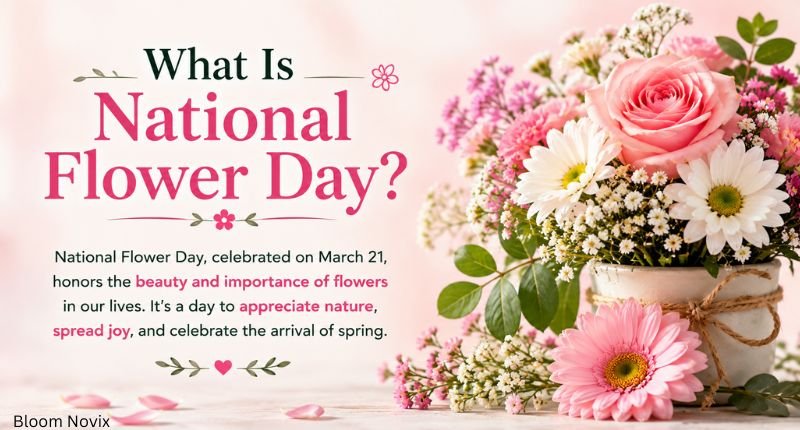
National Flower Day is an annual celebration dedicated to recognizing the beauty, symbolism, and positive impact of flowers. Celebrated on March 21, it coincides with the first day of spring in the Northern Hemisphere. As gardens awaken with colorful blooms, people take time to appreciate nature’s artistry and the happiness flowers bring to everyday life.
The celebration is not limited to giving bouquets. People also enjoy visiting flower festivals, planting garden flowers, supporting a local florist, or simply displaying fresh blooms at home. Whether you enjoy flower photography, gardening, or arranging flowers, this day offers countless ways to celebrate nature.
Definition of National Flower Day
National Flower Day is an annual observance held every March 21 to celebrate flowers, their beauty, and their role in culture, nature, and daily life. It encourages people to appreciate flowering plants, enjoy spring bouquets, and share flowers with others as a gesture of kindness.
Why National Flower Day Is Celebrated
Flowers have always been symbols of love, gratitude, hope, and celebration. This day reminds us to pause and enjoy their beauty while recognizing their importance in pollination, biodiversity, and human wellbeing. It also promotes flower appreciation and encourages people to spend more time outdoors during the beginning of spring.
Why Flowers Are Important in Our Lives
Flowers add beauty to homes, gardens, workplaces, and public spaces. They help pollinators such as bees and butterflies thrive while making our surroundings more colorful. Beyond their appearance, flowers strengthen relationships, improve moods, and help people express emotions when words are not enough.
When Is National Flower Day?
National Flower Day is celebrated every year on March 21, the same day as the spring equinox in many parts of the world. The arrival of spring makes this date especially meaningful because flowers begin blooming, gardens come alive, and nature starts a new cycle of growth.
Although the celebration is most popular in the United States, flower lovers around the world also use the occasion to enjoy spring gardening, visit botanical gardens, and share beautiful floral arrangements with family and friends.
National Flower Day Date
| Event | Date |
| National Flower Day | March 21 |
| Season | Spring |
| Frequency | Every Year |
| Purpose | Celebrate Flowers & Nature |
Why Is It Celebrated on March 21?
March 21 marks the spring equinox, when day and night are nearly equal in length. It symbolizes renewal, growth, and fresh beginnings. As flowers begin blooming naturally, this date perfectly reflects the spirit of the celebration.
Connection With the Spring Equinox
The spring equinox represents balance and new life. Trees produce fresh leaves, gardens fill with colorful flowers, and wildlife becomes more active. Celebrating National Flower Day on this date highlights nature’s annual rebirth and encourages people to enjoy the outdoors.
History of National Flower Day
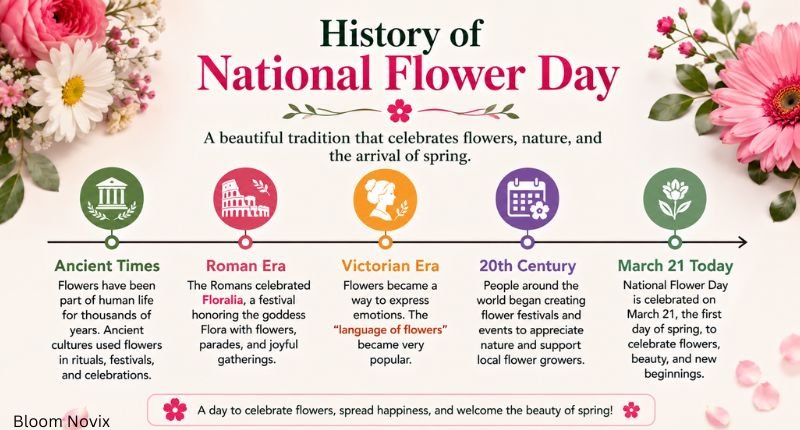
Flowers have played an important role throughout human history. Ancient civilizations used them during festivals, religious ceremonies, weddings, and celebrations. Over time, flowers became symbols of love, peace, friendship, and remembrance, creating traditions that continue today.
Although National Flower Day is a modern observance, it reflects thousands of years of appreciation for flowers. Today, it encourages people to celebrate nature while supporting flower markets, local flower shops, and sustainable gardening practices.
Ancient Flower Traditions
The Egyptians decorated temples and homes with flowers thousands of years ago. Ancient Greeks and Romans used flowers during festivals honoring their gods, while Asian cultures celebrated seasonal blossoms as symbols of renewal and beauty.
The Evolution of Flower Celebrations
Over centuries, flower traditions spread across cultures. The Victorian era introduced the language of flowers, where each bloom carried a special message. Modern flower festivals now celebrate both cultural traditions and environmental awareness.
National Flower Day in Modern Times
Today, National Flower Day focuses on appreciating flowers in everyday life. People purchase fresh flower bouquets, plant wildflowers, create floral gifts, and share the beauty of blooming gardens through social media and community events.
National Flower Day Timeline
The appreciation of flowers has evolved over thousands of years. Here’s a quick look at some important moments.
| Year / Period | Event |
| Ancient Egypt | Flowers used in homes, temples, and ceremonies |
| Ancient Rome | Floralia festival celebrates Flora, goddess of flowers |
| Victorian Era | The language of flowers becomes popular |
| Modern Day | National Flower Day celebrated every March 21 |
Ancient Egypt and Floral Arrangements
Ancient Egyptians decorated their homes, temples, and celebrations with flowers. Lotus flowers were especially important because they represented life, rebirth, and the rising sun.
Roman Floralia Festival
The Romans celebrated Floralia, a lively spring festival honoring Flora, the goddess of flowers. People decorated streets with flowers, enjoyed performances, and welcomed the arrival of spring.
Victorian Language of Flowers
During the Victorian period, flowers became a secret language. Different blooms carried unique meanings, allowing people to express love, friendship, gratitude, or sympathy without speaking.
Modern Recognition of National Flower Day
Today, National Flower Day continues this long tradition by encouraging people to appreciate floral beauty, support local florists, grow flowers at home, and celebrate the positive impact flowers have on our lives.
Read This Article: American Beauty Rose Flower
The Meaning and Symbolism of Flowers
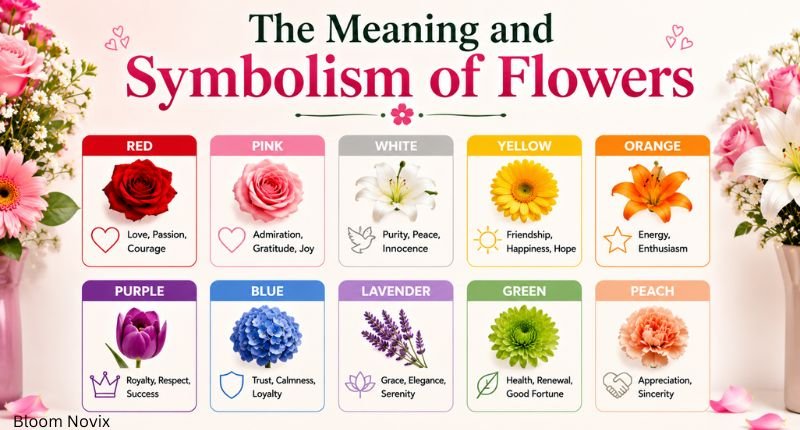
Flowers have carried deep meanings across cultures for thousands of years. They are more than beautiful decorations. Every bloom tells a story and expresses emotions that words often cannot. From weddings and birthdays to memorials and celebrations, flower symbolism helps people communicate love, gratitude, hope, and remembrance naturally.
The meaning of a flower often depends on its type, color, and cultural tradition. Learning flower meanings makes choosing the right bouquet more meaningful. Whether you are giving a fresh flower bouquet or planting garden flowers, understanding their symbolism adds a personal touch to every occasion.
Flowers as Symbols of Love
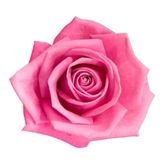
Flowers have always represented love and affection. Red roses are the universal symbol of romance, while pink roses express admiration and appreciation. Tulips and peonies are also popular choices for celebrating love because they represent deep affection and lasting relationships.
Flowers Representing Friendship
Yellow roses, sunflowers, and daisies symbolize friendship, happiness, and loyalty. They are perfect gifts for birthdays, congratulations, or simply showing someone you care. Giving these cheerful blooms can strengthen friendships and brighten someone’s day.
Flowers for Hope and New Beginnings
Spring flowers such as tulips, daffodils, and cherry blossoms symbolize fresh starts and optimism. Their arrival after winter reminds us that every ending creates space for a new beginning, making them ideal gifts during graduations, career milestones, or new homes.
Flowers as a Symbol of Peace and Remembrance
White lilies, orchids, and white roses are commonly associated with peace, purity, and remembrance. These flowers are often chosen for memorial services or moments of reflection because they offer comfort and express heartfelt sympathy.
Popular Flower Meanings
| Flower | Symbolism | Best Occasion |
| Rose | Love & Romance | Anniversary, Valentine’s Day |
| Tulip | New Beginnings | Spring, Graduation |
| Sunflower | Happiness & Positivity | Friendship |
| Lily | Peace & Purity | Sympathy |
| Orchid | Beauty & Luxury | Special Celebrations |
| Daisy | Innocence & Joy | Birthday |
| Ranunculus | Charm & Attraction | Spring Gifts |
Why Flowers Make People Happy (Science Behind Flowers)
Flowers do much more than decorate a room. Scientific research shows that they can improve mood, reduce stress, and encourage positive emotions. Their vibrant colors, pleasant fragrance, and natural beauty create an environment that feels calm and welcoming.
Experts studying science behind flowers and happiness have found that people who regularly keep fresh flowers at home often feel more relaxed and emotionally balanced. Even a simple vase of seasonal flowers can make homes and workplaces feel brighter and more inviting.
Psychological Benefits of Flowers
Flowers naturally attract our attention because humans have evolved to appreciate healthy, colorful environments. Seeing blooming flowers often creates feelings of happiness, comfort, and optimism, making them powerful tools for emotional wellness.
Flowers and Stress Relief
Studies suggest that flowers help reduce daily stress by creating peaceful surroundings. Their natural colors and soft fragrances encourage relaxation, making them popular additions to bedrooms, offices, hospitals, and meditation spaces.
Flowers and Emotional Wellbeing
Receiving flowers often creates genuine feelings of appreciation and connection. Whether celebrating a birthday or offering support during difficult times, flowers strengthen relationships and help people express emotions with kindness.
Scientific Studies on Flowers and Happiness
Several studies have shown positive links between flowers and emotional health.
- Flowers improve mood almost immediately after receiving them.
- People living with flowers often report lower stress levels.
- Fresh flowers encourage creativity and positive thinking.
- Natural environments filled with flowers support better emotional wellbeing.
Benefits of Flowers for Mental Health and Wellbeing
Flowers have become an important part of modern wellness because they encourage relaxation and create a positive atmosphere. Many people use flower wellness practices to improve their homes, offices, and outdoor spaces with colorful blooms.
Whether displayed as floral arrangements or grown in a backyard garden, flowers bring beauty into everyday life. They also encourage mindfulness by helping people slow down and appreciate the present moment.
Flowers Improve Mood
Bright colors naturally lift our spirits. Displaying fresh blooms in your living room or workspace can make everyday environments feel more cheerful and welcoming.
Flowers Reduce Anxiety
Nature has a calming effect on the human mind. Spending time around flowers or caring for them through spring gardening helps reduce anxious thoughts while encouraging relaxation.
Flowers Boost Creativity
Many offices and creative studios decorate their spaces with flowers because natural beauty encourages fresh ideas. Studies suggest colorful surroundings may improve focus, imagination, and productivity.
Flowers in Homes and Workplaces
Flowers create warm, inviting environments wherever they are placed. Homes feel more peaceful, while offices become brighter and more enjoyable places to work. Adding a simple bouquet is an easy way to improve everyday spaces.
Mental Health Benefits of Flowers
| Benefit | How Flowers Help |
| Mood | Bright colors increase happiness |
| Stress | Natural beauty encourages relaxation |
| Creativity | Inspires fresh thinking |
| Productivity | Creates pleasant workspaces |
| Relationships | Encourages thoughtful gifting |
| Mindfulness | Helps people enjoy the present moment |
Best Flowers to Give on National Flower Day
Choosing the right flower makes your gift more meaningful. Different blooms carry unique messages, allowing you to match the flower with the occasion and the person receiving it.
During National Flower Day, many people choose spring bouquets filled with colorful seasonal flowers because they reflect the freshness and beauty of the season. Supporting a local florist also ensures fresher flowers while helping small businesses.
Roses
Roses remain one of the world’s most popular flowers. Red roses symbolize love, while pink, yellow, and white roses express appreciation, friendship, and peace.
Tulips
Tulips represent hope, renewal, and fresh beginnings. Their vibrant colors make them one of the best flowers to celebrate the arrival of spring.
Lilies
Lilies symbolize purity, elegance, and peace. Their graceful appearance makes them suitable for both joyful celebrations and thoughtful moments of remembrance.
Sunflowers
Sunflowers represent positivity, strength, and happiness. Their bright yellow petals instantly create cheerful floral displays.
Orchids
Orchids symbolize beauty, luxury, and admiration. They are long-lasting flowers that make elegant gifts for birthdays, anniversaries, or professional celebrations.
Daisies
Daisies are simple yet meaningful flowers representing innocence, optimism, and loyal friendship. They fit almost every happy occasion.
Ranunculus
Known for their layered petals, ranunculus flowers symbolize charm and attraction. They are among the most popular spring flowers because of their rich colors and elegant appearance.
Flowers That Bloom in March
March marks the beginning of the spring bloom season, making it one of the best times to enjoy colorful flowers. Gardens, parks, and botanical gardens become filled with fresh blossoms that celebrate warmer days ahead.
Choosing flowers that naturally bloom in March also supports sustainable gardening because they thrive in seasonal conditions. These seasonal flowers are ideal for bouquets, gardens, and outdoor landscapes.
Daffodils
Daffodils are among the first flowers to bloom each spring. They symbolize hope, resilience, and new beginnings after winter.
Tulips
Tulips bloom in a wide range of colors and remain one of the most iconic flowers of the spring season.
Hyacinths
Hyacinths are loved for their rich fragrance and vibrant colors. They add beauty to gardens while attracting important pollinators.
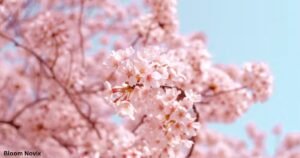
Cherry Blossoms
Cherry blossoms symbolize the beauty of life’s fleeting moments. Their short blooming season reminds us to appreciate nature while it lasts.
Ranunculus
Ranunculus flowers reach peak beauty during spring. Their layered petals make them favorites for weddings, floral arrangements, and elegant bouquets.
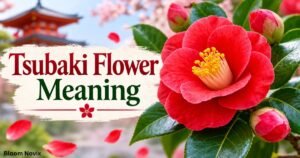
Camellias
Camellias bloom from late winter into early spring. Their large blossoms and glossy leaves make them standout plants in many gardens.
How to Celebrate National Flower Day
Celebrating National Flower Day doesn’t have to be expensive or complicated. The purpose of the day is to appreciate flowers, spend time in nature, and share happiness with others. Whether you buy a fresh flower bouquet, visit a botanical garden, or grow your own blooms, every small gesture makes the celebration meaningful.
This special day is also a great opportunity to support local communities and promote flower appreciation. By choosing seasonal flowers, practicing eco-friendly gardening, or shopping from a local florist, you help protect nature while enjoying the beauty of spring.
Gift Flowers to Someone Special
One of the easiest ways to celebrate National Flower Day is by surprising someone with flowers. A beautiful bouquet can express love, gratitude, friendship, or encouragement without saying a word. Choose flowers that match the occasion and the recipient’s personality for a thoughtful gift.
Visit a Botanical Garden
Spend time exploring a nearby botanical garden or flower park. Walking among colorful blooms allows you to relax, learn about different plant species, and enjoy the peaceful atmosphere that only nature can provide.
Plant Flowers at Home
Celebrate the season by planting garden flowers in your backyard, balcony, or patio. Even a few flowering pots can brighten your home while attracting bees, butterflies, and other helpful pollinators.
Decorate Your Home with Fresh Flowers
Bring the beauty of spring indoors with fresh blooms. Arrange seasonal flowers in decorative vases for your dining table, living room, or office to create a warm and welcoming space.
Support Local Florists
Buying flowers from a local florist helps small businesses and often provides fresher, higher-quality flowers than mass-produced options. Local florists also create beautiful custom floral arrangements for every occasion.
Share Flower Photos on Social Media
Capture the beauty of your favorite flowers and share them online. Whether it’s your home garden, a colorful park, or a handmade bouquet, your photos can inspire others to appreciate nature and celebrate National Flower Day.
Simple Ways to Celebrate
| Activity | Why It Matters |
| Gift flowers | Express love and appreciation |
| Visit a botanical garden | Connect with nature |
| Plant flowers | Support biodiversity |
| Decorate your home | Brighten everyday spaces |
| Buy from a local florist | Support small businesses |
| Share flower photos | Inspire others to celebrate |
National Flower Day Activities
National Flower Day is perfect for people of all ages. Families, schools, couples, and local communities can enjoy simple activities that encourage creativity and appreciation for nature. These experiences create lasting memories while helping people learn more about flowers.
Most activities require little planning, making it easy to celebrate at home, in a park, or at a community event. They also encourage outdoor time, creativity, and stronger relationships through shared experiences.
Fun Activities for Kids
Children can paint flowers, create paper bouquets, grow seeds in small pots, or learn about different flower species. These activities introduce kids to nature while developing creativity and curiosity.
Family Celebration Ideas
Families can visit public gardens, organize a flower picnic, plant colorful flowers together, or arrange bouquets using fresh blooms from a local market. These simple activities strengthen family bonds while enjoying the outdoors.
Romantic Flower Date Ideas
Couples can celebrate with a picnic surrounded by spring flowers, take a peaceful walk through a botanical garden, or exchange meaningful bouquets featuring flowers that symbolize love and new beginnings.
School Flower Projects
Teachers can organize flower identification games, gardening lessons, classroom planting projects, or flower-themed art competitions. These activities help students understand the importance of plants and biodiversity.
Community Flower Events
Many communities host flower festivals, gardening workshops, or neighborhood planting events during spring. Participating in these activities supports environmental awareness while bringing people together.
Explore More: Lotus Flower Season
Flower Gift Ideas for National Flower Day
Flowers remain one of the most meaningful gifts because they suit almost every occasion. Whether you prefer classic bouquets or creative floral presents, there are plenty of ways to surprise someone on National Flower Day.
Choosing gifts that include seasonal flowers or sustainable products makes your present even more thoughtful. Personalized floral gifts also leave lasting memories for the recipient.
Fresh Flower Bouquets
A professionally designed fresh flower bouquet is a timeless gift. Mix roses, tulips, lilies, and daisies to create colorful arrangements suitable for birthdays, anniversaries, or simple acts of kindness.
Flower Subscription Boxes
Flower subscription services deliver fresh flowers every month. They make wonderful gifts for people who enjoy decorating their homes with fresh blooms throughout the year.
Indoor Flowering Plants
Living plants such as orchids, peace lilies, and African violets continue blooming for months with proper care. They provide long-term beauty while improving indoor spaces.
DIY Floral Gifts
Handmade gifts often feel more personal than store-bought items. Create pressed flower bookmarks, floral candles, handmade wreaths, or dried flower frames to celebrate the occasion creatively.
Personalized Flower Arrangements
Ask your local florist to design a bouquet using the recipient’s favorite flowers and colors. Personalized floral gifts make birthdays, anniversaries, and celebrations even more memorable.
Best Flower Gift Ideas
| Gift Idea | Best For |
| Fresh Flower Bouquet | Any celebration |
| Flower Subscription | Flower lovers |
| Indoor Orchid | Home décor |
| DIY Floral Gift | Handmade surprise |
| Personalized Arrangement | Special occasions |
| Flower Basket | Family and friends |
Flower Gardening Tips for Beginners
Growing flowers at home is one of the most rewarding ways to celebrate National Flower Day. Gardening improves outdoor spaces while supporting bees, butterflies, and other important pollinators. Even beginners can grow beautiful flowers with a little planning.
Successful spring gardening begins with choosing flowers that suit your local climate and providing proper care throughout the growing season. Small improvements in soil, watering, and sunlight make a big difference.
Choosing the Right Flowers
Start with flowers that are easy to grow, such as marigolds, sunflowers, zinnias, cosmos, and daisies. These plants require minimal care and bloom beautifully during spring and summer.
Soil Preparation
Healthy soil helps flowers develop strong roots and vibrant blooms. Mix compost or organic matter into the soil before planting to improve nutrients and drainage.
Watering Tips
Water plants deeply during the early morning to reduce evaporation. Avoid overwatering because constantly wet soil can damage roots and reduce flowering.
Sunlight Requirements
Most flowering plants need at least six hours of direct sunlight each day. Always check the growing requirements for each species before planting.
Seasonal Flower Care
Remove faded flowers regularly, apply fertilizer when needed, and protect plants from pests naturally. Routine care encourages longer blooming periods and healthier plants.
Beginner Gardening Checklist
- Choose flowers suitable for your climate.
- Use nutrient-rich, well-drained soil.
- Water consistently but avoid overwatering.
- Provide enough sunlight each day.
- Remove dead flowers to encourage new blooms.
- Watch for pests and diseases regularly.
How Different Countries Celebrate Flower Festivals
Flowers play an important role in cultures around the world. While National Flower Day is mainly observed in the United States, many countries celebrate flowers through colorful festivals and seasonal traditions that highlight the beauty of nature.
These celebrations promote tourism, preserve cultural traditions, and encourage people to appreciate flowers as symbols of life, renewal, and happiness.
United States
In the United States, people celebrate National Flower Day by gifting flowers, visiting botanical gardens, supporting local flower shops, and planting spring flowers in home gardens.
Japan
Japan celebrates the famous cherry blossom season known as Hanami. Families and friends gather beneath blooming cherry trees to enjoy picnics while admiring the short-lived beauty of the blossoms.
Netherlands
The Netherlands is internationally known for its colorful tulip fields and spectacular flower parades. Millions of visitors travel there every spring to experience breathtaking displays of tulips and other blooming flowers.
United Kingdom
Across the United Kingdom, spring flower shows and gardening exhibitions attract visitors each year. Public gardens and historic estates showcase beautiful floral displays throughout the season.
India
India celebrates flowers through religious festivals, temple decorations, weddings, and cultural events. Marigolds, roses, jasmine, and lotus flowers are widely used during celebrations and ceremonies.
Fun Facts About Flowers
Flowers are more than beautiful decorations. They have shaped cultures, inspired artists, and supported nature for millions of years. These amazing facts will make you appreciate every bloom even more on National Flower Day.
Oldest Flower Fossils
Scientists have discovered flower fossils that are around 130 to 140 million years old. These ancient blooms show that flowering plants have existed since the time of dinosaurs. Over millions of years, they spread across the world and became one of the most successful plant groups. Today, angiosperms make up the majority of plant species on Earth.
Fastest Growing Flowers
Some flowers grow at an incredible speed. Sunflowers can grow several inches in just one day under the right conditions. Bamboo grows faster than any flowering plant, although many people mistake it for a tree. Fast-growing flowers bring quick color and life to gardens during the spring bloom season.
Largest Flower in the World
The Rafflesia arnoldii produces the world’s largest single flower. It can grow more than three feet wide and weigh over 20 pounds. Unlike most flowers, it has a strong smell that attracts insects for pollination.
Flowers That Bloom at Night
Not every flower opens during the day. Moonflowers, evening primrose, and night-blooming jasmine bloom after sunset. Their sweet fragrance attracts moths and other nighttime pollinators. These unique flowers create beautiful evening gardens.
Amazing Flower Records
Here are a few incredible flower records:
| Flower Record | Interesting Fact |
| Tallest Sunflower | Over 30 feet tall |
| Largest Flower | Rafflesia arnoldii |
| Smallest Flowering Plant | Wolffia (Watermeal) |
| Oldest Known Rose Bush | More than 1,000 years old |
| National Flower Species | More than 400,000 flowering plant species worldwide |
These amazing facts remind us why flowers continue to inspire gardeners, scientists, and flower lovers around the world.
National Flower Day Quotes
Fresh flowers often inspire kind words and positive thoughts. Share these quotes while you Celebrate National Flower Day with friends and family.
Inspirational Flower Quotes
- “Every flower blooms in its own time.”
- “Flowers remind us that growth begins with patience.”
- “A single flower can brighten an entire day.”
- “Kindness blooms just like a beautiful garden.”
- “Let your dreams blossom like spring flowers.”
Spring Quotes
- “Spring brings new beginnings with every bloom.”
- “The first flowers of spring carry hope for everyone.”
- “Nature paints the world with colorful flowers.”
- “Every blossom tells the story of a fresh start.”
- “Spring is proof that beautiful change is possible.”
Nature Quotes
- “Flowers are nature’s smile.”
- “Every garden grows with love and care.”
- “Nature speaks through every petal.”
- “Flowers make every season more beautiful.”
- “The earth laughs through flowers.”
National Flower Day Wishes and Messages
Sharing thoughtful words is one of the easiest National Flower Day ideas. These wishes fit every relationship and occasion.
Wishes for Friends
- Happy National Flower Day! May your life bloom with happiness and success.
- Wishing you colorful days filled with joy and beautiful memories.
- Hope today’s flowers bring a smile to your face.
- May friendship blossom like a beautiful spring garden.
- Enjoy every fresh bloom this season.
Wishes for Family
- Happy March 21 National Flower Day! Thank you for filling my life with love.
- Wishing our family peace, happiness, and beautiful new beginnings.
- May every flower remind you how special you are.
- Sending warm wishes wrapped in fresh blooms.
- May your home always be filled with flowers and laughter.
Wishes for Coworkers
- Happy National Flower Day! Wishing you success and positivity today.
- Hope fresh flowers brighten your workplace.
- May today inspire creativity and happiness.
- Wishing you a productive day filled with beautiful moments.
- Enjoy the beauty that spring brings.
Social Media Captions
- 🌸 Celebrating the beauty of every bloom today! #NationalFlowerDay
- Flowers make every day brighter. Happy National Flower Day!
- Spring has arrived, and so have beautiful blossoms.
- Stop and smell the flowers today.
- Bloom with kindness and share happiness.
- Every flower tells a story. What’s yours?
- Celebrate nature’s beauty one flower at a time.
Discover More: April Birth Flowers
FAQs
Is National Flower Day an Official Holiday?
No. National Flower Day is not a federal or public holiday. Businesses, schools, and government offices remain open. It is an unofficial observance that encourages people to appreciate flowers, nature, and the arrival of spring.
Why Is National Flower Day Celebrated on March 21?
March 21 usually matches the beginning of the spring equinox in the Northern Hemisphere. This season marks fresh growth, blooming gardens, and longer days. Flowers naturally become the symbol of renewal and hope.
When is National Flower Day?
National Flower Day is celebrated every year on March 21. In National Flower Day 2026, the celebration will also fall on March 21, welcoming spring with colorful blooms and outdoor activities.
How many flowers are sold annually in the U.S.?
Millions of flower bouquets and billions of individual stems are sold in the United States every year. Sales increase during holidays like Valentine’s Day, Mother’s Day, and National Flower Day, as more people enjoy fresh flower bouquets and floral gifts.
What is the most popular flower to gift?
The rose remains the most popular flower worldwide. People also love tulips, lilies, orchids, sunflowers, and daisies because each flower carries a special meaning and suits different occasions.
What do different flower colors symbolize?
| Flower Color | Common Meaning |
| Red | Love, passion, courage |
| Pink | Admiration, gratitude, joy |
| White | Peace, purity, sympathy |
| Yellow | Friendship, happiness, hope |
| Orange | Energy, enthusiasm |
| Purple | Royalty, respect, success |
| Blue | Trust, calmness |
| Lavender | Grace and elegance |
What day is National Give Flowers Day?
Many people use the name “National Give Flowers Day” to refer to March 21 National Flower Day because the celebration encourages sharing flowers with loved ones. However, the official observance is widely recognized as National Flower Day.
Is March 21 a flower day?
Yes. March 21 is widely celebrated as National Flower Day in the United States. It also marks the beginning of spring, making it the perfect time to enjoy blooming flowers.
Why do people give flowers on March 21st?
People give flowers on March 21 to celebrate spring, express appreciation, and spread kindness. Flowers symbolize love, friendship, hope, and new beginnings, making them meaningful gifts for family, friends, neighbors, and coworkers.
Is March 21 National Yellow Flower Day?
No. March 21 is primarily known as National Flower Day. National Yellow Flower Day is celebrated separately in some countries and traditions. The two observances are different, although both encourage sharing flowers.
Conclusion
National Flower Day is more than a celebration of beautiful blooms. It reminds us to appreciate nature, strengthen relationships, and welcome new beginnings with hope. Whether you visit botanical gardens, support a local florist, plant garden flowers, or surprise someone with a fresh flower bouquet, every small act helps spread joy.
Flowers brighten homes, improve emotional well-being, and create lasting memories. Their colors, fragrance, and symbolism connect people across cultures and generations. As spring begins each year, take time to enjoy nature’s beauty and inspire others to do the same. Celebrate National Flower Day by sharing flowers, creating meaningful moments, and letting kindness bloom wherever you go.
BloomNovix is managed by an experienced team of content writers and SEO specialists with 4+ years of expertise in gardening and plant care. We provide well-researched guides, gardening tips, and insights on floral meanings to help plant lovers grow their indoor and outdoor gardens with confidence.
1 thought on “National Flower Day: What It Is, When It’s Celebrated, History, Meaning & Celebration Guide”