At first glance, heliotrope may look like just another small purple flower. But its history is anything but ordinary. For centuries, people have connected this flower with love, loyalty, devotion, and even sorrow. Its habit of turning toward the sun also gave it a special place in old stories and symbolism.
The meaning of heliotrope symbolism goes deeper than simply calling it a flower of eternal love. Its connection to Greek mythology, Victorian flower language, and different colors has given it several layers of meaning over time.
In this guide, we’ll look at what heliotrope represents, where its symbolism comes from, what its colors can mean, and why its connection with the sun became so important. Some of its stories are surprisingly romantic, while others have a much darker side.
Quick Answer
Heliotrope Symbolism centers on devotion, loyalty, and lasting love. The meaning comes from three places working together.
- The flower’s name means “turning toward the sun”
- An ancient myth about a woman named Clytie who never stopped watching the sky
- Victorian writers who turned that myth into a symbol you could send in a bouquet
Here’s what you need to know at a glance:
| Aspect | Detail |
| Core meaning | Devotion, faithfulness, enduring love |
| Origin | Sun-related name + Clytie myth |
| Victorian phrase | “I turn to thee” |
| Common colors | Purple, violet, white, lavender |
| Modern use | Gardens, tattoos, gifts, memorials |
What the Heliotrope Flower Looks Like
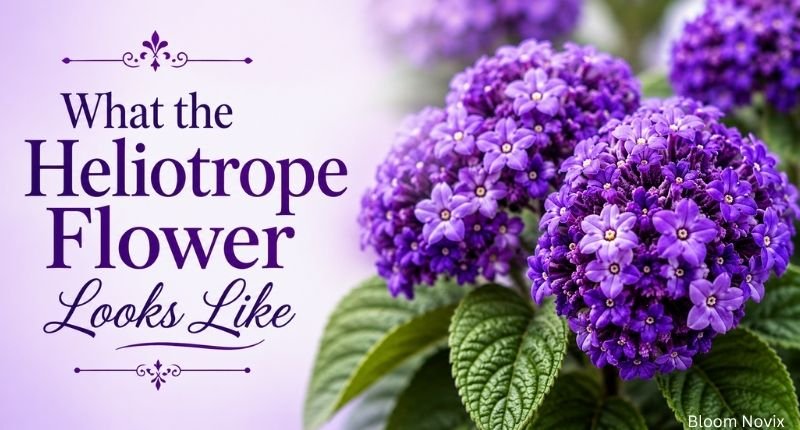
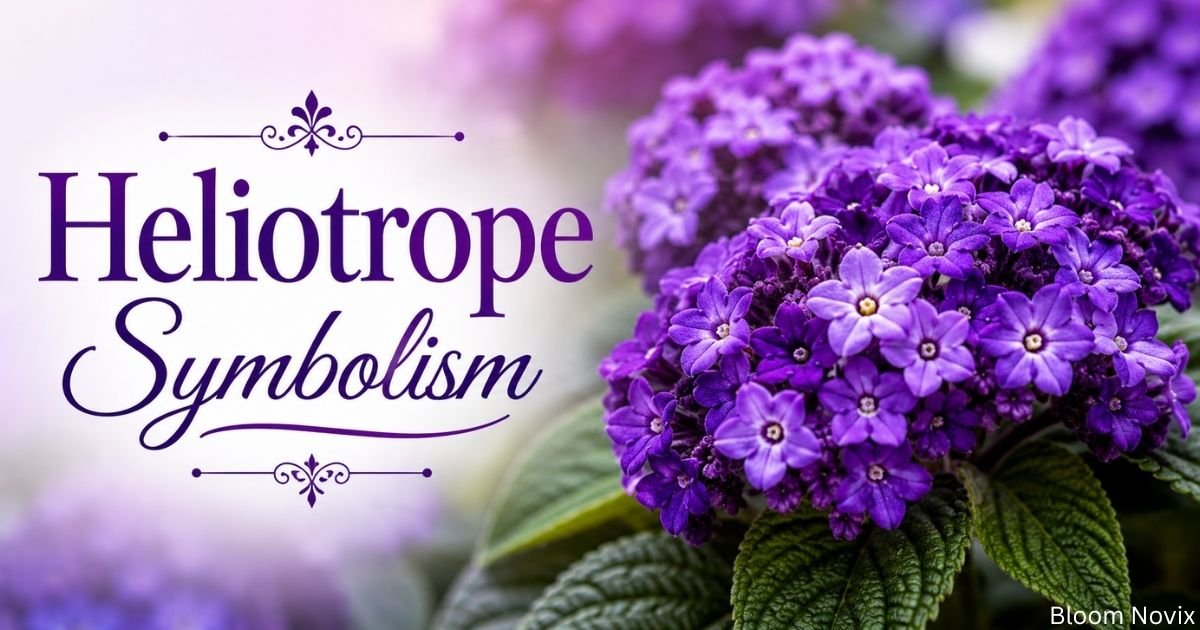
You won’t spot heliotrope from across a garden. Each flower is tiny on its own, but hundreds of them cluster together into a rounded, velvety head that catches your eye fast. Its clustered shape gives it a soft, full appearance, much like other flowers whose structure adds to their visual appeal, including the canna flower.
Look closer and you’ll notice the details that make this plant special:
- Small violet, purple, or blue-violet blooms, sometimes white
- Deep green leaves with visible veins running through them
- A scent people compare to vanilla, cherries, or fresh cherry pie
- A rounded, bushy growth habit that fills out garden beds
That scent earned the plant its nickname, “cherry pie plant.” Gardeners often grow it just for the fragrance alone.
How to Grow Heliotrope (Quick Care Tips)
If you want this symbol growing in your own yard, it’s easier than you think. Follow these basics and you’ll have blooms all summer.
- Plant it in full sun. Heliotrope needs six or more hours of light daily to bloom well.
- Water it consistently. Keep soil moist but never soggy.
- Feed it monthly. A balanced fertilizer keeps flowers coming.
- Treat it as an annual up north. In cold US regions, replant each spring. In warm climates, it survives year-round.
- Space plants properly. Give each one 12 to 18 inches of room to spread.
Grow it near a window or patio. That way, the fragrance reaches you every time you walk by.
What Does Heliotrope Symbolize?
You can sum up the meaning in one word: devotion. But devotion doesn’t only apply to romance. This flower speaks to any bond you refuse to let go of.
Think about what this flower could represent in your own life:
- Romantic love that stays steady through hard seasons
- Friendship built on years of showing up for each other
- Memory of someone you’ve lost but still carry with you
- Personal commitment to a goal, a craft, or a belief
The flower doesn’t demand grand gestures. It represents the quiet decision to keep showing up. That’s what separates heliotrope from flashier flowers like roses. It’s not about a single moment. It’s about the long haul.
Heliotrope Color Meaning
Color changes how a flower speaks. With heliotrope, the shade you choose can shift the feeling behind your message. Just as different flowers carry their own meanings, color can add another layer of emotion—something you can also see in the symbolism of the coneflower. A soft heliotrope shade may feel gentle and thoughtful, while a deeper tone can express something more meaningful.
Purple dominates this plant’s identity, but it’s not the only shade you’ll find. Each color carries its own emotional weight:
- Deep purple: Dignity, seriousness, mature love
- Light lavender: Softness, gentleness, quiet affection
- Blue-violet: Calm loyalty, steady devotion
- White: Sincerity, peace, simple honesty
Choosing the right shade matters more than most people realize. A dark purple bouquet feels formal and weighty. A pale lavender one feels tender and personal. Pick based on the emotion you actually want to send.
Common Heliotrope Flower Colors
Here’s a quick breakdown of the shades you’ll find in most garden centers:
| Color | Emotional Tone | Best Used For |
| Deep purple | Dignity, remembrance | Memorials, formal gifts |
| Lavender | Softness, tenderness | Friendship, casual gifts |
| Blue-violet | Steady loyalty | Anniversaries, long partnerships |
| White | Sincerity, peace | Sympathy, new beginnings |
Why the Flower Became a Symbol of Devotion
The name gives us the first clue. “Heliotrope” comes from Greek words linked to the sun and turning. People once believed the flower followed the sun as it moved across the sky, and that simple idea helped shape its symbolism.
It is easy to see why. A flower that seems to turn toward the same source of light can remind us of someone who stays devoted to one person, one belief, or one goal. Whether the plant actually follows the sun or not, the meaning behind the image is easy to understand.
Over time, writers and poets picked up on this idea and gave heliotrope a deeper emotional meaning. Its connection with the sun became a natural way to talk about loyalty, constancy, and devotion.
Heliotrope in Greek Mythology
Greek and Roman myths often used nature to make sense of human emotions. Heliotrope fits naturally into that tradition. Its story connects the flower with heartbreak, longing, and devotion, turning a sad tale into a lasting piece of symbolism.
It was not unusual for ancient myths to connect people or gods with flowers, trees, or other parts of nature. Stories about Narcissus and Hyacinth, for example, also explain how human experiences became part of the natural world. Heliotrope carries a similar idea, but its connection with the sun gives the story a different meaning.
The flower’s association with turning toward the sun adds another layer to the symbolism. Instead of representing sadness alone, heliotrope can also suggest someone who remains focused on what they love. That is where its connection with loyalty and devotion becomes especially meaningful.
The Myth of Clytie and the Sun
The Roman poet Ovid told this story in his book Metamorphoses, and it still shapes how we read this flower.
Clytie fell in love with Helios, the sun god. He didn’t return her feelings. Instead of moving on, she sat on the ground and watched him travel across the sky every single day. Eventually, she transformed into a flower that kept turning toward him.
This myth gives you two very different lessons:
- Constancy: She never stopped caring, even after rejection
- Obsession: Her fixation never fixed anything, and jealousy drove the whole story
Most modern flower guides only tell you the pretty half. They skip the warning buried inside it. Real devotion should go both ways. Clytie’s story reminds you that loyalty without reciprocation can turn into something painful instead of romantic.
How Victorian Flower Language Shaped Its Meaning
The 1800s changed everything for heliotrope. People during this era loved sending secret messages through flowers instead of words. This practice, called floriography, turned bouquets into coded letters.
Different flower dictionaries disagreed on plenty of meanings back then. But heliotrope stayed consistent across nearly all of them. Writers connected it to:
- Devotion
- Faithfulness
- Devoted attachment
- A phrase close to “I adore you”
That consistency tells you something important. While other flowers shifted meaning depending on which book you read, heliotrope held its ground. People trusted it to say one thing clearly: I’m not going anywhere.
Heliotrope in American Gardens and Culture
Americans did not create heliotrope’s symbolism, but the flower became familiar in American gardens as European flower traditions crossed the Atlantic. During the nineteenth century, heliotrope was grown in parlors, conservatories, and home gardens, where its sweet fragrance and colorful blooms made it a popular choice. This growing interest in flowers also shaped the way Americans appreciated blooms such as the American Beauty Rose, which became closely tied to American flower culture.
Heliotrope also appeared in nursery catalogs of the time, showing that it was more than a flower found in poems and old stories. People were actually growing it in their homes and gardens, which helped keep its place in everyday flower culture.
Today, most people would not look at a bouquet of heliotrope and immediately understand its Victorian message. In a way, that makes the flower even more interesting. Its meaning of devotion feels more personal now, especially when you want to say something heartfelt without reaching for the familiar symbolism of a red rose.
What Does a Purple Heliotrope Symbolize?
Purple flower carries weight in American culture already. It signals dignity, imagination, and a touch of luxury. Combine that with heliotrope’s devotion symbolism, and you get something specific: mature, steady love.
This isn’t the flashy love of a first date. Purple heliotrope suggests a bond that’s been tested and proven. That’s exactly why it works well for:
- Long-term anniversaries
- Memorial arrangements
- Gifts marking years of friendship
- Quiet, private declarations of loyalty
If you want to say “I’ve loved you steadily for years,” purple heliotrope says it better than almost any other flower on the market.
Does Heliotrope Have a Dark Side?
Yes, and this is where the flower gets interesting. Most flower-meaning articles stop at the pretty version. You deserve the full picture.
The Clytie myth plants a real warning inside this symbol. Unwavering devotion isn’t automatically a good thing. Ask yourself these questions when you think about this flower’s deeper meaning:
- Is this loyalty helping both people, or just one?
- Does this attachment respect the other person’s choice?
- Has devotion turned into refusal to accept reality?
Psychologically, heliotrope represents orientation. You naturally organize your life around people and goals that matter to you. That instinct can build a beautiful, stable life. It can also trap you in a one-sided attachment if you’re not paying attention. The flower holds both possibilities at once.
Spiritual Interpretations
Heliotrope doesn’t belong to any major organized religion in America. You won’t find it listed as a biblical flower or a sacred symbol in official texts. Any spiritual meaning you attach to it comes from personal interpretation, not doctrine.
That said, the sun-turning image naturally invites deeper reflection. Many people connect the sun with truth, guidance, or a higher power.
Heliotrope Flower Spiritual Meaning
For personal or spiritual use, heliotrope often represents:
- Staying aligned with your beliefs during hard seasons
- Turning toward truth even when it’s uncomfortable
- Commitment to recovery, healing, or personal growth
- Dedication to a calling that doesn’t come with easy answers
You don’t need religious permission to use this flower this way. Its meaning bends easily toward whatever guiding light matters most in your life.
Heliotrope Symbolism in Christianity
Christianity does not officially recognize heliotrope in the same way it recognizes flowers and plants such as the lily or olive branch. The flower is not mentioned in the Bible, and there is no established church tradition that gives heliotrope a sacred meaning.
That said, some Christians have found a personal connection between heliotrope and faith. Because the flower has long been associated with turning toward the light, it can serve as a simple reminder of turning toward God and staying focused on faith during difficult times. This is a modern interpretation, though, rather than a traditional Christian symbol.
It is worth keeping that distinction clear:
- The Bible does not mention heliotrope by name.
- Heliotrope has no official Christian symbolism.
- Christian meanings attached to the flower today are personal or modern interpretations.
If you are looking for a flower with a stronger biblical connection, the lily or olive branch would be a better choice. Heliotrope is more suitable when you want a personal symbol of faith, hope, or devotion rather than a traditional religious one.
Heliotrope Tattoos and Personal Symbols
People choose heliotrope tattoos for deeply personal reasons. Because this flower isn’t as recognizable as a rose or lotus, the meaning often depends more on your own story than on shared cultural symbolism. Still, flowers carry different meanings across seasons and traditions, and learning about the lotus flower season can add an interesting perspective when exploring how flower meanings change over time.
Heliotrope Symbolism Tattoo Meanings
Most people ink this flower to represent:
- Loyalty to a spouse, parent, or close friend
- Remembrance of someone who has passed away
- Commitment to a personal goal or identity
- A quiet, private symbol only you fully understand
The Clytie myth adds another layer some people choose intentionally. A design might represent releasing an unhealthy attachment instead of celebrating one.
Heliotrope Flower Tattoo Design Ideas
If you’re planning your own design, consider what each detail communicates:
- Bloom facing the sun: Ongoing devotion and direction
- Flower paired with a name or date: Remembrance and memory
- Wilted bloom: Devotion that has ended, followed by moving forward
- New growth beside the flower: Healing after loss or heartbreak
Talk with your tattoo artist about which detail matches your personal story. Small design choices completely change what the tattoo says to you every day.
READ ALSO: National Flower Day
Heliotrope in Jewelry, Decor, and Floral Gifts
Heliotrope works best as a gift when the recipient already understands its meaning, or when you take a moment to explain it. A floral pendant, a botanical print, or an embroidered detail can quietly say “I’m devoted to you” without announcing it to the whole room.
Consider giving heliotrope for these occasions:
- Anniversaries marking years, not months
- Reconciliations after a difficult period
- Long friendships that have stood the test of time
- Memorial gifts honoring someone’s memory
Since most people today don’t recognize this symbolism instantly, pair your gift with a short handwritten note. A single sentence about the flower’s meaning turns a nice gesture into an unforgettable one.
Common Misunderstanding: Heliotrope vs. Sunflower
Here’s a mix-up you’ve probably run into without realizing it. Many retellings claim Clytie transformed into a bright yellow sunflower. It’s a clean, visual story. It’s also historically inaccurate.
Sunflowers come from the Americas. Ancient Mediterranean writers like Ovid had never seen one. He described a transformed flower without naming it specifically, and later European artists attached the sunflower to the story much later on.
There’s a second detail worth knowing:
- The garden heliotrope sold today, Heliotropium arborescens, is South American too
- It’s not necessarily the same flower ancient Romans imagined in their poems
The safest way to understand this myth is simple. Ancient writers imagined a general sun-turning flower. Later generations connected that idea to heliotrope, and even later, to sunflowers.
How the Meaning Evolved Over Time
This symbol didn’t appear overnight. It built up in stages across centuries, and each layer added something new.
- Ancient naming planted the idea of turning toward the sun
- Roman mythology added Clytie’s story of longing and rejection
- Victorian culture reshaped that tragedy into a polite symbol of commitment
- Modern gift-giving stripped away most of the sadness, keeping only the romance
Knowing this full timeline changes how you see the flower. It’s not just a pretty symbol of eternal love. It’s a story about what happens when devotion meets rejection, and how culture eventually softened that pain into something you’d feel comfortable giving as a gift.
Heliotrope vs Other Purple Flowers (Lavender, Violet, Iris)
Purple flowers often get lumped together, but each one carries a distinct message. Knowing the difference helps you pick the right flower for the right moment.
| Flower | Core Meaning | Best Occasion |
| Heliotrope | Devotion, faithfulness | Anniversaries, memorials |
| Lavender | Calm, healing, grace | Relaxation gifts, sympathy |
| Violet | Modesty, innocence | New relationships, birthdays |
| Iris | Wisdom, hope, valor | Encouragement, achievement |
Heliotrope stands apart because it centers on loyalty over time, not a single moment or feeling. If your message is “I’m still here, still committed,” this flower says it better than any other purple bloom on this list.
FAQs
What is the meaning of heliotrope?
Heliotrope means devotion, faithfulness, and lasting love. Heliotrope Symbolism grew from its sun-facing name and a classical myth about loyalty.
Is heliotrope a symbol of eternal love?
Yes, in modern use it often represents eternal love. Victorian writers originally called it “devoted attachment” instead.
What does a purple heliotrope symbolize?
Purple heliotrope represents dignity and mature, tested love. The dark shade adds seriousness to its devotion meaning.
What does the color heliotrope symbolize?
The color heliotrope suggests reflection, dignity, and quiet spirituality. It’s a shade often linked to depth and seriousness.
What is the myth behind the heliotrope flower?
Clytie loved the sun god Helios, who rejected her. She transformed into a flower that kept turning toward him.
Is heliotrope connected to Greek mythology?
Yes, through Ovid’s story of Clytie and Helios. This tale gave the flower its lasting devotion symbolism.
Does heliotrope have a biblical meaning?
No, heliotrope has no official biblical or Christian symbolism. Any spiritual reading of it is a modern, personal interpretation.
What does a heliotrope tattoo mean?
Most commonly, it represents loyalty, remembrance, or dedication. Design details like a wilted bloom can shift the meaning toward moving on.
Is heliotrope symbolism positive or negative?
Mostly positive, centered on loyalty and lasting affection. Its myth adds a darker layer about obsession and unreturned love.
Are heliotropes and sunflowers symbolically the same?
No, they’re different plants with separate histories. Later artwork mistakenly connected Clytie’s myth to sunflowers instead of heliotrope.
Conclusion
Heliotrope Symbolism comes down to something simple: staying devoted, even when there is no need to prove it. The flower’s habit of turning toward the sun makes that meaning feel even more fitting. It reflects a kind of love that is quiet, steady, and still there through changing seasons.
From the story behind its name to the old Victorian meanings attached to it, heliotrope has picked up a lot of symbolism over the years. That is part of what makes this small purple flower so interesting.
So, if you come across heliotrope in a garden, it may be worth taking a second look. There is a lot more behind those tiny blooms than you might expect.

BloomNovix is managed by an experienced team of content writers and SEO specialists with 4+ years of expertise in gardening and plant care. We provide well-researched guides, gardening tips, and insights on floral meanings to help plant lovers grow their indoor and outdoor gardens with confidence.