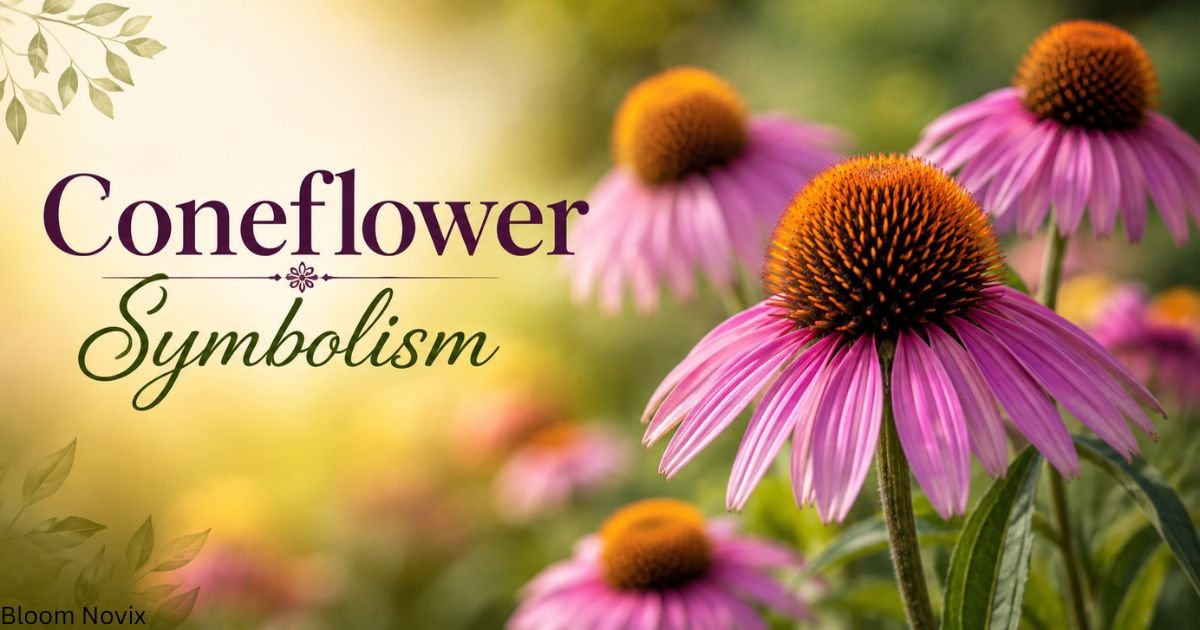
Have you ever seen one flower that continues to bloom in a garden that is otherwise somewhat withered? The coneflower is the flower that is typically that. The coneflower symbolism is possible because the plant will not give up when the soil is dry, and the sun is hot. It’s not just people that plant it for looks. They plant it because it survives, and somewhere along the way the survival began to have more meaning.
Hold on to that flower, for it is not only strong but has more! It’s name suggests a cover-up, its colors change its meaning drastically, and its roots go deep into Native American history, most articles leave out. This is the end of the coneflower you will never look at the same.
Coneflower Symbolism (Quick Answer)
Coneflower symbolism stands for strength, healing, and quiet resilience. This native flower survives harsh weather and still blooms every year. That is why people connect it with recovery, courage, and personal growth. Its spiky center and bold petals also represent protection and natural confidence.
TL;DR
- Coneflower symbolism means strength, healing, and resilience.
- The name “Echinacea” comes from a Greek word for hedgehog.
- Purple coneflowers represent admiration and dignity.
- Yellow and red varieties carry their own unique meanings.
- The flower holds deep roots in Native American plant knowledge.
- Coneflower tattoos often mark personal recovery or growth.
What Is a Coneflower? (Meaning, Appearance & Origin)
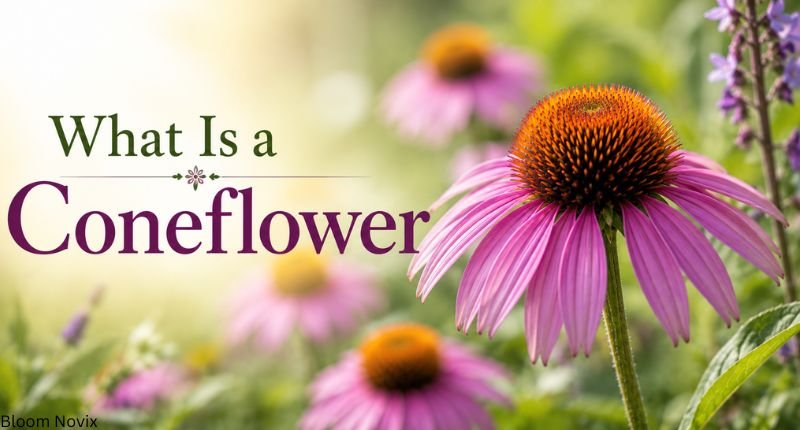
Coneflower is a tough, daisy-like plant that originated in North America. Its petals are elongated and curve to form a spike-like raised center, which gave this flower its name and its assertive appearance.
Coneflowers grow naturally in prairies and meadows, where the weather and soil can be less than ideal. They handle drought, heat, and poor soil well, which is why gardeners often turn to them for reliable color. Their ability to keep blooming through tough conditions also adds to their reputation as a hardy and resilient flower.
This kind of natural toughness is part of what makes the coneflower so interesting. Different flowers have their own stories too, and the begonia flower meaning offers a softer contrast, with symbolism shaped by affection, gratitude, and care.
This quality is not merely a biological attribute; it serves as the foundation for all symbolic meanings associated with the plant. A plant that has survived hardship naturally represents survival.
The Meaning Behind the Name “Echinacea”
Echinacea is the Latin name for “hedgehog” or “sea urchin,” derived from the Greek word “echinos.” It was so named because of its pointed, cone-like center centuries ago.
This fact is more important than most pieces point out. When you give a flower a name that refers to a spiky, defensive animal, it definitely has implications regarding its symbolic representation.
It adds a whole new dimension to your understanding of the coneflower symbolism. It is more than just a flower. It represents something defensive and resilient in nature.
Coneflower Symbolism: What It Represents Overall
At its core, the coneflower represents four main ideas:
- Strength – shown through its ability to survive harsh weather.
- Healing – linked to centuries of traditional herbal use.
- Resilience – proven by its yearly return after winter.
- Natural beauty – seen in its bold shape and vivid colors.
These four themes repeat across every context. Gardens, tattoos, gifts, and artwork all draw from this same emotional core. The flower simply tells one consistent story in different ways.
Ancient Roots and Early Symbolism
Before man-made gardens came into being, the coneflower was growing on its own on native prairies. Communities recognized the strength of the coneflower as well as its utility.
It was associated with life because of its ability to grow where other plants were unable to do so. The association did not happen overnight; it happened over many generations of the coneflower surviving in hard land.
Native American Connections and Cultural Significance
Several Native American communities used Echinacea plants for practical and traditional purposes. This deep relationship shaped much of the flower’s early symbolic value.
The coneflower became linked with wellness, protection, and respect for the land. These associations were not decorative. They came from real, lived knowledge passed down through generations.
Modern use of the coneflower should honor this history. It is more than a symbol. It represents a genuine connection between people and native plants that stretches back centuries.
Healing and Wellness Associations
It has a history of being used in traditional medicines. The history of Echinacea is why coneflowers are considered to represent healing.
People give coneflowers to a sick person as gifts. They say, “keep going, you are healing.”
The symbolism is more sentimental than medical. It conveys a message of hope and comfort, not necessarily of a sure cure. The symbolism is about the human need for renewal.
Why Coneflowers Symbolize Strength and Resilience
The flower can handle changing conditions with surprising ease. Heat, dry spells, and poor soil may slow it down, but they do not stop it from growing.
That quiet toughness makes the coneflower a natural symbol of personal resilience. Many people plant coneflowers as a reminder that growth does not need perfect conditions. Sometimes, simply keeping going is enough.
Its return each year adds another layer to this meaning. It suggests fresh starts, second chances, and the hope that better days can come after a difficult season. Even the way we care for other flowers can reflect this idea; for example, learning about flower food for tulips shows how a little extra care can help blooms stay healthy and beautiful.
Coneflower Colors and Their Individual Meanings
Color changes the emotional tone of any flower. Coneflowers come in several shades, and each one adds a slightly different meaning.
| Color | Core Meaning | Best Used For |
| Purple | Admiration, dignity, strength | Gifts, encouragement |
| Yellow | Joy, optimism, new beginnings | Celebrations, fresh starts |
| Red | Passion, energy, courage | Bold statements, motivation |
| White | Purity, simplicity, peace | Sympathy, calm spaces |
| Orange | Warmth, enthusiasm, confidence | Friendly gestures |
This table shows how one flower can carry many emotional tones. The base meaning of strength stays the same. Only the feeling around it shifts with color.
Purple Coneflower Meaning and Symbolism
Purple flower is the most recognized coneflower color. It naturally represents admiration, dignity, and individuality.
When paired with the flower’s core meaning, purple coneflowers symbolize respected strength. They suggest a person who stays graceful even during hard times.
This is why purple coneflowers appear so often in encouragement gifts. They quietly say, “I admire your strength.”
Yellow Coneflower Meaning and Symbolism
Yellow coneflowers bring a lighter, brighter energy. Yellow is widely tied to happiness and optimism.
Combined with the plant’s resilience, yellow coneflowers symbolize hopeful recovery. They fit moments of fresh starts, new jobs, or personal breakthroughs.
Gardeners often use yellow coneflowers to add cheerful contrast next to purple ones. The mix visually represents balance between calm strength and pure joy.
Red Coneflower Meaning and Symbolism
Red coneflowers carry bold, high-energy symbolism. Red generally represents passion, courage, and intensity.
Paired with the flower’s toughness, red coneflowers symbolize fearless determination. They suit people who face challenges head-on rather than avoiding them.
This variety works well as a motivational gift. It pushes past soft encouragement and leans into bold confidence instead.
Echinacea Spiritual Meaning and Symbolism
Beyond gardens and gifts, many people view Echinacea as a spiritual symbol. Its yearly return connects it with renewal and balance.
Some believe the flower carries protective energy, tied closely to its hedgehog-inspired name. Others see it as a reminder to stay grounded during change.
Spiritually, the coneflower often represents inner armor. It suggests quiet strength that protects without needing to be loud or aggressive.
Coneflower Tattoo Meaning and Popular Designs
Coneflower tattoos have become more popular in recent years. People often choose this design after a major life change, especially when they want a simple reminder of how far they have come.
For some, the tattoo reflects strength, growth, or a fresh start. Others simply like the flower for its natural look and personal connection. If floral meanings are part of the reason behind the design, the cornflower meaning can also offer a different perspective on how a flower can carry a personal message.
Common reasons include:
- Recovering from illness or hardship
- Celebrating personal growth
- Honoring a connection to nature
- Marking a fresh start in life
Because the flower is native to North America, some people also choose it to represent home, family memory, or a love for native landscapes. The design rarely needs bold color to carry meaning. Even a simple black-line coneflower tattoo communicates quiet resilience.
Coneflowers in American Gardens and Landscaping
More than their aesthetic qualities, American gardeners appreciate coneflower because it benefits insects, such as bees, butterflies, and birds.
This association with wildlife brings another meaning to the symbol of the coneflower, which is linked to environmental issues. Growing coneflowers becomes a manifestation of respect to the ecosystem, not simply to one’s taste.
Native plants, including coneflowers, are usually grown in modern sustainable gardens.
Coneflowers in Weddings, Bouquets, and Gifts
Coneflowers fit naturally into rustic and outdoor wedding themes. Their wild, natural shape suits countryside settings better than traditional roses.
As gifts, coneflowers communicate encouragement rather than romance. They work well for:
- Recovery and get-well gifts
- Congratulations on new beginnings
- Simple appreciation gestures
Their meaning focuses on support and admiration, making them ideal for friendships and family relationships.
Coneflower vs Dandelion: Symbolic Differences
Both flowers grow in tough conditions, but their symbolism differs sharply.
| Feature | Coneflower | Dandelion |
| Core Meaning | Strength, healing | Wishes, transformation |
| Growth Style | Deep-rooted, sturdy | Fast-spreading, light |
| Common Symbolism | Endurance, protection | Hope, letting go |
| Typical Use | Gifts, gardens | Wishes, childhood memories |
Coneflowers represent standing firm through hardship. Dandelions represent releasing something and trusting change. Both are resilient, but their emotional messages point in different directions.
Coneflower vs Black-Eyed Susan: Symbolic Differences
These two native flowers often grow side by side, but their meanings are not identical.
| Feature | Coneflower | Black-Eyed Susan |
| Core Meaning | Strength, resilience | Encouragement, justice |
| Shape Focus | Raised spiky cone | Dark flat center |
| Symbolic Tone | Quiet endurance | Cheerful motivation |
| Best Gifted For | Recovery, respect | Support, motivation |
Coneflowers lean toward calm strength. Black-Eyed Susans lean toward energetic encouragement. Choosing between them often depends on the emotional tone you want to express.
Cross-Cultural Views of Coneflower Symbolism
Coneflowers do not carry universal meaning like roses or lilies. Their strongest symbolism comes directly from North America.
Outside the United States, people often see coneflowers simply as attractive garden plants. They lack the centuries-old symbolic weight found in native traditions.
This difference proves an important point. Flower symbolism is shaped by geography and history, not just appearance.
Emotional and Psychological Meaning of Coneflowers
Flowers often say what words sometimes cannot. Coneflowers tend to give off a sense of calm confidence and quiet hope.
Their upright growth can feel like a small reminder to stay open and trust yourself. Since they return year after year, they also reflect patience and the strength to keep going through difficult seasons.
For many people, coneflowers bring a quiet kind of comfort. A single bloom can express encouragement, remembrance, or steady hope. In the same way, flowers can carry different emotions in relationships; for example, exploring the clover meaning in love can show how another simple flower is often connected with affection and lasting feelings.
Coneflowers in Art, Media, and Modern Culture
Coneflowers appear often in botanical art, branding, and wellness-focused content. Their bold shape makes them easy to recognize in illustrations.
On social media, coneflower images often accompany messages about growth and outdoor living. This trend reflects growing interest in native plants and simple, sustainable lifestyles.
Their modern popularity shows how old symbolism can stay relevant in new digital spaces.
Common Misconceptions About Coneflower Symbolism
Many people assume flowers carry one fixed, universal meaning. This is rarely true, and coneflowers are no exception.
Another common mistake is reducing the flower’s meaning to healing alone. While wellness matters, resilience and natural beauty are equally important parts of its symbolism.
A complete understanding requires looking at cultural history, color, and personal context together, not just one isolated fact.
How Coneflower Meaning Has Changed Over Time
Coneflower symbolism started as practical plant knowledge tied to survival. Early communities valued the flower for real, lived reasons.
Over time, this practical respect grew into broader cultural symbolism. Gardens, tattoos, and gifts have added new emotional layers to the original meaning.
Even with these additions, the core idea has never changed. The coneflower still represents strength built through hardship, just as it always has.
Frequently Asked Questions
What does coneflower symbolize?
Coneflower symbolizes strength, healing, and resilience. It represents the ability to survive hardship and bloom again.
Are coneflowers a symbol of healing?
Yes, coneflowers symbolize healing. This meaning comes from centuries of traditional herbal use tied to Echinacea.
What does a coneflower tattoo mean?
A coneflower tattoo usually means personal recovery or growth. Many people choose it after overcoming a hard life event.
What is the spiritual meaning of the coneflower?
The coneflower’s spiritual meaning centers on protection and renewal. Its name and shape both suggest quiet, inner strength.
Why are coneflowers important in American culture?
Coneflowers are important because they are native plants that support pollinators. They also reflect deep Native American plant knowledge.
What do purple coneflowers symbolize?
Purple coneflowers symbolize admiration and respected strength. They combine natural resilience with the dignity linked to purple.
What’s the difference between a cornflower and a coneflower?
Cornflowers and coneflowers are different plants with different meanings. Cornflowers often represent delicacy, while coneflowers represent strength.
What is my birth flower? (Is coneflower a birth flower?)
Coneflower is not an official birth flower. However, many people choose it as a personal symbol regardless of birth month.
Conclusion
Whether grown in the garden or found in the wild, the coneflower symbolism remains the same. It could be a prairie field, a wedding bouquet or a little tattoo on a person’s wrist, but it all leads to the same truth. This flower is resilient and will flower anyway – it’s that quiet stubbornness that people fall for!
Next time you see a coneflower, take a second look at the flowers, but not the petals. This is a name that comes from a hedgehog, a history that dates back to Native American knowledge and a color chart that changes meaning with every hue. Use it as a garden plant, a gift or for your body. Regardless, you are selecting a flower that has experience in reblooming after all the pieces fall into place.

BloomNovix is managed by an experienced team of content writers and SEO specialists with 4+ years of expertise in gardening and plant care. We provide well-researched guides, gardening tips, and insights on floral meanings to help plant lovers grow their indoor and outdoor gardens with confidence.