
Amaranth symbolism is about the wish to be remembered; something that anyone knows. This flower was easy to hold—it didn’t fade, wilt or lose color quickly—and one of those qualities established a language of meaning. It is found in wedding bouquets, memorial wreaths, survival tattoos and food gardens.
This guide takes you through all the layers of meaning. You will discover the origins of the symbolism, the meaning behind each colour, why the plant is mentioned in the Bible and its use by florists and tattoo artists today. Continue reading, since the colour significance section, and the zodiac section are missing information from most guides.
Quick Answer
The amaranth symbolism means immortality, endurance, remembrance and love forever. The name is derived from a Greek word, meaning “unfading,” and the flower retains its shape and colour when dried. This physical strength became a symbol in various cultures of memory, devotion and survival.
TL;DR
- Amaranth means unfading, immortal, and enduring.
- Its Greek root, amarantos, gave the flower its core symbolism.
- Ancient Aztec communities grew it as sacred food, not only as a decorative plant.
- Colonial rulers banned it, yet the crop survived in hidden fields.
- Red varieties often connect to love, grief, or sacrifice.
- Green and gold varieties lean toward renewal and abundance.
- Modern use spans weddings, tattoos, sustainable gardening, and grief support.
What the Amaranth Plant Looks Like
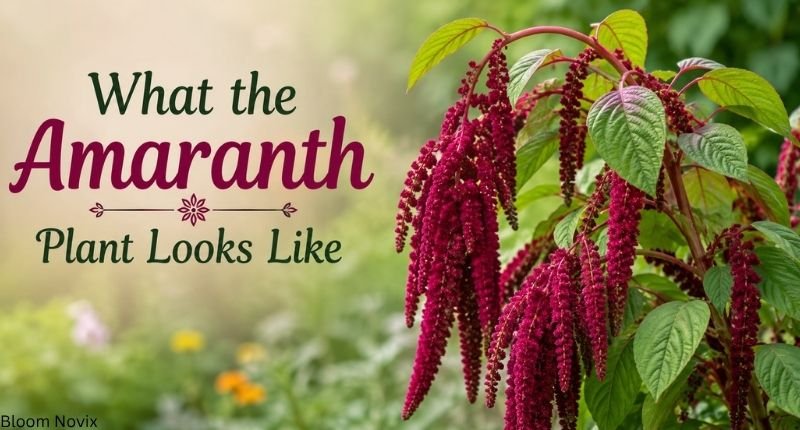
It is interesting that amaranth has several types. While some grow high and have big flame-like inflorescences, others have long ropes of tassels. The most popular of all is Amaranthus caudatus as its red strands resemble long flowing hair or color streams. Similar to candytuft symbolism, amaranth also reflects the deeper meanings and stories that flowers carry across cultures.
The plant can grow from two to eight feet depending on the type and growth conditions. Amaranth usually flowers during mid-summer until the first frost, which makes it good for gardening at the end of summer period. It is rather smooth with velvet-like texture but still somewhat hairy at the bottom of each flower cluster.
The thing that sets this flower apart from other plants is that once it is cut, hung up and dried, the color will change very slightly. This one feature explains why people associated amaranth with permanence rather than just blossoming flower.
Growing Conditions
- Grows in full sun with well-drained soil
- Tolerates heat and drought better than most ornamental flowers
- Several forms – upright, cascading and bushy
- Several colors: deep red, green, gold, pink
While many gardeners see amaranth when it is small and has plain green leaves, in a matter of weeks it develops tall stems and beautiful colored inflorescences, turning into one of the main decorations of the flower bed. Gardeners who work with amaranth in sunny backyard gardens find that this plant grows faster than other flowers and towers above others due to its tall and cascading structure. In mixed flower bed it will catch the attention immediately due to its unusual shape and structure.
Amaranthus Facts: What Makes This Flower Different
Most flowers lose their shape within days. Amaranth does not follow that pattern. The genus Amaranthus includes more than 60 species, and many of them serve double duty as food crops and ornamental plants. That dual identity is rare in the flower world.
Here is what sets it apart from typical garden flowers:
- No true petals. Each tiny flower is petal-free, which is why the plant looks like a cluster of colored beads rather than a traditional bloom.
- Edible leaves and seeds. Several species are grown purely for nutrition, not appearance.
- Fast growth cycle. Amaranth can reach full height within a single growing season.
- Weed relatives. Palmer amaranth, a common agricultural weed, belongs to the same genus but carries none of the ornamental or ceremonial symbolism.
This mix of food crop, ornamental flower, and occasional weed explains why the word “amaranth” means different things depending on who uses it. A gardener, a farmer, and a florist may all picture a completely different plant.
Globe Amaranth Flower Meaning
Globe amaranth, known botanically as Gomphrena globosa, looks nothing like the cascading love-lies-bleeding variety. It grows small, round, clover-like flower heads in purple, pink, red, or white. Despite the different shape, it carries a similar core message: unfading affection. Like other plants with unique meanings, such as monstera meaning, globe amaranth also shows how flowers and plants can represent deeper emotions and symbolism.
This variety is popular in Southeast Asian countries, where it appears in offerings, garlands, and traditional medicine. In the United States, it shows up mostly in dried flower crafts and pollinator gardens because bees and butterflies are drawn to its color.
The meaning shifts slightly from the taller amaranth species:
- Purple globe amaranth – devotion that does not fade with time
- White globe amaranth – purity combined with lasting hope
- Pink globe amaranth – gentle, ongoing affection rather than intense passion
Globe amaranth proves that the “unfading” symbolism is not limited to one plant shape. It belongs to the entire genus.
Core Meanings in Modern American Culture
Interpretation always depends on setting. A grain amaranth plant in a backyard garden sends a very different message than a dried burgundy tassel in a memorial arrangement. Below is a simple breakdown of the most common associations used in the United States today.
| Form or Use | Primary Meaning | Best Occasion |
| Fresh red amaranth | Passion, vitality | Anniversaries, romantic gifts |
| Dried amaranth | Remembrance, legacy | Memorials, keepsakes |
| Grain amaranth | Nourishment, resilience | Community gardens, food projects |
| Love-lies-bleeding | Devotion mixed with sorrow | Grief support, breakup healing |
| Green amaranth | Renewal, continuity | Weddings, new beginnings |
The one idea that ties every use together is continuation. Amaranth rarely represents a short, fleeting moment. It stands for something that keeps going: a memory, a relationship, or a food tradition passed down through generations.
Why “Unfading” Became the Central Symbol
Etymologically, the term “amaranth” derives from the ancient Greek word “amarantos,” meaning “unfading” or “never-wilting.” It is said that Greek authors had used this symbol in their poetry, referring to a mythical flower in paradise that was never wilting. John Milton further adopted this image in his poem “Paradise Lost,” depicting an amaranth by the fountain of immortality.
This literary root shaped how European flower-language books described the plant during the 1800s. Writers assigned it meanings of honor, immortality, and memory that outlives death. None of this came from strict botanical science. It came from language, poetry, and the plant’s visible ability to survive after being cut.
A related word, amaranthine, still appears in modern poetry and literature. It describes something everlasting, such as an amaranthine love or an amaranthine reputation. The word choice alone tells you how deeply this single flower shaped English vocabulary around permanence.
Amaranth Symbolism in the Bible
Amaranth does not appear by name in the Bible. Its connection to scripture comes from later Christian-influenced poetry, not from the original biblical text. However, like heliotrope symbolism, the flower has gained spiritual associations through cultural beliefs and the meanings people have attached to it over generations.
Writers during the Renaissance and beyond borrowed the Greek idea of an unfading flower and placed it inside descriptions of paradise. This created a popular but indirect link between amaranth and eternal life in Christian imagery. Readers sometimes assume the flower has ancient religious authority, but the timeline shows otherwise.
A few points worth remembering:
- The Greek root predates Christian scripture by centuries.
- Milton’s poetic use of amaranth came from classical influence, not scripture.
- Modern sermons or devotionals occasionally use amaranth as a metaphor for eternal life, but this is symbolic, not textual.
If someone tells you amaranth is a biblical flower, the honest answer is that it is a literary flower with a biblical-style theme, not a plant named in the actual text.
Sacred Food and Ritual in Pre-Hispanic Mesoamerica
Long before European flower-language traditions existed, amaranth held a central place in Mesoamerican life. The Aztecs called it huauhtli, and it ranked alongside corn and beans as a staple crop. Communities paid tribute to their rulers using massive quantities of amaranth seed each year.
Popped amaranth seeds were mixed with agave syrup to create a dough called tzoalli. This dough was shaped into figures used in religious ceremonies, then shared among the community as food. The plant connected agriculture, government, and spiritual life into one practice.
- Amaranth leaves appeared in meals honoring deceased ancestors.
- Seeds were both a food source and a form of tax payment.
- Ceremonial use never replaced its role as daily nutrition.
Reducing this history to dramatic ritual stories misses the bigger picture. Amaranth fed families first. Its ceremonial role grew from that everyday importance, not the other way around.
Colonial Suppression and the Meaning of Survival
Since the Spanish invasion, there has been a ban on the production of amaranth in wide areas of Mexico due to its religious significance among the Native Americans. The practice was viewed as an offense that could cost one their life.
The plant did not disappear. Farmers in remote regions kept growing it quietly. Traditions like alegría, a sweet treat made from popped amaranth, survived in Mexican households. In the Andes, related traditions continued under the name kiwicha.
This history gives amaranth a modern meaning tied directly to cultural resilience:
- Growing amaranth today can represent recovery after colonization.
- Eating traditional amaranth dishes can honor ancestral knowledge.
- Seed-saving projects treat the plant as a link to identity, not just food.
This meaning matters most within Indigenous, Mexican American, and Central American communities, where the history is personal rather than abstract.
Love, Loss, and the Name Love-Lies-Bleeding
The nickname love-lies-bleeding shaped how Americans view red, hanging amaranth more than any other factor. The long tassels drip downward like tears or open wounds, giving the plant a naturally emotional appearance.
Older flower-language books split amaranth into two moods. Plain amaranth meant immortality. Love-lies-bleeding leaned toward hopeless love, unreturned devotion, or grief. That split still shapes how people choose the flower today.
Modern meanings include:
- Love that survives distance or separation
- Grief following the loss of a partner
- Devotion that was never fully returned
- Emotional honesty after a painful breakup
Not every interpretation has to feel tragic. Some people see the hanging flowers as a symbol of releasing stored pain rather than carrying it forever. That reading turns the plant into a tool for healing instead of a marker of permanent sorrow.
Amaranthus Caudatus: The Botanical Name Behind Love-Lies-Bleeding
Scientific name for love-lies-bleeding is Amaranthus caudatus. Caudatus, the meaning of which is “tailed,” is derived from the Latin language; it directly refers to this plant’s long and hanging inflorescence. This scientific name makes botanists distinguish this type of amaranth from other upright or globular types.
It is native to South America and has been grown not only for its ornamental beauty but also as grain before arriving at the gardens of Europe and America. Its grain is also edible and rich in nutrients like all other amaranth grains.
Key facts about this species:
- Native range includes Peru, Ecuador, and neighboring regions
- Produces edible seeds in addition to ornamental flowers
- Tassels can grow over a foot long in ideal conditions
- Commonly dyed or dried for use in floral installations
Knowing the exact species matters because “amaranth” as a general term covers plants with very different appearances and meanings. Amaranthus caudatus is specifically the tear-drop, hanging variety tied to the love-lies-bleeding legend.
Amaranth Symbolism in the United States
It is not through any religion or American tradition that most people in America come across the flower. They get to know about it from their gardens, planning for weddings, tattoo studios, or health food shops. Similar to the way people connect with flowers like American Beauty Rose, this everyday experience makes the flower’s significance very flexible and personal.
A gardener can find its survival in the hot summer weather as its significance. For the florist, it could be the dramatic look of the flower. The home chef finds it nutritious as grain.
Amaranth also matches several values common in modern American life:
- Resilience – it grows well under difficult conditions
- Sustainability – it requires less water than many traditional crops
- Individuality – its unusual shape stands out from typical roses or lilies
- Cultural recovery – heritage growers use it to reconnect with ancestral food
This flexibility is exactly why amaranth keeps showing up in new contexts, from wedding arches to sustainable farming projects.
Color Symbolism: Red, Burgundy, Green, and Gold
Color changes the emotional weight of amaranth more than any other factor. The same plant can feel romantic, mournful, or hopeful depending entirely on its shade.
| Color | Core Meaning | Common Setting |
| Red | Passion, sacrifice, intensity | Anniversaries, bold bouquets |
| Burgundy | Maturity, memory, dignity | Formal events, autumn décor |
| Green | Renewal, fertility, balance | Weddings, spring arrangements |
| Gold | Harvest, achievement, honor | Fall celebrations, milestones |
Red amaranth carries the strongest emotional charge. It can suggest love, courage, or even sacrifice, and its link to love-lies-bleeding often pulls the meaning toward heartbreak rather than joy.
Burgundy and purple shades feel calmer and more reflective. They suit memorial pieces and formal settings where a loud red would feel out of place.
Green amaranth softens the mood entirely. It points toward growth and partnership, which is why designers often choose it for wedding installations meant to celebrate a relationship still developing.
Gold and bronze varieties connect immortality with honor instead of loss. They work well for celebrating achievements, retirements, or long careers.
Fresh vs Dried vs Preserved Amaranth
Buyers often assume these three terms mean the same thing. They do not, and the difference affects both cost and symbolism.
| Type | Lifespan | Best Use | Symbolic Weight |
| Fresh | 5–10 days | Weddings, events | Active, living emotion |
| Dried | Months to years | Home décor, keepsakes | Memory, permanence |
| Preserved | 1–3 years | Gifts, long-term arrangements | Balance of realism and lasting form |
Fresh amaranth keeps its full color and flexibility but wilts within days, making it best for events with a fixed date.
Dried amaranth loses some vibrancy but gains true permanence. It becomes brittle over time, which limits its use in items that get handled often.
Preserved amaranth goes through a glycerin-based process that keeps the stems soft and the color rich for years. This option costs more but suits gifts meant to last far beyond a single occasion.
Many growers who dry their own amaranth notice that it holds its shape better than most other dried flowers, as long as it stays out of direct sunlight. During late summer, growers often observe that mature plants become fuller, with heavier flower heads and richer color compared to their early growth stage — a good sign that the stems are ready for cutting and drying.
Why Florists Use Amaranth in Bouquets
Florists reach for amaranth when a bouquet needs movement. Its trailing form spills over the edges of an arrangement in a way that stiff, upright flowers cannot copy. That single visual trait explains most of its popularity in modern floral design.
Beyond appearance, florists value it for practical reasons:
- Long vase life compared to delicate blooms
- Strong stems that hold shape in large installations
- Wide color range that blends with almost any palette
- Works equally well in fresh, dried, or preserved form
Designers also use it to add contrast. Round flowers like peonies or roses look softer when paired against amaranth’s sharp, cascading lines. This contrast creates depth in a bouquet without adding extra flower types. People who work with cut flowers often notice that amaranth’s drooping clusters bring a dramatic, natural movement to an arrangement that few other stems can match.
Read Also: 20 Amazing Blue Flowers and Their Meanings: Symbolism & Care Tips
Weddings, Memorials, and Personal Milestones
At weddings, amaranth usually signals lasting commitment. Its trailing shape suits bouquets designed to feel abundant, dramatic, or slightly wild rather than neat and traditional.
Color choice shifts the message. Green suits a couple focused on growth together. Burgundy suggests mature, steady devotion. Red creates a bolder, more passionate statement, though couples aware of the love-lies-bleeding history sometimes choose to explain their intended meaning during the ceremony.
In memorials, dried or dark amaranth represents memory that stays present. It fits well in:
- Keepsake wreaths
- Shadow boxes
- Anniversary-of-loss displays
- Grave arrangements
Beyond romance and grief, amaranth also marks quieter milestones: recovering from illness, finishing a long personal project, or rebuilding life after a major change. The flower works best when its meaning connects to a real, specific story rather than a generic “spiritual” label.
Arrangement Ideas That Pair Perfectly With Amaranth
Amaranth rarely stands alone in a bouquet. Its trailing shape works best when paired with flowers that offer contrast in form or texture.
Strong pairings include:
- Garden roses – round shapes balance amaranth’s sharp lines
- Eucalyptus – adds cool green tone and soft texture
- Dahlias – bold color that matches amaranth’s intensity
- Baby’s breath – lightens a heavy, dramatic arrangement
- Ranunculus – layered petals contrast with amaranth’s beaded texture
For a minimalist look, pair a single trailing amaranth stem with greenery and one focal flower. For a maximalist installation, combine several amaranth colors with seasonal blooms to create depth and movement across a large arch or centerpiece.
Tattoos, Jewelry, Fashion, and Digital Art
An amaranth tattoo usually represents endurance, remembrance, or devotion that survived hardship. The chosen shape changes the message as much as the color does.
- Upright plumes resemble flames, suggesting ambition or renewed strength.
- Hanging tassels create an emotional, flowing design, especially in red ink.
- Seed heads can represent abundance or future generations.
Many people combine amaranth with names, dates, or family symbols to make the tattoo personal rather than generic. A design showing new leaves growing from a dried stem often signals continuation after a difficult period.
In jewelry, long dangling earrings copy the plant’s trailing shape. In fashion, burgundy fabric borrows the color’s name to suggest warmth and richness. Digital artists use amaranth in fantasy settings because its literary link to immortality fits naturally into stories about eternal kingdoms or lasting magic.
Is Amaranth Tied to a Zodiac Sign or Birth Month?
Amaranth does not appear on the standard birth flower calendar used in the United States, and no major astrology tradition assigns it to a specific zodiac sign. This surprises many readers, since so many other symbolic flowers carry a strict monthly or astrological link.
Instead, its “assignment” tends to be personal rather than traditional. Some modern flower guides loosely connect amaranth to Scorpio, based on shared themes of intensity, transformation, and endurance. This connection is informal and not part of any historic astrological system.
- No official birth-month status exists for amaranth.
- Any zodiac pairing found online is modern and unofficial.
- People often choose it based on personal meaning rather than a calendar.
If a source claims amaranth has a fixed zodiac sign, treat that claim as a modern interpretation, not an ancient rule.
Cross-Cultural Meanings Without Oversimplification
Amaranth does not carry one universal meaning across every culture that grows it. Treating it that way flattens real, distinct histories into a single myth.
- Greek tradition gave the plant its “unfading” identity through language and poetry.
- European literature expanded that idea into immortality and remembrance.
- Mesoamerican history built meaning through sacred food, tribute, and ceremony.
- Andean tradition continues through kiwicha as a food staple with cultural weight.
Claiming that “every ancient culture believed amaranth granted immortality” is inaccurate. Similar themes appeared independently in different regions, but shared symbolism does not prove shared belief systems. Respecting these separate histories gives the flower more depth than blending them into one simplified legend.
Common Misunderstandings and Modern Misuse
A few mistakes repeat across articles and social media posts about amaranth. Clearing them up helps readers use the symbolism responsibly.
- Assuming all amaranth looks the same. The genus includes grain crops, ornamental flowers, and agricultural weeds like Palmer amaranth, which carries no ceremonial meaning at all.
- Overdramatizing Aztec history. Many posts focus only on ritual sacrifice while ignoring the plant’s daily role as food.
- Promising magical outcomes. Amaranth does not guarantee protection, healing, or eternal love in any scientific sense.
- Assuming every red amaranth is love-lies-bleeding. Several red varieties exist that carry no connection to that specific nickname.
Symbolic meaning should guide personal choice, not dictate outcomes. Giving someone amaranth does not predict heartbreak, and choosing it for a wedding does not carry hidden bad luck.
FAQs
Is amaranth a positive or negative symbol?
Amaranth is mostly positive, representing endurance and lasting memory. Red love-lies-bleeding can carry a sadder tone tied to grief or heartbreak.
What is the spiritual meaning of the amaranth flower?
Its spiritual meaning centers on immortality and unfading devotion. This comes from the Greek word amarantos, meaning “does not wither.”
Why is amaranth associated with immortality?
The flower keeps its shape and color long after being cut and dried. That physical durability inspired centuries of poetic and literary comparisons to eternal life.
What does amaranth mean in love?
It represents love that survives distance, time, or hardship. Love-lies-bleeding adds a layer of heartbreak or unreturned devotion to that meaning.
Does amaranth have a biblical meaning?
Amaranth is not named directly in the Bible. Its “paradise flower” association comes from later Christian-influenced poetry, not scripture itself.
What does an amaranth tattoo mean?
It usually symbolizes survival, remembrance, or a bond that outlasted difficulty. Hanging red designs lean more emotional than upright ones.
Is amaranth appropriate for a wedding?
Yes, green, gold, and burgundy amaranth are common in modern bridal design. They represent abundance, growth, and lasting commitment.
What flower means “I love you secretly”?
That specific meaning usually belongs to the acacia flower, not amaranth. Amaranth’s closest emotional overlap is unreturned love through the love-lies-bleeding variety, not secrecy.
Conclusion
Amaranth symbolism brings together several distinct ideas that deserve to stay connected rather than blurred into one vague legend. Its long-lasting flowers built a reputation for immortality and remembrance. Its seeds carried entire communities through centuries of hardship. Its survival through colonial suppression added a modern layer of cultural resilience that still matters today.
In daily American life, this flower can mark a wedding, honor someone who has passed, or celebrate a personal recovery. Choosing amaranth works best when the color, form, and occasion actually match the story behind the gift. The plant does not promise a life without change. It simply proves that something can keep growing, feeding others, and staying worth remembering long after the moment has passed.

BloomNovix is managed by an experienced team of content writers and SEO specialists with 4+ years of expertise in gardening and plant care. We provide well-researched guides, gardening tips, and insights on floral meanings to help plant lovers grow their indoor and outdoor gardens with confidence.




1 thought on “Amaranth Symbolism: Meaning, History & Bittersweet Love”