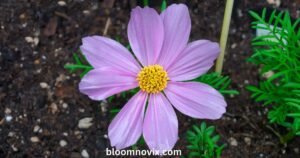
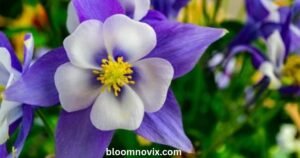
Picture a quiet meadow at sunrise. Soft color spreads across the grass like spilled watercolor. Pink wildflowers turn that picture into real life, and they grow in far more places than most people expect. One slow walk can show you a dozen different kinds.
But how do you tell them apart? Many look alike, and some are rare, toxic, or even invasive. This guide gives you names, bloom times, and easy ID clues. Read on, and you will spot every wild pink flower with confidence.
What Are Pink Wildflowers?
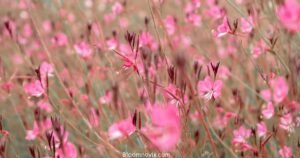
Pink wild flowers can be found in meadows, woodlands, marshes and along country roads. They have pink or pale pink petals. They can be dispersed by wind, birds and insects.
Some pink wild flowers in the UK are native and others are naturalised. Native pink wild flowers have developed in a certain area in the UK over many years. Naturalised pink wild flowers have come from other continents. Knowing which type of pink wild flower you have will help you know which ones to protect and plant.
Pink annual wild flowers only live for one season. As they do not live for many years, they rely on seeds to reappear. Pink perennial wild flowers are able to regrow each year from the same roots.
Why Are Wildflowers Pink? (Pigments and Pollinator Attraction)
The pink colour is caused by pigments in the cells of the petals. The concentration of these pigments (anthocyanins) can vary depending on genetic make up and environmental factors so many different shades can be found within the same species.
The colour can also be altered by environmental factors. Cold nights can cause a darker pink while intense sunlight can cause the petals to fade to a pale pink. Therefore, two flowers of the same species on different sides of a hill may differ in colour.
The colour attracts pollinators. Many pink flowers have lines or spots to guide pollinating bees to the nectar. This means pollination occurs quickly in these plants.
Popular Types of Pink Wildflowers with Names
Hundreds of species wear pink, but a handful appear again and again. You will meet them in fields, on trails, and in native gardens. Learn these first, and many others will start to look familiar. Each one below also works well in a garden.
Some are tall pink wildflowers that tower over grass. Others are small pink wildflowers that hide at your feet. Height is a quick clue when you try to name a bloom. The table below shows ten favorites at a glance.
| Common Name | Scientific Name | Bloom Time | Height | Habitat |
| Wild Geranium | Geranium maculatum | April to June | 1–2 ft | Woodlands |
| Pink Evening Primrose | Oenothera speciosa | May to July | 1–2 ft | Prairies, roadsides |
| Fireweed | Chamaenerion angustifolium | June to September | 3–6 ft | Burned or cleared land |
| Wild Bergamot | Monarda fistulosa | June to August | 2–4 ft | Prairies, fields |
| Swamp Milkweed | Asclepias incarnata | June to August | 3–5 ft | Wet meadows |
| Joe-Pye Weed | Eutrochium purpureum | July to September | 4–7 ft | Moist woods, edges |
| Pink Coneflower | Echinacea purpurea | June to September | 2–4 ft | Prairies, open woods |
| Wild Rose | Rosa carolina | May to July | 1–3 ft | Fields, forest edges |
| Deptford Pink | Dianthus armeria | June to August | 1–2 ft | Dry fields |
| Musk Mallow | Malva moschata | June to September | 1–3 ft | Meadows, roadsides |
Pink Wildflowers That Bloom in Spring
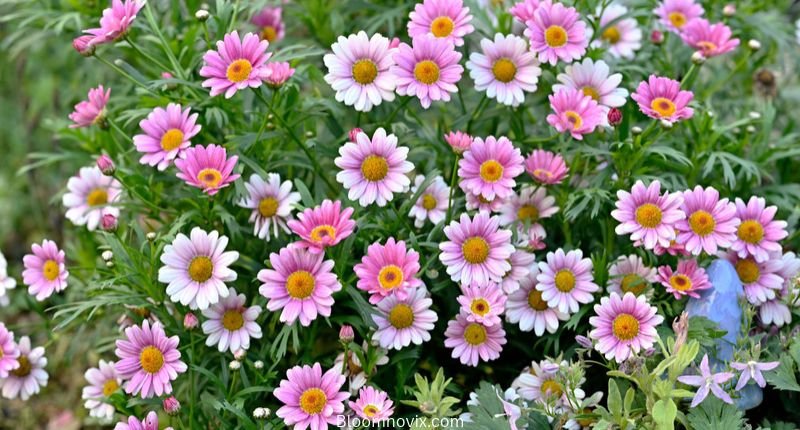
Wild Geranium (April-June)
The 5 rounded pink/lavender petals on this plant bloom in woodland areas in Spring. The deeply lobed leaves below attract bees all day.
Spring Beauty
Tiny flowers, with pale pink to white petals with darker pink veins. These can be found in forests in Early Spring. Be sure to look for these before the trees produce leaves.
Other spring flowers include:
Prairie Smoke: This sways in the wind with pink buds, and then produces fluffy pink flowers. Pink Lady Slipper: Blooms in acidic woodlands in May/June. Creeping Phlox: Covers rocky slopes with bright pink flowers.
Read Also: 25 Flowers & Wildflowers and Their Meanings
Pink Wildflowers That Bloom in Summer and Fall
Pink evening primrose and pink coneflower bloom in late spring to summer. The coneflower produces daisy-like flowers with coppery orange centres. Both thrive in hot weather.
Wild bergamot and milkweed grow in meadows during mid-summer. Wild bergamot has fluffy lavender/pink flowerheads while milkweed has fragrant clusters of pink flowers. Both attract butterflies.
During late summer to autumn, Joe-Pye weed and obedient plant can be seen. Joe-Pye weed grows up to 7ft tall, and has fluffy pink/mauve spherical flowers. Obedient plant has spiky stems of pink/lavender flowers. Fireweed brightens up northern meadows during late summer.
Rare and Endangered Pink Wildflowers
Some pink plants are very rare. Due to habitat loss, construction and over-collection, the numbers of swamp pink have declined. This plant, which produces a pink spiky flower, is protected at a federal level in the USA as the wetland habitats it lives in are disappearing.
Pink lady’s slipper is also very delicate. This orchid requires a specific fungus in the soil to survive. If dug up by gardeners, this plant is almost certainly lost. The showy lady’s slipper, which has pink and white flowers, is protected in several states.
What to do? Do not dig up, pick or move any rare plants. Simply take photographs. Make sure to check local laws, and find out which plants grow in your area using the list from your local native plant society.
How to Identify Pink Wildflowers (Petals, Leaves, Habitat)
Start with the flower shape. Count the petals and look at the center. Notice if blooms grow alone, in spikes, or in clusters. Take clear pictures from above and from the side.
Next, study the leaves and stem. Are the leaves paired or alternate? Are the edges smooth, toothed, or lobed? Does the stem feel square, hairy, or sticky? A square stem points to the mint family, which includes bergamot and obedient plant.
| Flower Shape | Examples | Quick Clue |
| Five open petals | Wild geranium, wild rose, musk mallow | Flat, saucer-like face |
| Daisy-like | Pink coneflower | Raised cone in the center |
| Bell-shaped | Spreading dogbane, rosy twisted-stalk | Small nodding bells |
| Spikes | Fireweed, obedient plant | Many blooms on one stem |
| Fluffy clusters | Joe-Pye weed, swamp milkweed | Dozens of tiny flowers |
| Shaggy tubes | Wild bergamot | Pompom of narrow petals |
Habitat is your final clue. Woodland pinks rarely grow in open prairie. Look-alikes can still fool you. For example, spotted knapweed resembles a thistle, but it has no sharp spines and its bracts show dark tips.
Where Do Pink Wildflowers Grow? (Regions, Meadows, Woodlands, Roadsides)
Pink wildflowers grow across many continents. North America hosts native species, from prairie coneflowers to northern fireweed. Europe has its own stars, such as musk mallow and rose campion. Climate decides which ones thrive in each region.
Pink meadow flowers and pink prairie wildflowers love sun and open space. Coneflower, bergamot, and evening primrose grow best there. Pink woodland flowers like wild geranium and spring beauty prefer shade. Wet ground suits swamp milkweed and Joe-Pye weed.
Pink roadside flowers hold a surprise. Many of them are not native. Crown vetch and spotted knapweed spread fast and crowd out local plants. Learn to spot them, and skip them in your garden.
Pink Wildflowers and Pollinators (Bees, Butterflies, Hummingbirds)
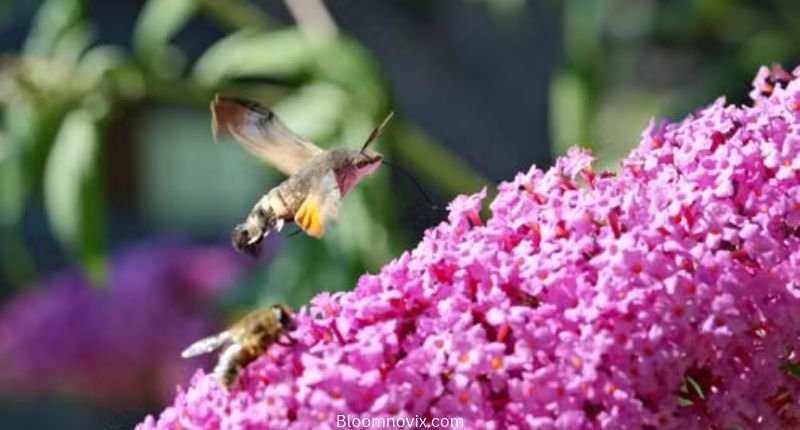
Flower shape decides who visits. Flat, open petals suit bees. Deep tubes suit long-tongued insects and birds. A patch with mixed shapes invites more species.
Here is a simple match between visitors and blooms:
- Bumblebees: wild geranium, wild bergamot, obedient plant
- Butterflies: swamp milkweed, Joe-Pye weed, pink coneflower
- Hummingbirds: wild bergamot, fireweed
- Moths: pink evening primrose, which stays open into the evening
Seeds matter too. Goldfinches eat coneflower seeds in fall. So leave seed heads standing through winter. Your garden then feeds wildlife all year.
Benefits of Pink Wildflowers for the Environment and Ecosystem
Deep rooted plants, such as coneflowers mean that water is absorbed into the soil in heavy rain, reducing soil erosion.
Native flowers provide food for native insects and therefore birds. The milkweed provides food for the caterpillars of monarch butterflies. A healthy area of wildflowers can support many species of animals (dozens).
Once established, native wildflowers require less watering and no chemical fertilisers. If you reduce the size of your lawn by planting wildflowers you will reduce the amount of mowing you have to do. This makes a beautiful garden, which is healthier.
How to Grow Pink Wildflowers in Your Garden
Start with native species for your area. Check your hardiness zone and your local conditions. Buy seed from trusted regional suppliers. Avoid mixes that include invasive plants like crown vetch.
Prepare the bed in a simple way. Remove grass and weeds first. Rake the soil lightly, but skip heavy fertilizer. Rich soil grows weeds, not wildflowers.
Follow these easy steps:
- Pick the right spot. Match sun or shade to the plant.
- Clear the site of grass and weeds.
- Scatter the seeds by hand. Mix them with sand for even spread.
- Press seeds into the soil. Many need light, so do not bury them.
- Water gently until seedlings appear.
Be patient with the results. Many perennials grow roots in year one and bloom in year two. Some seeds, like milkweed and wild geranium, need cold stratification. Fall sowing gives them that winter chill naturally.
Best Time to Plant and Care Tips (Soil, Sunlight, Water)
When to plant: Sow in autumn or early spring. Sowing in autumn mimics natural conditions and means the seeds will get a cold dormant period. Annuals and many hardy wildflowers can be sown in spring.
In what light? Most pink wildflowers require 6 hours of light. Wildflowers native to woodland areas will prefer partial shade. Well drained soils are more important than very fertile soils.
| Flower | Sunlight | Soil | Water Needs | Best Sowing Time |
| Pink Evening Primrose | Full sun | Dry to average | Low | Spring |
| Pink Coneflower | Full sun | Well-drained | Low once established | Fall or spring |
| Wild Geranium | Part shade | Rich, moist | Medium | Fall |
| Swamp Milkweed | Full sun | Average to wet | High | Fall |
| Wild Bergamot | Full sun | Average | Low | Fall or spring |
Care stays simple. Water new seedlings often, then reduce watering as roots deepen. Pull weeds early so seedlings get light. Cut back dead stems in late winter, not fall, so wildlife can use them.
Symbolism and Meaning of Pink Wildflowers
Soft pink flowers can represent gentle and loving feelings. Lighter pinks may represent new love and gentle feelings. Darker pinks may be interpreted as happy, a sign of admiration and energetic.
Wild flowers may represent freedom and strength. When pink wild flowers grow in rocky cracks, they can represent strength. Many writers and artists use this image.
The meaning of pink wild flowers can vary depending on culture. During the Victorian times, many pink flowers had meanings such as admiration and friendship. In today’s society pink wild flowers are used in weddings, cards and memorial gardens. Ultimately, you can give them whatever meaning you wish!
Are Pink Wildflowers Safe? (Toxicity for Pets, Humans, and Picking Rules)
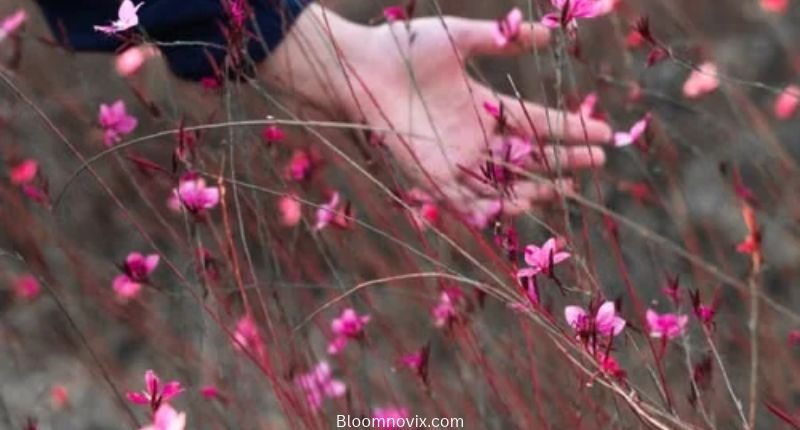
Some wildflowers can be poisonous. Dogbane and milkweed contain toxic chemicals. Foxglove can be found in many places, and is poisonous to humans and animals.
Do not let pets or children near unknown wild plants. Do not eat any wild flowers unless you are 100% sure it is safe from an expert. People may be allergic to the sap in some wild plants. To be safe, wear gloves.
Different rules may apply in different parks and countries. In many parks, collecting wild flowers is not allowed. To be safe try to:
- Avoid picking rare, protected or unknown flowers.
- Take pictures.
- If on private land ask for permission.
- Avoid picking most flowers so that plants can produce seeds.
- Check local rules before collecting any seeds.
Frequently Asked Questions
What are some common pink wildflowers?
Wild geranium, pink evening primrose, pink coneflower, and fireweed are common pink wildflowers. You can find them in woodlands, prairies, and open fields.
When do pink wildflowers bloom?
Spring to early autumn. First to bloom are spring beauty and wild geranium. Joe-Pye weed and obedient plants bloom last.
Can I grow pink wildflowers in my garden from seeds?
Yes, you can grow pink wildflowers from seed. Sow native seeds in fall or early spring, in a sunny, well-drained spot.
Are pink wildflowers good for bees and butterflies?
Yes, they are excellent for pollinators. Bees, butterflies, and hummingbirds rely on them for nectar and pollen.
What does a pink wildflower symbolize?
The wild nature of this flower means ‘freedom’. s grace, affection, and resilience. Its wild growth also stands for freedom.
Conclusion
You can now identify pink wildflowers, know which months they flower in, where they live, identify rare species, avoid poisonous species and grow native pink wildflowers. This means that you can really appreciate wildflowers in nature.
Next time you are outside, try to identify a pink wildflower! If you have space, try growing a small area of native wildflowers. Share your knowledge to help protect these beautiful wildflowers!

BloomNovix is managed by an experienced team of content writers and SEO specialists with 4+ years of expertise in gardening and plant care. We provide well-researched guides, gardening tips, and insights on floral meanings to help plant lovers grow their indoor and outdoor gardens with confidence.