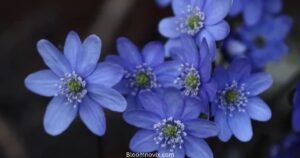
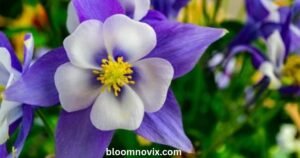
Picture a hillside that has been scattered with blue by the clouds, just left there as an afterthought. A group of blue wildflowers can do this within a week with some warm weather that changes an usual meadow to a landscape similar to a painting. Still, many hikers walk past them , unable to tell a single name or say one interesting fact even.
Blue is a very unusual color in plants ; in fact , every instance of it seems like a little unexpected present. You will find out about the best varieties of blue wildflowers, their blossom periods, and their exact locations. Besides that, you will also get some helpful hints about how to identify, handle safely, and plant them in your own garden. Don’t stop yet , and your next walk will be completely different.
What Are Blue Wildflowers? Quick Overview
Blue wildflowers are flowering plants that have spread without anyone sowing, watering , or tending them. Their petals vary between pale blue and deep blue-violet, with every possible shade represented. Blue wildflowers can be seen growing in wildflower gardens, forests, deserts, mountains, and even along roadside ditches. Every area has a unique lineup of native blue wildflowers that are adapted to local soil and weather conditions.
Plant scientists categorize these plants by their family, not by their color, which is something new gardeners should remember. A blue violet, a blue lobelia, and a blue flax have almost nothing in common except for their certain shade. That is exactly the reason why, at a glance, differentiating among them may feel like an impossible task. Color will be a helpful clue, but to achieve accurate identification, you will need to pay attention to petals, leaves, and habitat.
Some of the purple-blue wildflowers are native to the area, while others came from Europe in the early years and never went away. Chicory and bachelor’s button are two examples of such newcomers. Today, they can be seen flowering across much of North America. Generally speaking, local bees, butterflies , and other small birds are attracted more to native species than to foreign ones. Knowing the distinction not only helps you appreciate the plants growing in your backyard, but it will also allow you to safeguard your local habitat.
Why Are Blue Wildflowers So Rare in Nature?
Most plants cannot make a true blue pigment, even though they make many other colors with ease. They produce red and purple pigments called anthocyanins instead of real blue. A few species tweak those pigments with special chemistry, and that tweak produces the blue we love. This extra work explains why only about one in ten flowering plants makes blue blooms.
Bees also shaped the story of blue petals over millions of years. Bees see blue very well, so blue flowers catch their attention from a long distance. Plants that earn more bee visits pass on more seeds to the next generation. Over time, that pressure rewarded the species that managed to solve the blue puzzle.
Rare does not mean absent, because blue flowers appear wherever the right plants and conditions meet. Once a plant solves the pigment problem, its color usually holds up well in the wild. Soil, sunlight and plant age still nudge the final shade you see on a trail. Watch for these three influences when a flower looks different from the photo in your guide:
- Soil pH: Acidic soil pushes petals toward pink, while alkaline soil pushes them toward blue.
- Sunlight: Strong sun fades delicate petals by mid-afternoon.
- Plant age: Virginia bluebells open pink and turn blue as they mature.
Most Beautiful Blue Wildflowers You Should Know
There are a few species that practically dominate any field guide, and we’ll start with them simply because of this. Texas bluebonnets carpet areas of land during each spring in a riot of deep blue flower spikes. Blue Virginia bells, the gentle, drooping blossoming plant, will bloom among the cool forest before the trees get their first leaves. Chicory, a cheerful flowering plant growing alongside roadways, brightens up sidewalks with its open daisy-like blue flowers that it shows off at the earliest hours of the day.
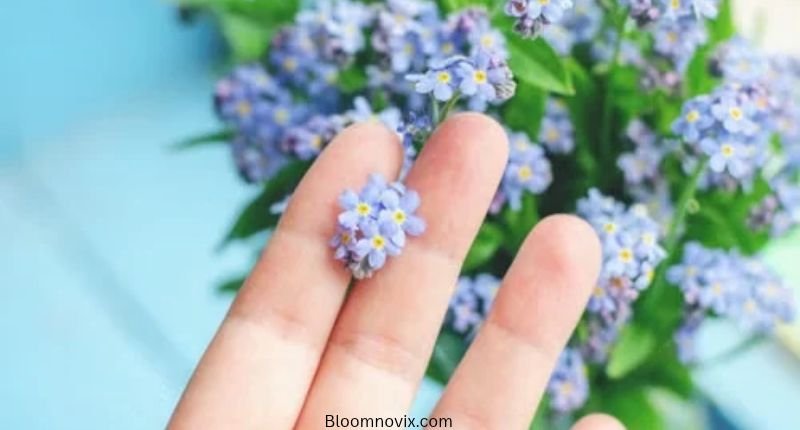
Likewise, we shouldn’t disregard flowers of tiny size that, when viewed from above, do not appear too special ; only their colors stand out. The first, the forget-me-not, which you probably recognize, is composed of little sky-bluish petals encircling an unmistakably yellow core. If you look closely, at the tip of the small grass-like blade, there is a perfect little star. This is a blue-eyed grass. In their springtime, speedwells cover fields, meadows, and even wet ground with bright blue blossoms.
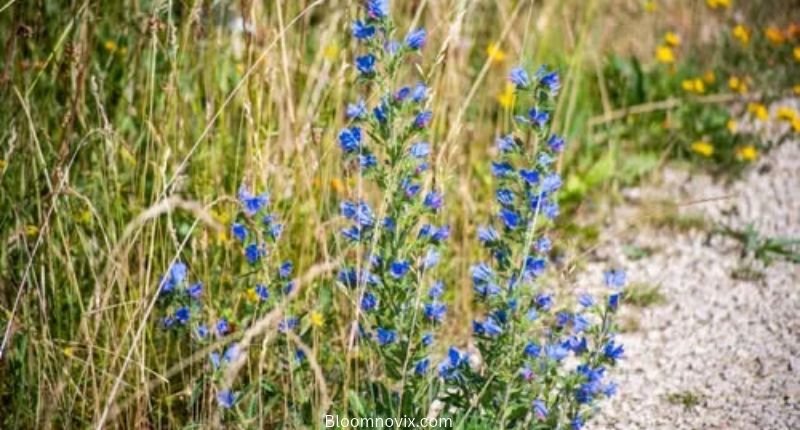
The summer-blooming plants, which are the tall and brave types, also come in various shades of blue, and these are quite striking when the scenery is gold from the long summer heat. For instance, the blue vervain is the only one with such a tall candle-type blue flower that you can easily find among the meadows full of water and even the little ditches. Also, the blue sage is one of the tallest flowers standing among the prairie grasses, and it sways very gracefully as the wind passes over it. The great blue lobelia is another plant which you may have to look up to because it prefers a shady and moisture-rich environment.
| Flower | Bloom Time | Where It Grows |
| Texas Bluebonnet | March–April | Open fields and roadsides in Texas |
| Virginia Bluebells | March–May | Moist woodlands |
| Forget-Me-Not | April–June | Streambanks and damp meadows |
| Blue-Eyed Grass | April–June | Meadows and grassy openings |
| Blue Vervain | June–September | Wet meadows |
| Chicory | July–October | Roadsides and waste ground |
| Blue Sage | August–October | Prairies and open ground |
| Great Blue Lobelia | August–October | Moist woods and stream edges |
Blue Wildflowers That Bloom in Spring
Spring brings the first wave of blue, and it arrives faster than most people expect. Spring wildflowers push up before the trees leaf out and block the sunlight. Virginia bluebells, wild blue phlox and the common blue violet lead the early show. Plan your woodland walks between late March and May for the best displays.
Virginia bluebells open pink and turn blue as they age, then vanish completely by midsummer. Wild blue phlox forms soft, fragrant clouds that drift across the forest floor. The common blue violet shows heart-shaped leaves and five rounded petals on short stems. All three species love cool, moist and shaded ground with plenty of leaf litter.
Open fields offer their own spring spectacle, and it often draws large crowds with cameras. Bluebonnets blanket Texas roadsides from March to April in thick, glowing waves. Camas paints western meadows blue-violet in late spring, long after the snow melts. Forget-me-nots join the party near streams and wet ditches, where the soil stays damp.
Blue Wildflowers That Bloom in Summer
Summer blue wildflowers handle heat and full sun far better than their spring cousins. Blue flax waves slender stems topped with sky blue flowers from late spring through the summer months. Each flower lasts only one day, and the petals drop by afternoon. Fresh buds open the next morning, so the plant keeps blooming for weeks.
Bachelor’s button brings cornflower blue to sunny fields, garden edges and abandoned lots. Chicory opens at sunrise and closes by afternoon, so early visitors see the best color. Harebell nods on thin, wiry stems in rocky, breezy places and mountain slopes. Visit early in the day, because heat dulls many summer blues quickly.
Blue vervain and blue curls add height and texture to the season. Vervain’s tiny flowers open from the bottom of each spike upward, like a slow ripple. Blue curls fill dry California hillsides with arching stamens that look like tiny curled wire. Both plants draw bees and butterflies from sunrise to dusk all summer long.
Blue Wildflowers That Bloom in Fall
After all the colorful changes brought about by the fall season, fall blue is very, very rare ; hence, it’s like a small gift nature presents at the end of the season. Late-blooming flowers stay out in the sunlight to enjoy the last warm days, which is not only to attract human admirers, but their main role is to provide food for nectar-hungry pollinators before winter comes.
These plants will keep butterflies fueled for their long journeys and provide enough nutrition for the bees to store it in their hives. They can be found in fields, along damp ditches , and even on the edges of prairies.
Bottle gentian has petals that are very much like a closed bud, tightly wrapped around the center, so many new visitors to this flower might be a bit disappointed that it’s not open. On the contrary, the bumblebee’s large size and strong flight allow it to open the flower just a bit , and then, as it lands on the blossom, it completely unfurls to the bee’s width, which is really a perfect fit.
Blue mistflower looks like small, blue fuzzy balls that , even on cloudy days, can be seen, and butterflies love to land on them. A tall purple plant called blue sage has bright blue flowers that can be seen even before it blooms, and it will stay in bloom until the last heavy frost, which will kill the whole plant. Great blue lobelia can often be found blooming early in the fall in areas where there are streams or even wet woods. The two-lipped flowers of the plant grow in layers from the top downwards on upright stems.
A flowering weed that belongs to the dandelion family, chicory, will produce beautiful blue-violet flowers and remain in full bloom until the first frost, even if it is growing on the bare soil of a roadside. The colors of these late bloomers don’t stay forever. As a matter of fact, the first cold weather at night will have them disappear quickly from the scene. So if you really like some of these flowers, just get out your camera and capture the fleeting beauty before it has time to get away into the wind. It’s not going to wait forever for you.
Blue Wildflowers in North America (Native Species)
North America hosts many native blue wildflowers, and each one fits a particular habitat. Bluebonnet, Virginia bluebells, blue flag iris and blue-eyed grass all belong here. Jacob’s ladder and wild hyacinth thrive in eastern woods and moist meadows. These flowers evolved alongside local insects and birds, so they support the whole food web.
Regions shape the list in clear and predictable ways. The Southwest favors bluebonnets and blue curls, which love heat and sun. The Rocky Mountains favor blue flax and harebell, which handle thin soil and cold nights. The East favors bluebells, vervain and bottle gentian, which prefer richer, wetter ground.
Not every blue flower you see is native, and many people never learn this fact. Chicory, bachelor’s button and many speedwells came from Europe and now grow wild everywhere. Some of them spread so well that they crowd out local plants and reduce diversity. Choose native species when you plant, and you help local wildlife thrive for years.
Blue Wildflowers in Woodlands and Shady Areas
Shade changes everything for wildflowers, because light is the scarcest resource on the forest floor. Woodland species bloom early, before the leaves above them block the sun. They pack their whole life cycle into a few short and busy weeks. Then many of them rest underground until the next spring arrives.
Virginia bluebells, wild blue phlox and Jacob’s ladder form the classic woodland trio. Jacob’s ladder shows ladder-like leaflets and clusters of nodding blue bells on upright stems. Wild hyacinth adds pale blue spikes on moist slopes and near stream banks. Together, these plants create layers of soft color beneath the trees.
Walk quietly and stay on the trail when you visit a woodland bloom. These flowers grow slowly, and one careless step can erase a patch for years. Look near streams, fallen logs and rich leaf litter, where moisture lingers. Early morning light makes the petals glow and makes your photos much sharper.
Blue Wildflowers in Meadows, Prairies and Open Fields
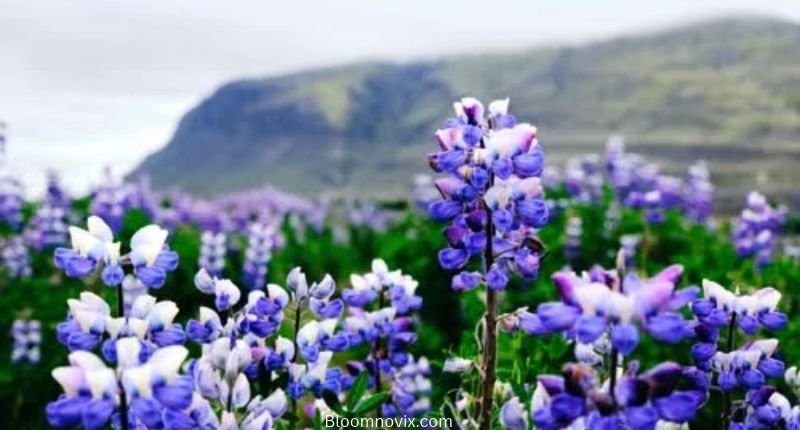
Open fields give blue wildflowers plenty of sun, and sun is what most of them crave. Bluebonnets, blue flax and bachelor’s button thrive here in large, showy colonies. They tolerate wind, heat and poor soil better than many garden flowers do. Masses of color make a dramatic show that you can spot from a long way off.
Prairie wildflowers rely on deep roots to survive drought and harsh winters. Blue sage and blue vervain send their roots far below the surface in search of water. That strategy also helps them return after fire and mowing each year. This toughness explains why prairies still bloom brilliantly after the hardest seasons.
Roadsides act as unplanned meadows, and many blue species move in quickly. Chicory and blue flax often colonize the disturbed soil along highways and farm lanes. Park safely before you stop for photos, and keep a safe distance from traffic. Never pick flowers from busy road edges, since exhaust and road salt can harm them.
How to Identify Blue Wildflowers (Petals, Leaves and Shape)
Identification works best as a simple checklist that you follow in the same order each time. Start with the petals, and count them carefully before you look at anything else. Five petals point to violets, flax and forget-me-nots, which are common finds. Dense spikes point to bluebonnet, vervain and blue sage, which grow in larger colonies.
Next, study the leaves and the way they attach to the stem. Look at their shape, their edges and their arrangement from the base to the tip. Heart-shaped leaves signal violets, while narrow and grass-like leaves signal flax or blue-eyed grass. Opposite leaves often signal members of the mint family, such as blue sage.
Habitat gives the final clue, and many beginners skip it. Check the light, moisture and soil before you decide on a name. Note the bloom time, too, because a flower in April and a flower in October rarely match. A phone photo of the whole plant helps you confirm the name later at home.
| Clue | What to Check | Example |
| Petal count | Five rounded petals | Common blue violet, blue flax |
| Flower shape | Spike of pea-like flowers | Bluebonnet |
| Flower shape | Nodding, bell-shaped blooms | Virginia bluebells, harebell |
| Leaves | Heart-shaped | Common blue violet |
| Leaves | Narrow and grass-like | Blue-eyed grass, blue flax |
| Habitat | Wet ground | Blue vervain, great blue lobelia |
Blue vs Purple Wildflowers: How to Tell the Difference
Many blue wildflowers actually look blue-violet when you study them up close. Light, camera settings and even your own eyes play tricks on color. A flower may look blue at dawn and purple at noon under harsh sun. This confuses even seasoned hikers, so you are not alone if it confuses you.
Use the color wheel as a simple guide to settle the question. True blue leans toward green or cyan, while purple leans toward red or pink. If you see warm, reddish tones in the petals, call the flower purple. If the petals look cool and clear like the sky, call the flower blue.
Check the bloom against a neutral background to remove the guesswork. Compare it with a nearby green leaf or hold up a white card behind it. Photograph the flower in shade for truer color, since direct sun washes out shades. Field guides often write “blue to purple,” so trust the plant’s name over the shade.
Blue Wildflowers Meaning and Symbolism
People have loved blue flowers for centuries, and the reasons run deep. Blue often suggests calm, trust and open sky in many cultures. Poets also linked the color with longing and distant dreams. Novalis, a German Romantic writer, made the “blue flower” a famous symbol of that desire.
Culture adds more layers of meaning to these blooms. Estonia honors the cornflower as its national flower and shows it on its symbols. Texas honors the bluebonnet as its state flower and celebrates it every spring. Both blooms carry deep local pride that goes far beyond their looks.
Victorian flower language gave nearly every bloom a secret message to send. Gardeners and florists still borrow many of those meanings today. Check a flower’s meaning before you give it as a gift to someone special. A wrong message can turn a kind gesture into an awkward moment.
Quick meanings to remember:
- Forget-me-not: faithful love and remembrance
- Cornflower: hope and devotion
- Bluebonnet: spring renewal
- Blue iris: faith and wisdom
How to Grow Blue Wildflowers in Your Garden
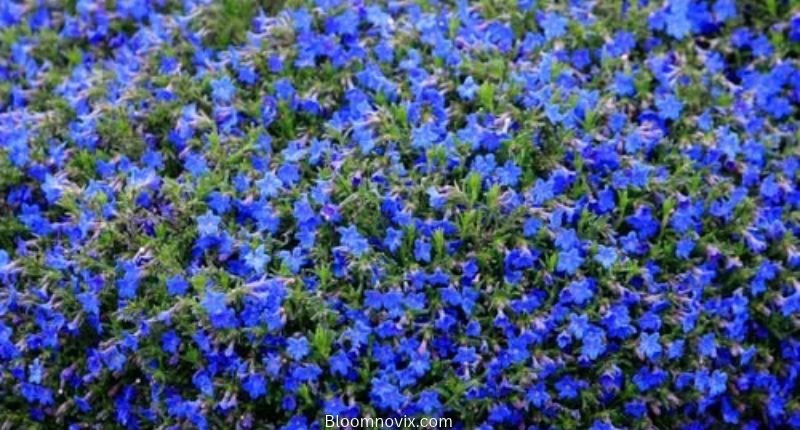
Match each species to your light, soil and climate before you buy any seed. Local native-plant nurseries give the most reliable advice for your exact region. Pollinator gardens benefit most from native species, which bees and butterflies already know. Low-maintenance blue wildflowers also start easily from seed and need little care later.
Sow seeds in fall so winter cold can wake them in spring. Rake the soil lightly and press the seeds in gently without burying them deeply. Bluebonnet seed coats are very hard, so scratch them first to help water enter. Keep the soil damp until the first sprouts appear above the ground.
Skip rich soil and heavy fertilizer, because wildflowers prefer lean ground. They grow floppy and bloom less in fat soil full of nutrients. Water deeply but rarely once the plants establish their roots. Leave a few seed heads standing at the end of the season so the flowers return next year.
Good garden picks by site:
- Full sun and dry soil: blue flax, bachelor’s button, blue sage
- Moist soil: blue vervain, great blue lobelia, blue flag iris
- Shade: Virginia bluebells, Jacob’s ladder, wild blue phlox
- Butterfly magnets: blue mistflower, bottle gentian
Are Blue Wildflowers Safe? Edible, Poisonous and Protected Species
Never eat a wildflower unless an expert confirms its identity in person. Many species look alike, and some of them are truly dangerous to humans. Even safe plants can upset your stomach when you eat large amounts. When in doubt, admire the flower and photograph it instead of picking it.
Some species have a long record of safe use in kitchens and teas. Chicory root became a popular coffee substitute, and its leaves add bitter greens to salads. Cornflower and violet petals work as edible flowers for cakes, drinks and garnish. Always collect them from clean, unsprayed areas away from roads and farm fields.
Other blue flowers are toxic, and a few are serious threats. Bluebonnet seeds contain alkaloids that can harm people, pets and livestock. Some regions also protect wild blue flowers by law, especially rare or declining species. Check local rules before you pick or dig any plant from the wild.
| Flower | Edible? | Note |
| Chicory | Yes (leaves, roots) | Bitter; prepare well |
| Common blue violet | Yes (flowers, young leaves) | Eat small amounts |
| Cornflower | Yes (petals) | Use as garnish |
| Bluebonnet | No | Seeds are toxic |
| Larkspur | No | Toxic to people and livestock |
| Monkshood | No | Highly poisonous |
Frequently Asked Questions
What are the most common blue wildflowers?
Chicory, bluebonnet, blue flax, forget-me-not and common blue violet top the list. Chicory and violets grow almost everywhere, while bluebonnets and flax dominate specific regions.
Why are wild blue flowers so rare?
Most plants cannot make a true blue pigment. They must modify red and purple pigments, and that process needs special chemistry.
Which wild blue flowers bloom in spring?
Virginia bluebells, bluebonnets, wild blue phlox, forget-me-nots and common blue violets bloom in spring. They flower early in woods and fields, from March to early June.
Are wild blue flowers poisonous to humans or pets?
Some are. Bluebonnet, larkspur and monkshood can cause serious harm. Many others are safe, but never eat any wildflower without expert identification.
How can I grow wild blue flowers in my garden?
Sow native seed in fall, in the right light, and use lean, well-drained soil. Winter cold triggers sprouting, and light watering keeps the plants sturdy.
Conclusion
Blue wildflowers reward anyone who slows down and looks closely at the world around them. They come in many shapes, and each one tells a story of soil, season and pollinators. With a few simple clues, you can name most of them on your own. Your next walk can now feel like a real treasure hunt.
Start small with one woodland trail or one sunny meadow near your home. Carry a notebook, snap clear photos and check each bloom time against your notes. Plant a few natives in your yard to help local bees and butterflies. Then share what you learn with friends, and keep these fragile flowers wild.
BloomNovix is managed by an experienced team of content writers and SEO specialists with 4+ years of expertise in gardening and plant care. We provide well-researched guides, gardening tips, and insights on floral meanings to help plant lovers grow their indoor and outdoor gardens with confidence.