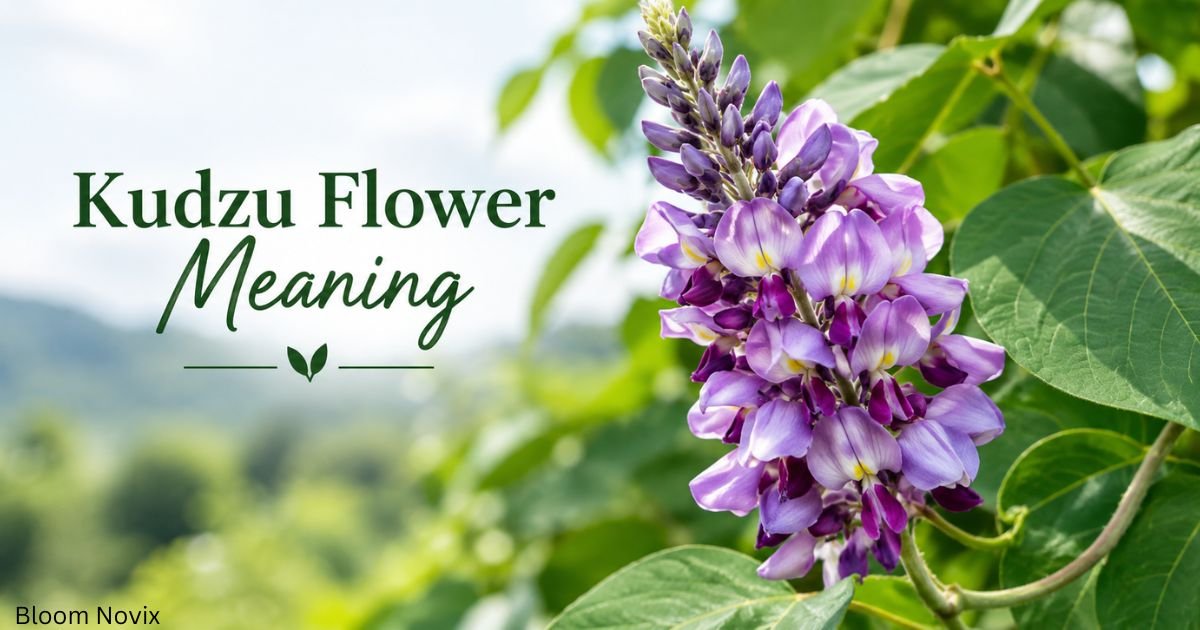
Picture a vine so aggressive it swallows entire forests, yet blooms with flowers so fragrant they smell like ripe grapes. That contradiction sits at the heart of kudzu flower meaning. This plant carries two completely different reputations — one rooted in ancient Japanese reverence, the other in American frustration. Understanding both sides reveals why this flower fascinates gardeners, folklorists, and spiritual seekers alike.
Most people only know kudzu as the vine that swallowed the American South, but its flowers tell a richer story. Long before it became an invasive nightmare, kudzu grew sacred in Japan, celebrated in poetry and traditional medicine. Its deep purple blossoms symbolize resilience, transformation, and hidden strength. This guide breaks down every layer of kudzu’s symbolism, from spiritual meaning to color, culture, and dreams.
What Is Kudzu Flower?
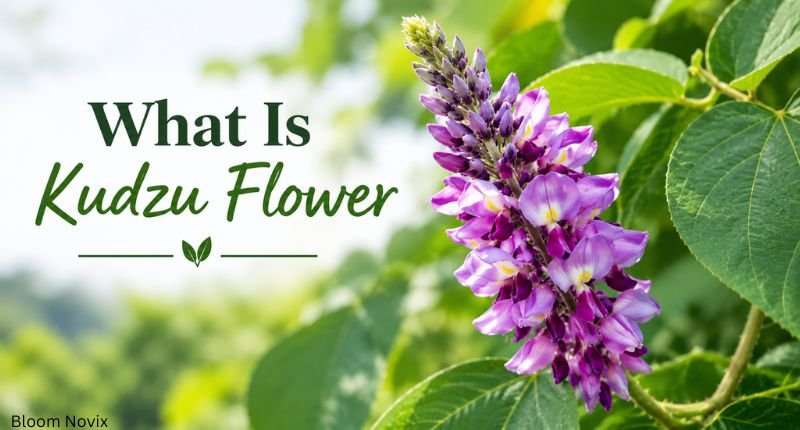
Kudzu (Pueraria montana var. lobata) is a fast-growing climbing vine native to East Asia, especially Japan and China. It belongs to the pea family and produces long clusters of small, purple flowers that bloom from late summer into early fall. Each blossom sits packed tightly along a tall spike, creating a striking visual against the vine’s broad green leaves.
The flowers carry a sweet, grape-like scent that surprises most people who expect nothing from such an aggressive plant. Bees, butterflies, and moths flock to kudzu blooms for their heavy nectar production. Despite its wild reputation, the flower itself remains delicate and short-lived compared to the vine’s relentless growth.
Kudzu belongs to the Pueraria genus, closely related to other legume family plants. It thrives in warm, humid climates and can grow up to a foot a day under ideal conditions. This extreme growth rate is exactly what shaped its symbolism in both Asian and American culture.
Kudzu Flower Meaning & Symbolism
At its core, kudzu flower meaning revolves around unstoppable growth, adaptability, and hidden beauty within chaos. Few flowers embody such a sharp contrast between grace and aggression. The blossom represents what happens when strength goes unchecked — both a warning and a celebration of raw vitality.
In many interpretations, kudzu symbolizes persistence and the refusal to be contained. It pushes through fences, climbs trees, and reclaims abandoned land, making it a natural symbol of survival against all odds. This same trait makes it a metaphor for personal transformation and breaking free from limits.
The flower also carries a quieter message: beauty can exist even in something feared or misunderstood. Kudzu’s fragrant purple blooms remind us that:
- Growth isn’t always gentle or convenient
- Strength can look different depending on perspective
- Even “invasive” things carry hidden value
Kudzu Flower Meaning Spiritual
The direct spiritual meaning of the kudzu flower centers on resilience, renewal, and untamed life force. Spiritually, kudzu is seen as a reminder that growth cannot always be controlled or predicted.
Many spiritual practitioners view kudzu as a symbol of transformation through adversity. Its ability to root deeply and spread across difficult terrain mirrors the human journey of rebuilding after hardship. The vine’s endurance under harsh conditions gives it a reputation as a plant of quiet, stubborn power.
Some spiritual traditions also connect kudzu to grounding energy, since its roots plunge several feet into the earth for stability. This deep-rooted nature suggests that true spiritual strength comes from what’s unseen, not just visible bloom. People drawn to kudzu symbolism often seek:
- A reminder to keep growing despite obstacles
- Connection to deep, grounded personal roots
- Acceptance of transformation, even when uncomfortable
Kudzu Flower Meaning Love
In romantic symbolism, the kudzu flower meaning shifts toward overwhelming, all-consuming love. Its habit of wrapping tightly around everything nearby mirrors a love that grows fast and holds on tight.
This interpretation carries a double edge. Kudzu can represent a passionate, devoted bond, but it can also symbolize love that becomes possessive or suffocating if left unchecked. The flower serves as a gentle warning to balance affection with space and freedom.
Because kudzu spreads so persistently, some cultures also link it to loyalty and lasting connection. A relationship compared to kudzu suggests deep roots and staying power, even through difficult seasons. It’s a flower that reflects intensity rather than subtlety in matters of the heart.
Purple Kudzu Flower Meaning
The most common kudzu bloom appears in a rich, deep purple color, and this shade carries its own symbolic meaning. Purple is often connected with royalty, mystery, and spiritual depth. These associations are also common in flower symbolism, as seen in the meaning of purple roses.
For kudzu specifically, the purple tone reinforces themes of hidden strength and quiet dignity. The color suggests that something powerful is happening beneath a calm, elegant surface — much like the vine’s explosive growth hidden behind soft, fragrant blooms.
Purple kudzu flowers are often tied to intuition and inner wisdom as well. This makes the bloom a fitting symbol for anyone navigating major life transitions or seeking clarity during uncertain times.
| Kudzu Flower Color | Core Symbolic Meaning |
| Purple (most common) | Mystery, hidden strength, spiritual depth |
| White | Purity, new beginnings, quiet resilience |
| Pink-purple blend | Gentle transformation, emotional healing |
White Kudzu Flower Meaning
While purple dominates, occasional white kudzu flower variations appear in nature or cultivated settings. White traditionally symbolizes purity, clarity, and fresh starts across most flower symbolism systems.
A white kudzu bloom softens the plant’s aggressive reputation, suggesting a gentler form of resilience. It represents growth that comes from a place of calm determination rather than overwhelming force.
Some interpret white kudzu flowers as a sign of quiet renewal — the idea that even the most persistent, misunderstood things can carry innocence at their core. This variation is rarer, which adds a layer of uniqueness to its symbolic value.
Kudzu’s Grape-Like Fragrance & What It Symbolizes
One of kudzu’s most surprising traits is its sweet, grape-scented fragrance, unexpected from such an aggressive climbing vine. This scent draws pollinators from far distances and adds a sensory layer to the flower’s symbolism.
Fragrance in flower symbolism often represents hidden gifts or unexpected value. Kudzu’s grape-like aroma suggests that even things widely seen as problematic can offer something sweet and worthwhile if people look closely enough.
The scent also ties kudzu to themes of sensory pleasure and grounding presence. Walking past a blooming kudzu patch in late summer offers a reminder that nature holds contradictions — beauty and burden, fragrance and ferocity, all in one plant.
Kudzu as a Symbol of Resilience & Growth
Few plants demonstrate resilience as dramatically as kudzu. It survives poor soil, drought, and heavy shade while still managing to climb, spread, and bloom. This makes it one of the strongest natural symbols of unstoppable growth.
Kudzu’s resilience speaks to anyone facing repeated setbacks. The plant doesn’t just survive difficult conditions — it thrives in them, turning obstacles into opportunities for expansion. This trait has made kudzu a popular metaphor in motivational and self-growth contexts.
Key traits that reinforce kudzu’s resilience symbolism include:
- Extremely fast growth, up to a foot per day
- Deep root systems that survive harsh winters
- Ability to regrow quickly after being cut back
Explore More: Mississippi Flower Meaning
Kudzu as a Symbol of Invasion & Overgrowth
The flip side of kudzu’s resilience is its reputation as a symbol of invasion, excess, and loss of control. In the American South, kudzu represents nature overstepping its boundaries and taking over what wasn’t meant for it.
This negative symbolism reflects real ecological concerns. Kudzu smothers native plants, blocks sunlight, and can even bring down power lines and structures under its weight. It has earned nicknames like “the vine that ate the South” for good reason.
Symbolically, kudzu warns against unchecked ambition or growth without boundaries. It reminds us that strength without restraint can cause harm, even when the original intention wasn’t destructive.
Kudzu in Japanese Culture & the Seven Autumn Flowers
In Japan, kudzu holds a completely different, far more respected place in culture. It’s known as one of the Seven Autumn Flowers (Aki no Nanakusa), a group of plants celebrated in classical Japanese poetry for centuries.
Rather than a nuisance, kudzu in Japan symbolizes the arrival of autumn and the quiet beauty of seasonal change. Its purple blossoms appear in traditional art, literature, and even seasonal food preparations tied to the harvest period.
This cultural contrast highlights how meaning shifts based on environment and history:
| Region | Cultural View of Kudzu |
| Japan | Sacred autumn flower, poetic symbol |
| China | Medicinal plant, food source |
| United States | Invasive species, symbol of overgrowth |
“The Vine That Ate the South” — Kudzu in American Symbolism
This famous nickname captures America’s complicated relationship with kudzu. What began as a solution for soil erosion became one of the most infamous invasive species in U.S. history.
As a cultural symbol, kudzu represents unintended consequences. It stands as a reminder that even well-meaning decisions can spiral out of control when nature isn’t fully understood. Southern folklore often uses kudzu as shorthand for anything that grows or spreads uncontrollably.
Despite the negative framing, this symbolism carries an important lesson about humility — respecting nature’s power rather than assuming full control over it.
History of Kudzu in the United States
Kudzu arrived in the U.S. in 1876 at the Centennial Exposition in Philadelphia, showcased as part of a Japanese garden display. Its lush vines and fragrant flowers charmed visitors immediately.
By the 1930s, the Civilian Conservation Corps began planting kudzu widely for erosion control, and the U.S. government even paid farmers to plant it throughout the 1940s. Nobody anticipated how aggressively it would spread once established.
Today, kudzu covers millions of acres across the southeastern United States. This history transformed the plant’s symbolism from a decorative garden gift into a cautionary tale about introducing species without understanding long-term impact.
Kudzu Flower Meaning in Dreams
Dreaming about kudzu often points to themes of overwhelm, rapid change, or feeling out of control in waking life. The dream may reflect a situation growing faster than you can manage.
Alternatively, kudzu in dreams can symbolize resilience during chaotic times. If the vine appears healthy and blooming, it may suggest you’re finding strength within a difficult or fast-moving situation rather than being consumed by it.
Common dream interpretations include:
- Kudzu covering a house: feeling overwhelmed by responsibilities
- Kudzu flowers blooming: hidden progress despite chaos
- Cutting back kudzu: reclaiming control over your life
Kudzu Tattoo Meaning
A kudzu tattoo typically symbolizes resilience, persistence, and untamed strength. People may choose this design to represent personal growth through difficult circumstances or an unstoppable will to survive. Similar ideas of personal meaning and growth can also be found in birth flower tattoos.
Because kudzu is both beautiful and fierce, tattoo wearers often use it to express duality — softness paired with inner power. The flowing vine design also lends itself naturally to wraparound tattoo placements on arms or legs.
Some choose kudzu ink specifically to honor Southern heritage, embracing the plant’s complicated but deeply rooted cultural identity in that region.
Kudzu Root & Starch: Traditional Uses
Beyond its flowers, kudzu’s root holds significant value in traditional Asian cooking and herbal practices. The root produces a fine white starch known as kuzu-ko, used to thicken sauces and create traditional Japanese sweets.
This starch has been prized for centuries for its smooth texture and subtle flavor. High-grade kudzu starch, called hon-kuzu, remains a premium ingredient in Japanese cuisine today.
| Kudzu Part | Traditional Use |
| Root | Starch for cooking, thickening sauces |
| Flowers | Fragrance, ornamental, occasional tea |
| Leaves | Livestock fodder, ground cover |
Kudzu in Traditional Chinese/Japanese Medicine
In traditional Chinese medicine, kudzu root (known as ge gen) has been used for generations to address fevers, digestive issues, and inflammation. It remains a staple herbal remedy across East Asia.
Japanese herbal medicine similarly values kudzu for its soothing properties, often prepared as a warm drink believed to ease colds and support digestion. This medicinal reputation adds another layer to kudzu’s symbolism as a plant of healing and restoration.
These practical uses reinforce kudzu’s deeper symbolic meaning: something that looks overwhelming on the surface can still offer real nourishment and care underneath.
Growing & Caring for Kudzu
Growing kudzu intentionally requires caution due to its invasive nature in many regions. It thrives in full sun, warm climates, and well-drained soil, spreading rapidly once established.
Because of its aggressive growth, many U.S. states restrict or regulate kudzu planting entirely. Gardeners interested in similar symbolism but less risk often choose native vines with comparable resilience traits instead.
If managing existing kudzu growth, regular cutting and root removal remain the most effective control methods, since the plant regenerates quickly from remaining root systems.
Occasions & Gifting — Does Kudzu Carry Gift Meaning?
Kudzu isn’t a traditional gifting flower in most Western contexts due to its invasive reputation. However, in Japan, its cultural status among the Seven Autumn Flowers gives it symbolic value in seasonal art and decor.
For those drawn to its meaning of resilience and transformation, kudzu-inspired gifts — such as pressed flower art or kuzu starch sweets — offer a thoughtful way to honor personal growth or a fresh start.
Its symbolism works especially well for encouragement gifts, celebrating someone who’s overcome a difficult chapter and emerged stronger.
FAQs
What does the kudzu flower symbolize?
Kudzu symbolizes resilience, unstoppable growth, and hidden beauty within chaos. It represents both the power of survival and the risk of unchecked expansion.
What is the spiritual meaning of the kudzu flower?
Spiritually, kudzu represents grounded transformation and quiet inner strength. It reminds people that true resilience often grows unseen, beneath the surface.
Does the kudzu flower symbolize love?
Yes, kudzu can symbolize passionate, all-consuming love. It also warns against affection becoming possessive if not balanced with space.
What does a white kudzu flower mean?
White kudzu represents purity and gentle renewal. It softens the plant’s aggressive symbolism into a message of calm, quiet growth.
What does the purple color of kudzu flowers represent?
Purple kudzu flowers symbolize mystery, spiritual depth, and hidden strength. The color reflects power that exists beneath an elegant surface.
Why is kudzu considered a symbol of invasion in America?
Kudzu earned this reputation by spreading uncontrollably across the Southeast after being introduced for erosion control. It now represents nature overstepping boundaries.
What does kudzu mean in Japanese culture?
In Japan, kudzu is one of the Seven Autumn Flowers, symbolizing the beauty of seasonal change. It’s celebrated in poetry, art, and traditional cuisine.
What does it mean to dream about kudzu?
Dreaming of kudzu often reflects feeling overwhelmed by fast-moving change. It can also signal hidden resilience during chaotic circumstances.
What does a kudzu tattoo symbolize?
A kudzu tattoo represents persistence, inner strength, and personal transformation through hardship. Many choose it to reflect Southern identity as well.
Is kudzu a good or bad omen?
Kudzu carries mixed symbolism depending on context — a good omen for resilience and growth, but a cautionary one for unchecked ambition.
Conclusion
Kudzu flower meaning ultimately tells two stories at once — one of sacred beauty rooted in Japanese tradition, and another of overwhelming force reshaping the American landscape. Few flowers carry such contrasting reputations within a single bloom. This duality is exactly what makes kudzu such a compelling symbol of resilience, transformation, and the fine line between strength and excess.
Whether you’re drawn to its spiritual depth, its fragrant purple blossoms, or its cautionary history, kudzu offers a rare kind of symbolism grounded in real-world complexity. It’s a flower that refuses to be simplified into just one meaning. Understanding kudzu means accepting both its beauty and its burden, together as one story.

BloomNovix is managed by an experienced team of content writers and SEO specialists with 4+ years of expertise in gardening and plant care. We provide well-researched guides, gardening tips, and insights on floral meanings to help plant lovers grow their indoor and outdoor gardens with confidence.