Artichoke symbolism speaks to something every person understands deep down. You protect your heart with layers, just like this unusual vegetable protects its own. Beneath tough green leaves sits a soft, valuable center that only patient hands can reach. This simple plant carries a powerful message about trust, growth, and inner strength.
Have you ever wondered why one plant can mean so much across different cultures and centuries? From ancient Greek myths to modern tattoo art, the artichoke keeps showing up as a symbol people connect with. This guide uncovers every layer of meaning, some you may already know and some that will surprise you. Keep reading to discover what this humble plant really represents.
Quick Answer
Artichoke symbolism represents protection, patience, hidden beauty, and personal growth. Its tough outer leaves guard a tender heart, making it a natural symbol of emotional boundaries and inner strength. Ancient cultures linked it to abundance and prosperity, while modern culture ties it to self-discovery and authenticity.
TL;DR
- Artichoke symbolism centers on protection and personal boundaries.
- Layers represent patience, personal growth, and hidden qualities.
- A Greek myth ties the plant to love, longing, and transformation.
- The purple bloom adds royalty and spiritual meaning.
- Tattoos often stand for resilience and individuality.
- Modern culture links the plant to self-discovery and authenticity.
What the Artichoke Looks Like and Why Its Form Matters
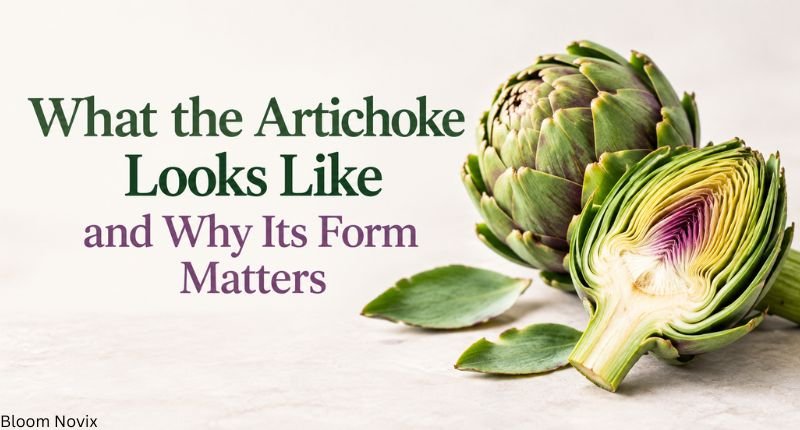
Picture a round bud wrapped in dozens of tight, green protective leaves. Each leaf overlaps the next like scales on armor. Some tips even carry a small, sharp point, a quiet warning that this plant does not open up to just anyone.
Inside this shell sits the real prize: a tender, pale heart. You will not see it until you work through every layer first. This design gives the plant its strongest meaning.
- The tough outer shell suggests protection and defense.
- The soft artichoke heart stands for honesty and vulnerability.
- The slow reveal mirrors how people open up over time.
If left to bloom, the plant grows into a striking purple flower. That single detail turns a simple vegetable into a symbol worth exploring further.
Look closely and you will notice the leaves grow in a spiral pattern around the center. Nature rarely wastes structure like this without reason. That spiral has inspired comparisons to a journey, one that circles inward until it reaches something true. Even the texture changes as you move inward, from rough and fibrous to soft and smooth, adding one more physical detail that mirrors human emotional layers.
What Artichokes Commonly Mean in the United States
In America, people connect the artichoke with nourishment, hospitality, and a taste for something a little different. It shows up most often where Mediterranean cooking traditions took root, like coastal California towns.
Beyond the kitchen, the plant carries a simple lesson: things are not always what they seem at first glance. A person, a situation, or even a meal can look difficult at first. Patience often reveals something worth the effort.
| Context | Meaning in the USA | Color Symbolism | Common Associations |
| Personal growth | Discovering hidden qualities | Green: growth, renewal | Patience, maturity |
| Food culture | Hospitality and sharing | Green: abundance | Family meals, gatherings |
| Tattoos | Strength behind protection | Purple: royalty | Identity, resilience |
| Home design | Natural beauty | Purple: elegance | Organic style |
| Relationships | Emotional openness | Green: trust | Understanding, vulnerability |
No single meaning fits every situation. The right interpretation always depends on where and how people use the symbol.
Ancient Roots and Early Symbolic Associations
Long before the artichoke reached American tables, related thistle plants grew across the Mediterranean. Farmers there cultivated them for food, medicine, and trade thousands of years ago.
Greek and Roman households prized the plant. Successful harvests meant a stable, well-fed community, so the artichoke became tied to prosperity and fertile land. Only wealthier tables saw it regularly, which added a hint of luxury to its reputation.
Over time, the plant moved from a rare treat into a broader cultural symbol tied to care, patience, and reward.
Ancient physicians also valued the artichoke for medicinal use, particularly for digestion. That practical role added another layer of respect around the plant, linking it not just to wealth but to wellness. A food that both nourished the body and demanded effort to prepare naturally earned a reputation for being worth the wait.
The Myth of Cynara: The Greek Origin Story of the Artichoke
Greek mythology gives the artichoke a far richer backstory than most people realize, and the competitor article you’re up against skips this entirely.
The story goes that Zeus fell for a mortal woman named Cynara. He brought her to Mount Olympus to live among the gods. Homesick, she slipped away one day to visit her family. Furious, Zeus turned her into a thistle-like plant: the artichoke. Stories like this show how flowers and plants have long been woven into myths and symbolism, much like the fascinating history behind the American Beauty Rose.
This myth adds new layers to the symbol:
- The plant represents longing and homesickness.
- It reflects how love can turn complicated or bittersweet.
- Its prickly exterior mirrors Cynara’s independent spirit.
Botanists even named the artichoke’s genus Cynara after her, keeping the legend alive in science as well as folklore.
Some versions of the myth describe Cynara as the youngest of the sea god’s daughters, which explains her striking, otherworldly beauty. Zeus supposedly noticed her while visiting her family, not the other way around, making her transformation feel more like punishment for choosing home over Olympus. That detail gives the myth a bittersweet edge, tying the artichoke to themes of choice, consequence, and staying true to where you belong.
How Layers Became a Symbol of Personal Growth
Peeling an artichoke takes real effort. Each leaf has to come off before you reach anything worth eating. That process built a natural comparison to human growth.
People often use the plant to describe:
- learning through life experiences
- building emotional strength over time
- protecting personal limits
- revealing true character slowly
| Layer of the Artichoke | What It Represents |
| Outer, tough leaves | First impressions, guardedness |
| Middle leaves | Trust building, shared history |
| Inner soft leaves | Growing closeness, honesty |
| The heart | Authentic self, true value |
Calling someone “complex” no longer sounds like criticism through this lens. It sounds like a compliment worth earning.
This idea shows up often in modern conversations about relationships and self-development. People rarely reveal everything about themselves right away, and that is not a flaw. It is simply how genuine connection tends to work. The artichoke suggests that rushing past someone’s outer layers means missing the most valuable part entirely.
Protection and Emotional Boundaries
Those tough outer leaves do more than look sturdy. They shield the plant’s soft center from wind, pests, and harsh weather, much like healthy emotional boundaries shield a person’s true self.
Modern conversations about mental health treat boundaries as an act of self-care, not coldness. The artichoke tells the same story through nature.
- Outer leaves stand for defense.
- The heart stands for openness.
- The careful reveal stands for trust.
Setting limits does not mean shutting people out forever. It means deciding who earns access to what matters most.
Psychologists often describe healthy boundaries the same way. A boundary is not a wall built to keep everyone out permanently. It works more like a gate, one that opens for people who show they can be trusted with honesty and care. The artichoke simply gives that idea a physical, edible shape.
Artichoke Flower Color Symbolism (The Purple Bloom)
Most people never see an artichoke bloom because it gets harvested young. Left alone, though, it opens into a bold purple-blue flower, and this detail carries meaning most articles overlook completely. The striking bloom also highlights how flowers can take on symbolic meaning through their color and appearance, as seen in the rich symbolism associated with lilacs.
Purple has long stood for royalty, wisdom, and spiritual depth across many cultures. When paired with the plant’s protective green shell, the flower tells a fuller story:
- Green leaves: growth, renewal, and everyday resilience.
- Purple bloom: elegance, spiritual insight, and reward for patience.
- The shift from green to purple: transformation earned through time.
This color journey adds a visual layer to everything the plant already represents.
Florists and artists sometimes use this exact color shift, from muted green to rich purple, to represent maturity or a coming-of-age moment. A young artichoke still feels guarded and unfinished, while the blooming version feels confident and fully realized. That progression makes the flower a fitting symbol for anyone moving through a major personal transition.
Artichoke Symbolism in American Food Culture
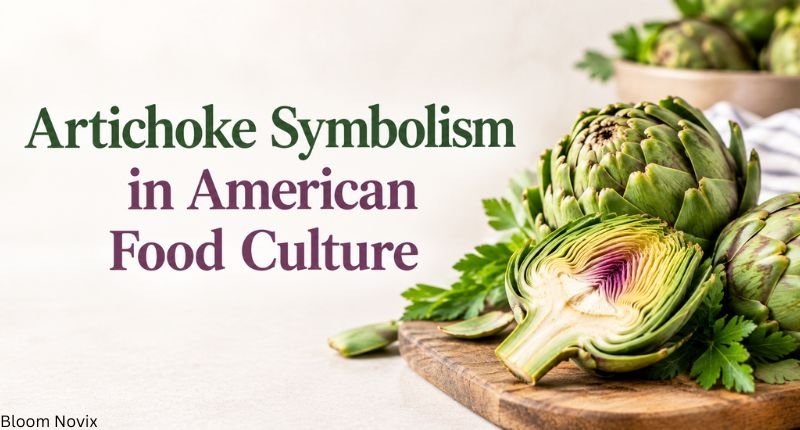
Food carries meaning far beyond taste, and the artichoke fits that idea well. In the United States, it appears at family dinners, restaurant appetizers, and holiday tables tied to Mediterranean cooking traditions.
Eating one forces you to slow down. You pull each leaf, dip it, and scrape the tender base with your teeth before reaching the heart. That process naturally invites conversation.
- It encourages sharing rather than rushing.
- It turns a meal into a small ritual.
- It rewards patience with a satisfying payoff.
Few vegetables ask this much interaction from the people eating them, which is exactly why it earned a place in family meals and gatherings across generations.
Restaurants often serve artichokes as a shared starter rather than an individual plate. That choice reinforces the idea of community around the table. Passing leaves back and forth, comparing dipping sauces, and laughing over the messy process all turn a simple appetizer into a memory worth repeating.
Cross-Cultural Meanings of the Artichoke
Meanings shift depending on where you look, though a few themes repeat across borders.
- Mediterranean cultures connect the plant to seasonal harvests and culinary tradition.
- European art sometimes used artichoke-like shapes to suggest agricultural abundance.
- Italian and French tables treat it as a mark of good taste and careful cooking.
These older meanings differ from personal, modern symbolism, yet they share one idea: the artichoke represents something worth appreciating, not rushing.
In parts of Spain and southern France, entire festivals still celebrate the seasonal artichoke harvest. Communities gather to cook, trade recipes, and mark the plant’s arrival each year. That kind of tradition shows how deeply the artichoke stayed woven into regional identity long after it left its ancient origins behind.
Read Also: Unbloomed Flower Names
Biblical and Religious Symbolism of the Artichoke
Thistle-family plants, the artichoke’s closest relatives, appear in religious texts more often than people expect.
In the Book of Genesis, thorns and thistles symbolize hardship that follows humanity after leaving Eden. That connection gives the artichoke a layer of meaning tied to labor, struggle, and eventual reward.
- The thorny exterior echoes themes of hardship.
- The hidden heart reflects the idea that grace or value survives difficulty.
- Some readers see the plant as a quiet symbol of redemption through patience.
No major religion treats the artichoke as a formal spiritual emblem, but its thistle roots keep this symbolism alive in scripture-based interpretation.
Some folk traditions in Mediterranean villages also used thistle-family plants as protective charms, hanging dried stems near doorways to ward off misfortune. While this practice sits closer to folklore than formal religion, it adds another layer to the plant’s long-standing reputation as a symbol of protection against harm.
Emotional and Psychological Meaning of the Artichoke
The artichoke’s structure naturally lines up with several emotional themes people relate to every day.
Resilience
The tough leaves survive weather, pests, and rough handling while the center stays protected. That toughness mirrors how people carry stress without losing their core identity. Even after a difficult season, the plant keeps producing new growth, which makes it a fitting emblem for bouncing back after hardship.
Authenticity
The hidden heart only appears once someone puts in the effort. It represents the parts of a person that surface only through genuine connection. People who feel safe enough to drop their guard often describe the experience as finally being seen for who they really are.
Patience
Reaching the center takes time and care. The plant reminds people that rewarding outcomes rarely arrive instantly. Whether it is a relationship, a skill, or a personal goal, the artichoke suggests that rushing the process usually costs more than it saves.
Self-Respect
Outer layers are not walls meant to isolate. They represent healthy limits that protect without shutting the world out completely. Choosing when and how to open up, rather than doing it for everyone, reflects a quiet form of self-respect worth admiring.
Artichoke Symbolism in Dreams
Dream interpretation adds a personal, almost private layer to artichoke meaning, and it is a section most competitor articles skip.
- Eating an artichoke in a dream often points to uncovering a hidden truth in waking life.
- Growing one in a dream suggests patience will soon pay off.
- Receiving one as a gift in a dream hints at someone offering you trust or honesty.
- A wilted or rotten artichoke may signal missed opportunities or guarded feelings left unresolved.
Dream symbols shift based on personal context, so these interpretations work best as starting points rather than fixed rules.
Pay attention to the emotions felt during the dream as well. Frustration while peeling the leaves might point to impatience in waking life, while satisfaction after reaching the heart could reflect confidence that a current struggle will pay off soon. Dreams rarely deliver a single fixed message, and the artichoke’s layered nature makes it especially open to personal interpretation.
Is the Artichoke a Birth Flower? Zodiac and Astrological Connections
The artichoke is not an official birth flower, but its thistle relatives carry loose ties to Virgo, the earth sign known for precision and careful habits. This makes it an interesting plant to consider alongside traditional April birth flower choices, each with its own history and symbolism.
- Virgo traits include patience, attention to detail, and practical thinking.
- The artichoke demands the same qualities to prepare and enjoy properly.
- Earth signs generally connect with grounded, protective symbols like this one.
While not a formal astrological symbol, the overlap between Virgo traits and artichoke symbolism makes an interesting personal connection for anyone drawn to both.
Some astrology enthusiasts also point to the artichoke’s slow-blooming nature as a match for earth signs in general, including Taurus and Capricorn. These signs value steady progress over quick wins, which lines up neatly with a plant that rewards only the most patient gardeners and cooks.
Why Artichokes Appear in Tattoos and Personal Style
Artichoke tattoos stay rare compared to roses or butterflies, which is exactly why some people choose one. A less common symbol often carries more personal weight.
People pick this design to represent:
- overcoming hard experiences
- protecting personal identity
- embracing complexity instead of hiding it
- valuing inner qualities over surface appearance
Some tattoos lean realistic, showing every leaf in detail. Others simplify the shape into clean line art. Either way, the meaning usually connects to a personal story rather than a universal rule.
Placement often carries its own weight too. A tattoo near the chest may emphasize the heart symbolism directly, while one on the forearm might simply celebrate the plant’s unusual, eye-catching shape. Many people also pair the artichoke with other botanical designs to build a fuller, more personal story across their skin.
Artichoke Symbolism in Gift-Giving
Giving someone an artichoke carries quiet symbolism that rarely gets discussed, yet it fits the plant’s themes perfectly.
- Offering one can represent extending trust to someone new.
- It can signal an invitation to get to know the real you, layer by layer.
- Sharing one at a meal often symbolizes openness and connection between people.
A gift this unusual tends to spark conversation, which only adds to its symbolic weight around trust and patience.
Pairing an artichoke with a handwritten note about patience or growth can turn a simple food gift into something far more thoughtful. It works especially well for milestones tied to personal change, like a new job, a fresh start, or overcoming a hard season, since the plant’s meaning fits those moments so naturally.
Artichoke Symbolism in Art, Fashion, and Home Decor
The artichoke’s repeating layers create a shape that artists and designers love to work with. That pattern translates well into textiles, prints, and decorative objects.
In home design, artichoke imagery often suggests:
- natural, organic living
- appreciation for craftsmanship
- a connection to gardens and slow living
Fashion designers borrow the shape for texture-heavy pieces, while illustrators use it to blend strength with softness. Few plants combine a guarded exterior with such a delicate interior, which keeps it visually interesting across creative fields.
Ceramic artists frequently mold artichoke-shaped bowls and vases, leaning into the plant’s natural symmetry. Wallpaper and fabric designers use the repeating leaf pattern to create a sense of movement without feeling busy or overwhelming. Even minimalist home styles borrow a single dried artichoke as a centerpiece, letting its shape speak for itself.
Artichoke Symbolism in Gardening and Personal Cultivation
Growing an artichoke tests a gardener’s patience in ways few vegetables do, and that struggle carries its own symbolism.
- The plant can take a full growing season, sometimes longer, before producing a harvest.
- It needs consistent care, proper spacing, and the right climate to thrive.
- Many gardeners describe the eventual harvest as deeply satisfying after the wait.
This slow timeline reflects personal growth outside the garden too. Real change rarely happens overnight, and the artichoke’s growing cycle proves that patience usually pays off.
Gardeners often describe the plant as a teacher disguised as a vegetable. It punishes impatience, rewards consistency, and forgives small mistakes as long as care continues. Anyone working through a slow personal goal, from a fitness journey to a career change, can find a fitting metaphor in a plant that simply refuses to be rushed.
Modern Digital Culture and Identity Symbolism
Online spaces have expanded how people use everyday objects to express personality, and the artichoke fits right in. It shows up in food blogs, lifestyle branding, and casual social posts about self-discovery.
Because the plant represents hidden depth, it fits naturally into conversations about:
- personal journeys
- accepting complexity
- authenticity over performance
Its odd shape and slow-to-eat nature also make it a favorite for lighthearted humor online, proving symbolism can be meaningful and fun at the same time.
Content creators sometimes use the artichoke as a visual shorthand for “getting to know the real me,” pairing it with captions about mental health, boundaries, or personal growth. This casual, everyday use shows how quickly an old symbol can find new life once it reaches a digital audience hungry for relatable metaphors.
Common Misunderstandings About Artichoke Symbolism
Not every claim about artichoke symbolism holds up to scrutiny. Some interpretations get stretched further than history or culture actually supports.
- It is not a universal spiritual object recognized across all religions.
- Its meaning depends heavily on context, not a single fixed definition.
- Most of its symbolism traces back to its physical shape and farming history, not ancient prophecy or magic.
Treat broad claims with a healthy dose of skepticism, and lean on the plant’s real, well-documented associations instead.
Another common myth suggests the artichoke has a single, official spiritual meaning shared across every culture. In reality, its symbolism formed gradually through farming, mythology, and personal interpretation, not through one unified tradition. Recognizing this helps readers separate genuine history from content written purely to chase search traffic.
How Artichoke Meaning Has Changed Over Time
Early symbolism stayed close to the ground, tied directly to farming and food. Over centuries, people layered new, more personal meanings on top of those roots.
Earlier associations focused on:
- successful harvests
- general abundance
- culinary tradition
Modern interpretations focus more on:
- personal identity
- emotional protection
- growth through patience
This shift shows a common pattern: practical, everyday objects slowly turn into symbols for deeper human experiences.
Social media accelerated this change even further. A plant that once appeared mainly in cookbooks now shows up in therapy-inspired content, self-help posts, and personal branding. That leap from farmland to feed reflects how quickly meaning can evolve once a symbol resonates with a wider, more emotionally driven audience.
Positive and Negative Interpretations of the Artichoke
Most artichoke symbolism leans positive, though a few readings carry more caution.
| Positive Meanings | Negative Meanings |
| Resilience | Emotional guardedness |
| Patience | Difficulty opening up |
| Protection | Appearing overly complicated |
| Authenticity | Slow to trust others |
| Abundance | Missed connections from excess caution |
Neither side cancels the other out. Protection can be healthy, but too many barriers can quietly block real connection. The balance between guarding yourself and letting others in is really what this symbol is about.
Think of the artichoke as a reminder rather than a rulebook. Some seasons of life call for more guarded leaves, while others call for opening up faster. Reading the symbol through your own circumstances, rather than a fixed formula, tends to bring out its most useful meaning.
Frequently Asked Questions
What does artichoke symbolism represent?
It represents protection, patience, and hidden beauty. The layered structure reflects how meaningful qualities often stay hidden until someone takes the time to look closer.
What does an artichoke tattoo mean?
It usually represents resilience and individuality. Most people choose this design to reflect a personal story rather than a widely shared meaning.
Is the artichoke a spiritual symbol?
Not in any single formal religion. Some people use it personally to represent growth, protection, or inner discovery.
Why does the artichoke represent hidden beauty?
Its tender heart stays covered by tough outer leaves. That contrast creates a natural metaphor for value that takes effort to uncover.
What does an artichoke symbolize in American culture?
It ties closely to hospitality, food traditions, and appreciating experiences that require patience rather than instant results.
Can artichokes symbolize strength?
Yes. The protective outer leaves reflect strength, while the tender heart shows that softness can survive underneath.
What does it mean to dream about an artichoke?
It often points to uncovering a hidden truth. The specific meaning shifts depending on whether you are eating, growing, or receiving one in the dream.
What is the myth of Cynara and the artichoke?
Greek mythology says Zeus turned a mortal woman named Cynara into the plant. The story ties the artichoke to longing, independence, and complicated love.
Is the artichoke connected to a zodiac sign or birth month?
It is not an official birth flower, but its careful, detail-driven nature loosely echoes traits linked to Virgo.
What does it mean to give someone an artichoke as a gift?
It can symbolize trust and an invitation to get closer. Sharing one often signals openness between the people involved.
Conclusion
Artichoke symbolism goes far beyond a simple vegetable on a dinner plate. Its layered shell, hidden heart, and rich mythology turn it into a powerful metaphor for protection, patience, and personal growth. From ancient Greek legend to modern tattoo art, this plant keeps finding new ways to represent the human experience. Few symbols capture the balance between guardedness and vulnerability quite this well.
Next time you see one, you will probably notice more than just dinner. You might think of Cynara’s myth, the purple bloom hiding inside, or the quiet lesson about patience each leaf teaches. Like the plant itself, everyone carries protective layers while holding something valuable underneath. Understanding that balance may be the artichoke’s most lasting gift.

BloomNovix is managed by an experienced team of content writers and SEO specialists with 4+ years of expertise in gardening and plant care. We provide well-researched guides, gardening tips, and insights on floral meanings to help plant lovers grow their indoor and outdoor gardens with confidence.