
Have you ever watched a flower change color when a few drops of lemon are added to its tea? The butterfly pea flower meaning is just as fascinating as its vivid blue color. Known for its delicate, butterfly-shaped blooms, this flower has become associated with transformation, peace, beauty, and renewal.
But there is more to butterfly pea than its striking appearance. Clitoria ternatea has a long history of use in Southeast Asian traditions, herbal drinks, and natural coloring. Its symbolism also varies depending on the color, culture, and personal beliefs surrounding it.
In this guide, you will discover the butterfly pea flower meaning and symbolism, its spiritual associations, different flower colors, traditional uses, potential health benefits and risks, and tips for growing it at home. By the end, you will have a clearer picture of why this unusual blue flower has captured so much attention.
What Is the Butterfly Pea Flower?
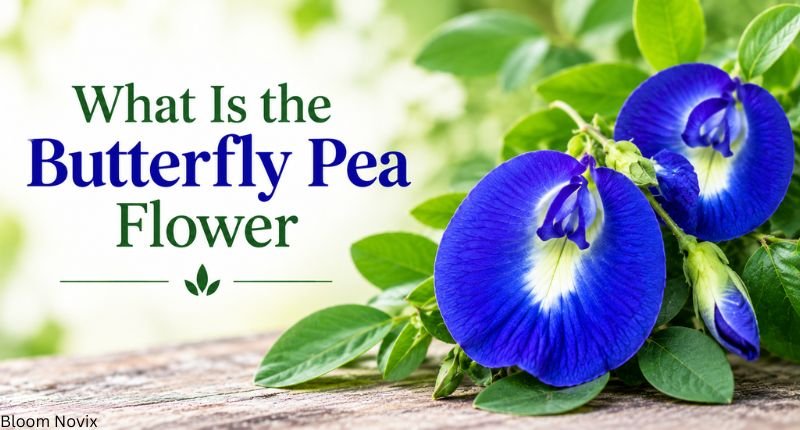
The butterfly pea flower comes from Clitoria ternatea, a flowering plant in the pea family. It grows as a climbing vine and produces distinctive flowers with petals that resemble a butterfly, which is where its common name comes from.
Native to Southeast Asia, the plant now grows in many warm and tropical regions around the world. With plenty of sunlight and suitable soil, it can grow quickly and produce flowers throughout the growing season.
Key facts about the plant:
- Color: Deep blue is the best-known color, with white and less common red or pink forms also found
- Flower size: Small to medium-sized flowers with a distinctive butterfly-like shape
- Growth type: Fast-growing flowering vine
- Common uses: Herbal tea, natural food coloring, traditional remedies, and ornamental gardening
The flowers are also edible, which makes butterfly pea especially interesting. They are commonly used to add natural blue color to teas, drinks, desserts, and other foods.
Butterfly Pea Flower Meaning and Symbolism
The core butterfly pea flower meaning is often connected with transformation, inner beauty, and personal growth. Its striking blue color and delicate appearance make it a meaningful symbol of change and self-discovery. It can remind us that growth is not always obvious at first and that some changes take time to unfold.
The flower is also associated with:
- Purity — its delicate appearance can symbolize simplicity and innocence
- Renewal — its growth cycle can represent fresh starts and new beginnings
- Feminine energy — its soft petals are sometimes associated with gentleness, grace, and quiet strength
- Hope — its vivid blue color can represent optimism and positive change
Another meaningful idea connected with the butterfly pea flower is patience. Its delicate blooms are a reminder that growth has its own rhythm. Personal change can happen gradually, and not every stage needs to be visible to be meaningful.
Butterfly Pea Flower Spiritual Meaning
The butterfly pea flower spiritual meaning is often connected with inner peace, awareness, and personal reflection. Its deep blue color gives it a natural association with calmness, while its use in traditional herbal practices has added to its spiritual appeal.
It is sometimes associated with:
- Clarity of thought — symbolizing a calm and focused mind
- Intuition — linked with inner awareness and self-reflection
- Spiritual awakening — representing personal growth and a deeper understanding of oneself
- Energetic cleansing — associated in some spiritual beliefs with releasing negative thoughts and emotions
The spiritual meaning becomes especially interesting when the flower is used as part of a quiet ritual. Butterfly pea tea, for example, can be enjoyed during meditation, journaling, or moments of reflection. For some people, the peaceful blue color and simple ritual create a calming setting for turning inward.
Rather than having one fixed spiritual meaning, the butterfly pea flower can represent clarity, inner peace, intuition, and personal transformation, depending on the tradition or personal belief behind it.
Blue Butterfly Pea Flower Meaning
Blue is the most familiar color of the butterfly pea flower, and it carries a meaning closely connected with peace and tranquility. Its deep blue shade often brings to mind the calmness of the sky and ocean. This connection is also common in the symbolism of blue flowers and their meanings, where blue blooms are often associated with calmness, trust, and depth.
The blue butterfly pea flower represents:
- Calmness — often associated with relaxation and peace
- Trust — blue commonly symbolizes honesty and dependability
- Depth — its rich color can suggest reflection, wisdom, and deeper thought
- Communication — blue is sometimes linked with expressing thoughts and feelings clearly
Beyond simple calmness, blue butterfly pea can also represent emotional stability and inner peace. Its soft, peaceful symbolism makes it a natural fit for conversations about relaxation, reflection, and balance. The flower is also widely used to make butterfly pea tea, whose naturally deep-blue color is one of its most recognizable features.
Red Butterfly Pea Flower Meaning
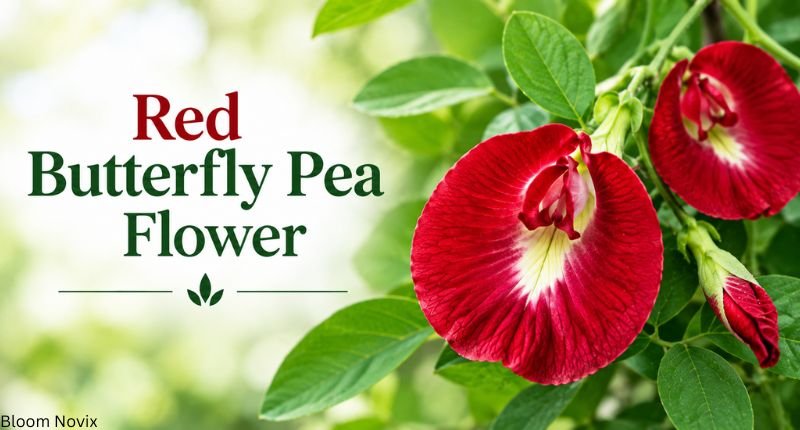
Red butterfly pea flowers are rare and less discussed, but they can suggest a different side of the flower’s symbolism. While blue is often associated with calmness, red is more commonly linked with passion, energy, and strong emotions. These associations can also be seen in the symbolism of red flowers, such as the American Beauty rose.
This variety symbolizes:
- Passion — the natural association of red with strong emotion
- Vitality — a sign of life force and energy
- Courage — red often represents boldness in color symbolism
- Contrast — its rarity makes it a symbol of uniqueness
Red butterfly pea flowers are much rarer than the familiar blue variety. They are not a completely different species, but a less common color form of the same plant, Clitoria ternatea. This unusual color is one reason red butterfly pea stands out among the different varieties of butterfly pea flowers.
Butterfly Pea Flower Spiritual Benefits
Beyond symbolism, the flower is used actively in spiritual practice. These are the butterfly pea flower spiritual benefits most people search for.
- Supports meditation by encouraging a calm, focused state
- Believed to open intuition, especially before quiet reflection
- Used in cleansing rituals to shift heavy or stagnant energy
- Associated with balance between the mind, body, and spirit
In practice, the dried flower is steeped in warm water and consumed slowly, often in silence, right before meditation. The ritual itself, not just the flower, is what people believe creates the spiritual effect.
Read Also: Cardinal Flower Symbolism
Butterfly Pea Flower in Witchcraft and Rituals
In some modern spiritual and witchcraft practices, butterfly pea flower is used as a symbol of transformation, peace, intuition, and intention. Its vivid blue color and natural color-changing reaction can make it especially appealing for personal rituals and reflective practices.
Some practitioners may use butterfly pea flower in ways such as:
- Intentional tea rituals — drinking the tea while focusing on an intention, such as calmness, clarity, or personal growth
- Bath rituals — adding suitable flower preparations to water as part of a personal cleansing practice
- Altar displays — placing dried flowers on an altar to represent peace, intuition, or transformation
- Color symbolism — viewing the change from blue to purple or pink as a visual reminder of change and personal transformation
The color change can be particularly meaningful in a ritual setting. Watching the blue tea shift after adding lemon may serve as a simple visual symbol of how circumstances can influence change. For practitioners who connect with manifestation or intention-setting, this transformation can become a personal reminder to stay open to growth and new possibilities.
Cultural and Religious Significance
The flower holds deep meaning across several cultures, and each one adds a unique layer to its story.
| Culture | Symbol / Meaning | Common Use |
| Hindu Tradition | Known as “Aparajita,” meaning undefeated | Offered to Goddess Durga and Lord Shiva |
| Thai Culture | Symbol of protection and good fortune | Used in folk medicine and folklore |
| Ayurveda | Represents balance and mental clarity | Used to support memory and calmness |
| Southeast Asia (general) | Symbol of natural beauty and simplicity | Used in food coloring and tea |
In Hindu belief, the name “Aparajita” reflects strength that cannot be defeated. It is often offered during prayer because of this powerful meaning. In Thailand, folklore describes the flower’s healing power being discovered through a guiding spirit, which is why it still holds a protective role today.
Why Does Butterfly Pea Flower Change Color?
One of the most fascinating things about butterfly pea flower tea is how its color changes when you add an acidic ingredient such as lemon juice. The change is not magic—it comes from natural pigments in the flower reacting to a change in pH.
Here is how it works:
- Butterfly pea flowers contain natural pigments called anthocyanins
- These pigments are sensitive to changes in pH
- The tea starts out deep blue when brewed in water
- Adding an acidic ingredient, such as lemon juice, can shift the color toward purple, pink, or reddish shades
- The exact color can vary depending on the acidity and concentration of the tea
This natural color change is part of what makes butterfly pea tea so distinctive. It also gives the flower an interesting connection to the idea of transformation, since a simple change in its surroundings can produce a visibly different color.
Butterfly Pea Flower Tea
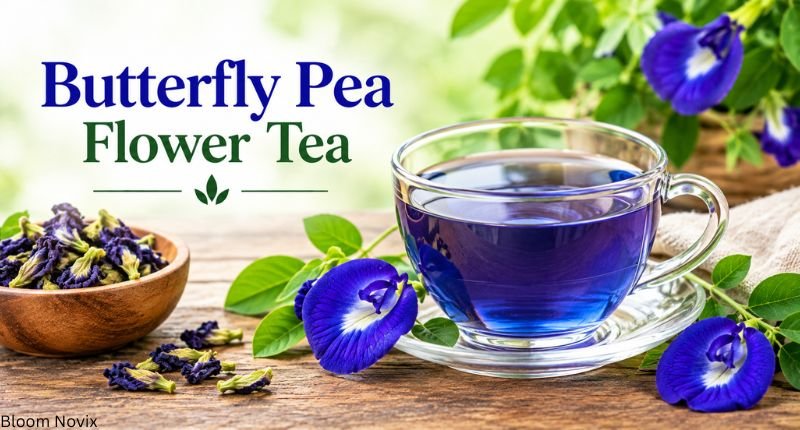
Butterfly pea flower tea is one of the most popular ways to enjoy this plant. It is made by steeping dried butterfly pea flowers in hot water, producing a naturally deep-blue drink.
How to Make Butterfly Pea Flower Tea
- Add a few dried butterfly pea flowers to a cup or teapot.
- Pour hot water over the flowers.
- Let them steep for several minutes until the water turns deep blue.
- Strain the flowers and enjoy the tea as it is, or add honey, lemon, or mint.
Adding lemon is especially interesting because its acidity can shift the tea from blue toward purple or pink. This simple color change is one of the most recognizable features of butterfly pea tea.
The tea itself has a mild, slightly earthy flavor rather than a strong floral taste. Because of this, many people pair it with lemon, honey, mint, or other ingredients to create a more refreshing drink.
Butterfly Pea Flower Tea Benefits
The butterfly pea flower tea benefits are often discussed in traditional herbal practices, but it is important to distinguish traditional use from benefits that have been clearly established through human research. The flowers contain natural plant compounds, including anthocyanins, which are responsible for their deep blue color and have antioxidant properties.
Some commonly discussed benefits and uses include:
- Antioxidant properties — butterfly pea flowers contain plant compounds with antioxidant activity
- Relaxing tea ritual — drinking a warm cup can be part of a calming routine or quiet moment
- Traditional wellness use — butterfly pea has been used in traditional herbal practices for various purposes
- Natural blue color — the tea provides a vivid blue color without artificial food coloring
Butterfly pea tea is best viewed as a herbal beverage rather than a treatment for a health condition. If you drink it regularly or use concentrated herbal preparations, moderation is sensible, especially because research on its long-term effects in humans is still limited.
Butterfly Pea Flower Side Effects
Butterfly pea flower is commonly used in teas and foods, but that does not mean it is completely free of risks. Research on its safety, especially with long-term or high amounts, is still limited. Some people may experience unwanted effects, particularly if they are sensitive to the plant or consume large amounts.
Possible concerns include:
- Stomach discomfort — larger amounts may cause digestive upset in some people
- Nausea — sensitive individuals may feel nauseous after consuming butterfly pea preparations
- Allergic reactions — people with known plant or legume allergies should be cautious
- Pregnancy and breastfeeding — there is not enough reliable safety information to recommend medicinal or concentrated amounts without medical advice
Safety Considerations
| Concern | What to Consider |
| Large or concentrated amounts | Avoid excessive consumption, especially when safety data are limited |
| Pregnancy or breastfeeding | Ask a healthcare professional before using concentrated preparations |
| Known allergies | Avoid butterfly pea if you have a known allergy to it or related plants |
| Children | Use caution and speak with a pediatric healthcare professional before regular use |
For occasional use in food or tea, the amount consumed is typically much smaller than concentrated herbal preparations. If you develop symptoms such as persistent nausea, stomach problems, swelling, rash, or difficulty breathing after consuming butterfly pea, stop using it and seek appropriate medical advice.
See Also: Flower Of Life Symbolism
How to Grow and Care for Butterfly Pea Flower
This flower is surprisingly easy to grow, even for beginners. It rewards very little effort with fast, colorful blooms.
Basic care guide:
- Sunlight: Full sun for at least 6 hours a day
- Soil: Well-drained soil, not overly wet
- Water: Moderate watering, avoid overwatering
- Support: Provide a trellis or fence, since it is a climbing vine
- Growth speed: Fast-growing, often blooming within a few months
Butterfly Pea Flower as a Gift or Ritual Offering
Because of its symbolism, this flower is often chosen for meaningful gifts and offerings, not just decoration.
It is commonly given or used for:
- Spiritual gifts, representing clarity and calm
- Wellness gifts, such as tea sets or dried flower packs
- Religious offerings, especially in Hindu traditions
- Housewarming gifts, symbolizing peace in a new space
Giving this flower is less about romance and more about intention. It sends a message of calm, balance, and quiet strength rather than passion or excitement.
FAQs
What does the butterfly pea flower symbolize?
It symbolizes transformation, purity, and renewal. The overall butterfly pea flower meaning centers on quiet, steady personal growth.
Is the butterfly pea flower considered good luck?
Yes, in several Asian cultures it is seen as a symbol of protection and good fortune.
What chakra is the butterfly pea flower associated with?
It is commonly linked to the Third Eye Chakra, which relates to intuition and inner vision.
Why does butterfly pea flower change color?
It changes color because of natural pigments called anthocyanins reacting to pH levels in liquid.
Can you drink butterfly pea flower tea every day?
Yes, but only in moderate amounts, ideally one to two cups a day.
Is the butterfly pea flower toxic to humans or pets?
No, it is generally safe, though large amounts may cause mild stomach upset.
What is the difference between blue and red butterfly pea flowers?
Blue is common and symbolizes calm, while red is rare and represents passion and energy.
What does the butterfly pea flower mean in Hindu culture?
It is called “Aparajita,” meaning undefeated, and is offered to Goddess Durga and Lord Shiva.
Conclusion
The butterfly pea flower meaning goes beyond its striking blue color. Its unusual appearance, traditional uses, and different symbolic associations have made it a memorable flower in many cultures. It can represent transformation, peace, balance, and quiet strength, while its different colors add another layer of meaning.
Whether you grow butterfly pea at home, enjoy its flowers in tea, or simply appreciate its symbolism, there is something special about this unique bloom. Its changing color is a simple reminder that change does not always have to be dramatic. Sometimes, even a small shift can create something beautiful.
BloomNovix is managed by an experienced team of content writers and SEO specialists with 4+ years of expertise in gardening and plant care. We provide well-researched guides, gardening tips, and insights on floral meanings to help plant lovers grow their indoor and outdoor gardens with confidence.
2 thoughts on “Butterfly Pea Flower Meaning: Symbolism, Spiritual Benefits & Uses”