Have you ever watched a flower bud puff up like a tiny balloon just before it opens? That unusual little bud is one of the things that makes the balloon flower so interesting. But its meaning is just as special as its appearance.
The balloon flower meaning is often connected with enduring love, honesty, devotion, and constancy. It can be given to someone when you want to express feelings that stay strong over time.
In this guide, we’ll look at what the balloon flower means, what its different colors symbolize, and why it holds a special place in Japanese, Chinese, and Korean traditions. We’ll also cover how to grow it and some of the ways this beautiful flower is used beyond the garden.
What Is a Balloon Flower?
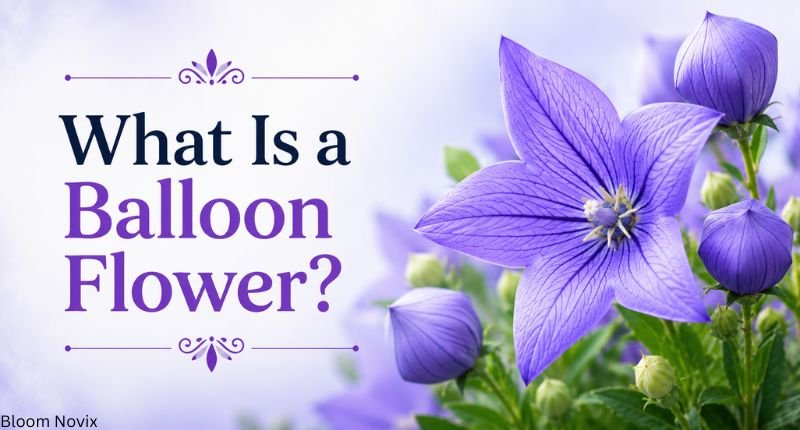
Botanically, the balloon flower is called Platycodon grandiflorus. It’s a perennial, which means you can expect it to come back each year. It’s also part of the bellflower family, Campanulaceae. This family connection is why some people also call it a Japanese, Chinese, or Korean bellflower.
You can easily spot this plant in a garden because of its round buds, which puff up like little balloons before they open. When the flowers bloom, they show off star-shaped blooms with five-pointed petals. This unique shape is one of the things that makes the flower so appealing. If you like discovering unusual flowers, you can also check out our guide to ugly flower names for a few interesting examples.
Physical Characteristics
The balloon flower grows to about 1 to 2.5 feet tall. Its leaves are toothed and slightly blue-green. And here’s what never changes — those swollen flower buds. Right before they bloom, they puff up like tiny air-filled balloons, and honestly, that’s the whole reason this flower got its name.
- Height: 12 to 30 inches
- Bloom shape: Star-shaped with five petals
- Bud shape: Round and balloon-like
- Bloom season: Mid to late summer
- Leaf type: Toothed, oval, blue-green
Natural Habitat
This flower is native to East Asia, including parts of China, Korea, Japan, and eastern Russia. It grows naturally on hillsides, in meadows, and along grassy slopes. Over time, gardeners around the world adopted it for its unique shape and long bloom time.
Balloon Flower Meaning and Symbolism
So, what is the real balloon flower meaning? At its core, this flower stands for feelings that last. It is not about short bursts of emotion. It is about steady, quiet devotion that grows stronger with time.
The bud-to-bloom process plays a big role in this. A closed bud slowly reveals its full shape, much like trust or love that builds over time rather than all at once.
Key Meanings
Here are the main ideas connected to this flower:
- Enduring love – feelings that remain strong over the years
- Devotion – deep and lasting loyalty
- Honesty – sincere, genuine emotion
- Constancy – staying faithful through change
- Hope – the slow opening bud reflects positive change
Perfect For
Because its meaning is warm and versatile, this flower fits many moments in life. It works well as a gift for:
- Anniversaries and long-term relationships
- Close friendships built on trust
- Someone going through a big life change
- A simple thank-you gift with real depth
Read More: Tiger Lily vs Daylily
Balloon Flower Symbolism by Color
Color changes the tone of the message. While the base meaning stays connected to lasting love, each shade adds its own layer.
White Balloon Flower Meaning
The white balloon flower meaning represents purity, innocence, and genuine affection. White flowers usually feel calm and simple, and this variety is no different.
Give white balloon flowers when you want to express:
- Sincere friendship
- Peace and calm
- New beginnings
- Quiet respect
Blue Balloon Flower Meaning
The blue balloon flower meaning is closely related to trust, loyalty, and emotional stability. Blue is often linked to calmness, and this color pairs beautifully with the flower’s message of steady devotion.
Blue balloon flowers work well for:
- Long friendships
- Relationships built on trust
- Moments that need a calm, steady message
Purple Balloon Flower Meaning
The purple balloon flower meaning relates to admiration, elegance, and dignity. Purple has always carried a sense of richness, and here it adds a touch of romance to the flower’s usual symbolism.
This shade suits:
- Expressing deep respect
- Romantic gestures with an elegant tone
- Celebrating someone’s achievements
Pink Balloon Flower Meaning
The pink balloon flower meaning brings softness into the picture. Pink is tied to gentleness, tenderness, and warm affection. It feels lighter and more playful than the deeper purple or blue shades.
Pink is a lovely pick for:
- New relationships
- Celebrating a friendship
- A soft, caring gesture
Red Balloon Flower Meaning
Red balloon flowers are rare, but when you find one, its bright red color can suggest passion and strong romantic feelings. Balloon flowers usually represent quiet devotion, while red gives that meaning a deeper, more romantic feel. For another red flower with strong romantic symbolism, you can also explore the American Beauty Rose.
Available Colors (Overview)
Here is a quick table to compare the meaning of each shade at a glance.
| Color | Core Symbolism | Best Used For |
| White | Purity, sincerity, peace | Friendship, new beginnings |
| Blue | Trust, loyalty, calmness | Long-term relationships |
| Purple | Admiration, elegance, dignity | Romantic or respectful gestures |
| Pink | Gentleness, tenderness, affection | New relationships, soft gestures |
| Red | Passion, strong romantic love | Bold romantic messages |
Cultural Significance
The balloon flower meaning goes far beyond modern gift-giving. In East Asia, this flower has held cultural weight for centuries.
Balloon Flower Meaning in Japanese Culture
In Japan, the flower is called kikyo (桔梗). It has long stood for honesty, sincerity, and unchanging love. The kikyo appears in Japanese decorative motifs and even in family crests, showing how deeply this flower is woven into Japanese visual culture.
Its five-petal shape made it a natural fit for artistic patterns and traditional designs that are still recognized today.
Chinese & Korean Cultural Meaning
The plant is also called a Chinese bellflower and Korean bellflower, names that reflect how widely it is used in the region. In Chinese herbal tradition, the root has been valued for generations, while the flower is often associated with good fortune and quiet strength. In Korea, the root, known locally as doraji, is commonly used in everyday cooking and folk medicine. Because of this, the plant has become a familiar part of Korean life and culture.
Why Is the Balloon Flower Associated With Lasting Love?
The connection comes from the flower’s own life cycle. The bud begins small, closed, and round. It stays that way for some time before slowly opening into a full, star-shaped bloom.
In many ways, this is similar to how real love grows. It does not happen all at once. Feelings develop slowly, become stronger with time, and eventually show themselves fully. This is why the flower is so closely associated with lasting love and long-term devotion rather than short-lived romance.
What Does a Balloon Flower Represent Spiritually?
Beyond romance, the flower also has a spiritual meaning. It is often associated with personal growth, patience, and emotional strength.
The change from a tightly closed bud to a fully open bloom can represent inner growth. What starts quietly and stays hidden eventually becomes something visible, confident, and strong.
People often link the balloon flower’s spiritual meaning to:
- Patience through hard times
- Emotional growth and healing
- Resilience after struggle
- Hope for what is coming next
Balloon Flower vs. Bellflower: Are They the Same?
Not quite. All balloon flowers belong to the bellflower family, but not every bellflower is a balloon flower. The scientific name Platycodon grandiflorus refers specifically to the true balloon flower.
The easiest way to tell them apart is by looking at the bud. A balloon flower develops that round, inflated shape before it opens. Other bellflowers usually start opening from a narrower bud without going through the same swollen stage.
| Feature | Balloon Flower | General Bellflower |
| Scientific name | Platycodon grandiflorus | Campanula species |
| Bud shape | Round, balloon-like | Narrow, no swelling |
| Bloom shape | Star-shaped, 5 petals | Bell-shaped |
| Common names | Japanese, Chinese, Korean bellflower | Varies by species |
When Should You Give Balloon Flowers?
Since the balloon flower meaning is warm and flexible, it can fit many different occasions. The flower’s round bud also makes it interesting to explore alongside other unbloomed flower names, especially if you enjoy learning what flowers look like before they fully open. Here’s a simple breakdown of the best occasions to give a balloon flower.
Romantic Occasions
Blue, purple, pink, or red varieties work well here. They express deep affection, devotion, and lasting connection between partners.
Friendship
White or blue balloon flowers carry a message of lasting friendship and trust. They feel warm without being overly romantic, which makes them a safe, thoughtful choice.
Celebrations
The cheerful, star-shaped blooms suit birthdays, graduations, and other happy milestones. Their bright shape naturally adds joy to any celebration.
Thoughtful Gestures
You do not need a big reason to give flowers. A small bunch of balloon flowers can simply say, “I am thinking of you,” in a quiet, genuine way.
Growing Guide
If the flower’s meaning has inspired you to grow your own, here is what you need to know. Balloon flowers are known for being fairly low-maintenance once established.
Sunlight
This plant grows best in full sun to partial shade. In hotter climates, afternoon shade helps protect the blooms from stress.
Water
Balloon flowers like evenly moist soil. They do not enjoy sitting in water, so good drainage matters just as much as regular watering.
Soil
A well-drained, slightly acidic to neutral soil works best. Adding compost at planting time helps the roots settle in strongly.
Expert Growing Tips
- Plant in spring after the last frost
- Avoid disturbing the roots once established, since they dislike being moved
- Stake taller varieties in windy areas
- Deadhead spent blooms to encourage more flowers
| Growing Factor | Requirement |
| Sunlight | Full sun to partial shade |
| Water | Moderate, evenly moist soil |
| Soil type | Well-drained, slightly acidic |
| Bloom time | Mid to late summer |
| Difficulty | Low maintenance once established |
Uses & Benefits
The balloon flower is valued for more than its symbolism. Across East Asia, it plays several practical roles as well.
Ornamental Uses
Its long bloom time and unique shape make it a favorite in ornamental gardens and floral arrangements. It pairs well with other perennials and adds height and texture to garden borders.
Traditional Uses
In parts of East Asia, the root has a long history in traditional herbal practices. It has been used in folk remedies for generations, especially for supporting respiratory health.
Balloon Flower as a Vegetable
In Korea, the root, known as doraji, is a commonly used food ingredient. It is often seasoned and served as a side dish or added to soups. This is one of the more interesting things about the plant because many people know it mainly as a garden flower and may not realize that its root is also eaten.
FAQs
Why is it called a balloon flower?
The name comes from its unopened bud. Before blooming, the bud swells into a rounded, air-filled shape that looks like a small balloon.
What is the main balloon flower meaning?
The balloon flower meaning centers on enduring love, devotion, honesty, and constancy. It represents feelings that stay strong over time.
What is the white balloon flower meaning?
White balloon flowers stand for purity, sincerity, and peace. They suit friendship and moments of new beginnings.
What is the blue balloon flower meaning?
Blue balloon flowers represent trust, loyalty, and calmness. They work well for steady, long-term relationships.
What is the purple balloon flower meaning?
Purple balloon flowers symbolize admiration, elegance, and dignity. They add a romantic, respectful tone to any gift.
What is the balloon flower meaning in Japanese culture?
In Japan, the flower is called kikyo. It stands for honesty, sincerity, and unchanging love, and it appears in traditional Japanese art and family crests.
Is a balloon flower a symbol of love?
Yes. It is widely seen as a symbol of lasting love, especially because of its link to devotion and constancy.
What does a balloon flower symbolize in friendship?
It represents loyalty, sincerity, and trust. White and blue shades feel warm without being overly romantic.
Is Balloon Flower hard to grow?
No. It is considered low maintenance once it settles into well-drained soil with enough sunlight.
Does a balloon flower come back every year?
Yes. As a perennial plant, it returns each year once it is properly established in the right conditions.
Final Thoughts
So, what should you remember about the balloon flower meaning? It goes beyond having a pretty bloom. The flower represents enduring love, devotion, honesty, and a quiet strength that makes its symbolism so special.
From its history as kikyo in Japan to its place on Korean dinner tables, this small flower has become part of everyday life in different ways.
So, the next time you choose a balloon flower for someone you love or decide to grow one in your garden, think about what it represents. You’re not just choosing a flower; you’re choosing a message of love and devotion that can last over time.
Which color balloon flower speaks to you the most, and why? I’d love to know your choice in the comments.
BloomNovix is managed by an experienced team of content writers and SEO specialists with 4+ years of expertise in gardening and plant care. We provide well-researched guides, gardening tips, and insights on floral meanings to help plant lovers grow their indoor and outdoor gardens with confidence.