
Few flowers carry as much history, glamour, and cultural weight as the American Beauty rose flower. Known for its deep crimson petals and rich fragrance, this rose has captured the imagination of gardeners, poets, and filmmakers alike for over a century. What started as a French breeding experiment eventually became one of America’s most celebrated blooms.
In this article, we’ll walk through seven surprising facts about this iconic rose — covering everything from its botanical traits to its unexpected appearances in pop culture. Whether you’re a gardening enthusiast or simply curious about where this flower came from, you’ll find something new here.
What Is the American Beauty Rose?
The American Beauty rose flower is a deep pink to crimson hybrid perpetual cultivar known for its cup-shaped blooms and strong, sweet scent. With up to 50 petals per flower and a diameter of around 11 centimeters, it’s often mistaken for a hybrid tea rose because of its elegant form and long, sturdy stems.
This isn’t just an ordinary garden flower — it’s a classic garden rose with a storied past. Its rich color and old-fashioned charm have made it a favorite among collectors of heirloom American Beauty rose varieties, and it continues to hold a special place in American horticultural history.
Origin and History of the American Beauty Rose
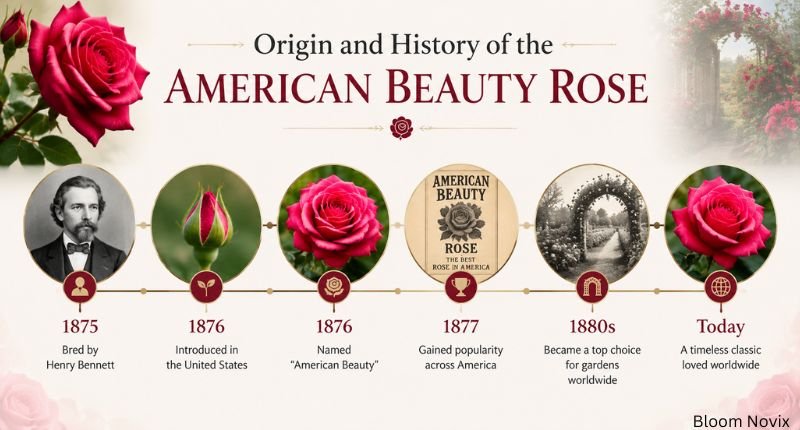
Despite its name, the American Beauty rose flower didn’t originate in America at all. It was bred in France in 1875 by horticulturist Henri Lédéchaux, who originally named it ‘Madame Ferdinand Jamin.’ The rose made its way across the Atlantic the same year, when George Valentine Nash brought it to the United States.
The transformation into an American icon happened over the next decade. In 1886, Bancroft and Field Bros relaunched the flower under a new name — American Beauty — and it quickly became a sensation. Its high price tag, often exceeding two dollars per stem at a time when that was a significant sum, earned it the nickname “the million-dollar rose.”
- 1875 – Bred in France by Henri Lédéchaux, originally named ‘Madame Ferdinand Jamin’
- 1875 – Brought to the United States by George Valentine Nash
- 1886 – Renamed and reintroduced as ‘American Beauty’ by Bancroft and Field Bros
- 1888 – First sold to florists nationwide by Bassett & Washburn
- Early 1900s–1920s – Became the best-selling rose cultivar in the United States
| Milestone | Year | Detail |
| French Origin | 1875 | Bred by Henri Lédéchaux, named ‘Madame Ferdinand Jamin’ |
| American Introduction | 1875 | Brought to the U.S. by George Valentine Nash |
| Renamed & Relaunched | 1886 | Introduced as ‘American Beauty’ |
| Peak Popularity | 1888–1920 | Best-selling rose cultivar in America |
Botanical Characteristics & Appearance
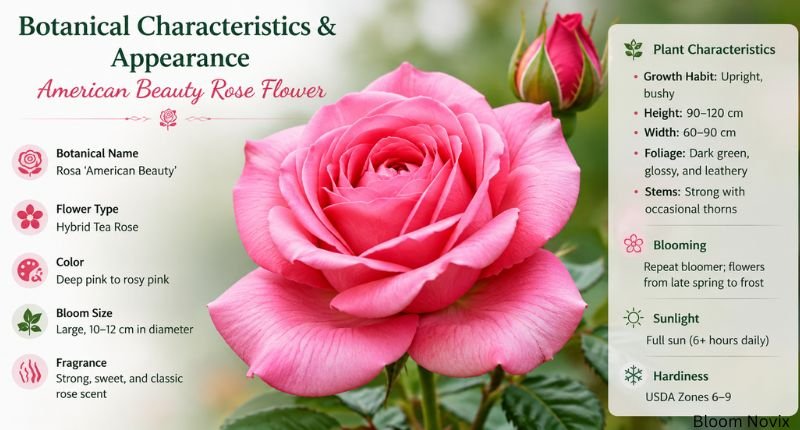
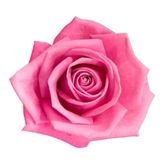
The American Beauty red rose is instantly recognizable for its brilliant crimson petals and cup-shaped bloom structure. Each flower carries a strong, sweet fragrance that has made it popular for both garden display and cut-flower arrangements. The buds themselves are thick and globular before opening into their signature form.
Beyond the flower, the plant features dark green foliage and prickly shoots along long, stiff stems — a trait that makes it especially well-suited for cutting and floral display. As a fragrant red rose, it remains one of the more aromatic options among hybrid perpetual rose varieties still grown today.
- Petal count: up to 50 per bloom
- Flower diameter: approximately 11 cm
- Color: deep pink to velvet red rose tones
- Foliage: dark green with prickly stems
- Fragrance: strong and sweet
Read More: Lotus Flower Season
Plant Size, Growth Habit & Hardiness
As an American Beauty rose bush, this variety grows into an upright, vigorous shrub. It typically reaches a height of 90 to 200 centimeters, with a width ranging between 90 and 125 centimeters, making it a substantial presence in any rose garden plant collection. There’s also an American Beauty climbing rose form, which is often trained along trellises and walls for vertical garden displays.
This American Beauty rose plant is winter hardy down to about -29°C, corresponding to USDA hardiness zone 5. However, it isn’t without its vulnerabilities — it can be susceptible to common fungal issues like mildew, rust, and black spot, so gardeners growing it as an outdoor rose plant should keep an eye on airflow and moisture levels.
| Growth Factor | Detail |
| Height | 90–200 cm (3–6.6 ft) |
| Width | 90–125 cm |
| Hardiness Zone | USDA Zone 5 (-29°C) |
| Growth Habit | Upright, vigorous shrub |
| Common Issues | Mildew, rust, black spot |
| Best Uses | Cut flower, containers, greenhouse, garden |
Blooming Period Of American Rose Flower
Unlike many modern repeat-blooming roses, the American Beauty tends to flower in flushes over an extended period rather than continuously. According to the RHS Encyclopedia of Roses, its blooms appear somewhat sparingly compared to other perennial rose plant varieties, which only adds to its exclusivity and charm.
This pattern of blooming has historically contributed to its high market value. Florists in the late 1800s and early 1900s prized the flower precisely because it wasn’t always in constant supply, reinforcing its reputation as a large red rose worth the premium price.
Symbolism and Meaning Of Rose Flower
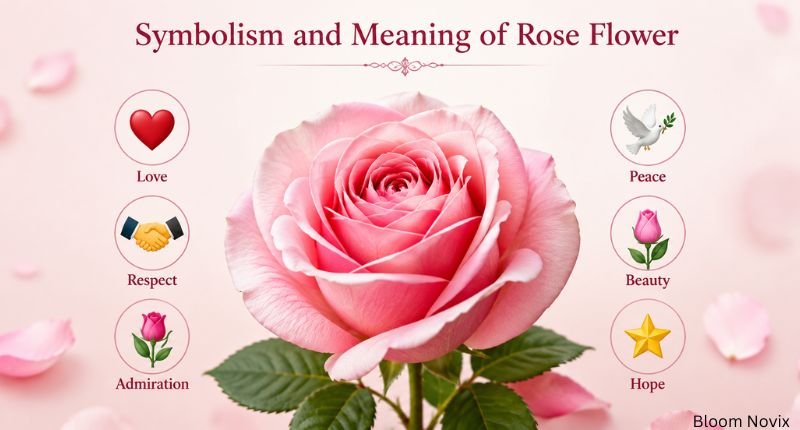
At its core, the American Beauty rose flower represents love, admiration, and enduring beauty — themes commonly associated with deep red and pink roses across cultures. But this particular cultivar carries an additional layer of meaning tied to American identity and early 20th-century glamour.
Its association with wealth and exclusivity in its early history added a symbolic dimension beyond simple romance. As an ornamental rose, it came to represent status and refined taste, a reputation that has followed it into literature, music, and film long after its peak commercial popularity faded.
American Beauty Rose in Pop Culture
Few flowers have made as many appearances in American arts and entertainment. The rose has been referenced across more than a century of creative works, cementing its place in cultural memory far beyond the garden.
- “American Beauty Rag” – A ragtime composition by Joseph Lamb
- Pal Joey (1940) – Featured in a Ziegfeld-style musical number
- Frank Sinatra’s “American Beauty Rose” (1950) – A popular song of the era
- Funny Girl (1964) – Referenced in Fanny Brice’s iconic song “I’m the Greatest Star”
- Catch-22 – Appears in a memorable scene from Joseph Heller’s novel
- Little Shop of Horrors (1982) – Requested by the first customer in the film
- American Beauty (1999) – A recurring visual motif throughout the Oscar-winning film
- Grateful Dead’s “American Beauty” – Featured on the iconic album cover
These references span music, literature, theater, and film, proving that the flower’s cultural resonance goes far beyond its physical beauty.
Related More: Ugly Flower Names
Official Symbol Status
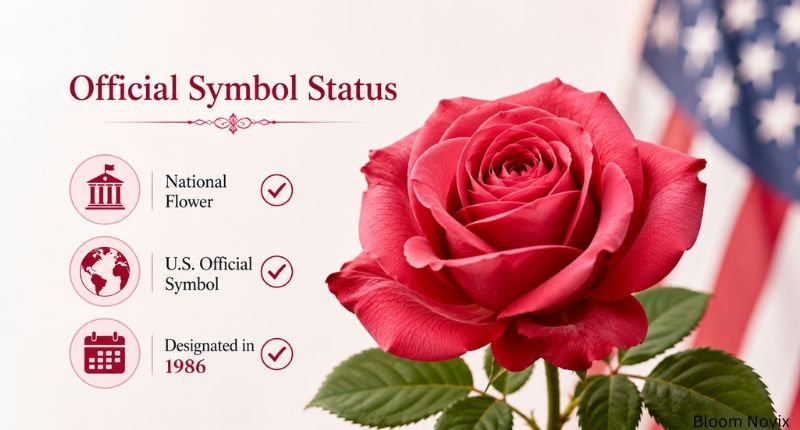
Perhaps the most notable honor bestowed on this flower is its status as the official flower of the District of Columbia. This designation cemented its place not just as a garden favorite but as a formal emblem of American identity.
The rose also found its way into corporate and academic symbolism. In 1943, it became the formal symbol of the upscale Lord & Taylor department store chain. It has additionally been adopted as the official flower of several fraternities and sororities across the United States.
- Sigma Phi Delta fraternity
- Mu Beta Psi fraternity
- Phi Sigma Sigma sorority
- Tau Beta Sigma sorority
- Beta Beta Beta (biology honor society)
- Alpha Rho Omega sorority
Why the American Beauty Rose Still Matters Today
More than a century after its commercial peak, the American Beauty rose is no longer the dominant force in florist shops that it once was — newer hybrid tea and modern garden rose varieties have largely taken over that space. Yet the flower hasn’t disappeared. It survives in heirloom rose collections, botanical gardens, and the gardens of enthusiasts who specifically seek out older cultivars with genuine historical roots rather than mass-market hybrids bred purely for shelf life.
Part of its staying power comes from the fact that it represents something modern roses often lack: a documented, traceable story. Many contemporary rose varieties are bred anonymously by commercial nurseries with little public record of their development. The American Beauty, by contrast, comes with a clear timeline — a French breeder, a specific renaming, a documented rise to commercial dominance, and a lasting cultural legacy that can be traced through music, literature, and film.
For gardeners interested in heirloom varieties, growing an American Beauty rose today is as much about preserving a piece of horticultural history as it is about enjoying a beautiful bloom. It’s a living connection to a very specific moment in American history, when a single flower could command a small fortune and become a genuine cultural phenomenon.
Discover More: December’s Birth Flower
Final Words
From its unassuming beginnings as a French breeding project to its rise as a celebrated American Beauty rose flower, this cultivar has woven itself into the fabric of American horticulture, art, and identity. Its striking color, rich fragrance, and storied past make it far more than just another garden variety — it’s a living piece of history.
Whether you know it through its official status as the flower of the District of Columbia, its many appearances in music and film, or simply its beauty in a garden bed, the American Beauty rose remains one of the most fascinating flowers in American cultural history.
FAQs
Is there an American Beauty Rose?
Yes, it’s a real hybrid perpetual rose cultivar originally bred in France in 1875 and later renamed and popularized in the United States.
How long do American Beauty roses bloom?
They bloom in flushes over an extended period rather than continuously, and according to horticultural references, they tend to flower somewhat sparingly compared to modern repeat-bloom varieties.
How do I care for an American Beauty rose flower plant?
It grows best with good sunlight, well-draining soil, and regular monitoring for fungal issues like mildew, rust, and black spot. It performs well in containers, greenhouses, or open garden beds.
Is American Beauty a kind of rose?
Yes, it belongs to the hybrid perpetual rose group, known for its crimson color, strong fragrance, and cup-shaped blooms.
What does the American Beauty Rose symbolize?
It symbolizes love, admiration, and enduring beauty, while also carrying historical associations with wealth, exclusivity, and American cultural identity.
What kind of flower is an American Beauty?
It’s a hybrid perpetual rose, distinguished by its deep crimson color, large cup-shaped blooms, and rich fragrance.
BloomNovix is managed by an experienced team of content writers and SEO specialists with 4+ years of expertise in gardening and plant care. We provide well-researched guides, gardening tips, and insights on floral meanings to help plant lovers grow their indoor and outdoor gardens with confidence.




21 thoughts on “American Beauty Rose Flower: 7 Surprising Facts You Should Know”