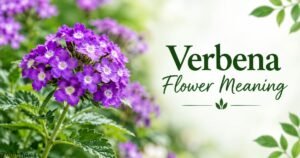
Have you ever looked at a small verbena bloom and wondered why this flower has carried so much meaning for so many generations? The verbena flower meaning is closely tied to love, protection, healing, and spiritual traditions. Its story reaches back to ancient cultures, where verbena and related vervain plants were valued in religious and herbal practices.
Over time, the flower also became associated with affection, friendship, and devotion. Its colorful blooms add another layer to its symbolism, with different shades often carrying their own meanings.
In this guide, we’ll explore the verbena flower meaning, its spiritual symbolism, history, connection to love and friendship, and the meanings behind its most popular colors. Whether you grow verbena in your garden or simply want to understand its symbolism, you’ll find the important meanings explained in simple terms.
What Does Verbena Flower Symbolize? (Complete Meaning Guide)
Verbena is widely known as a symbol of peace, protection, and healing. Ancient civilizations believed this flower carried divine energy that could purify a space and calm a troubled mind. Unlike many flowers that represent only one emotion, verbena carries layered meanings depending on culture, color, and context. This makes it one of the most versatile symbolic flowers in history.
Verbena also represents enchantment, devotion, and creativity, especially in artistic and spiritual communities. In modern flower language, verbena is often chosen to express a wish for someone’s emotional recovery or inner strength. This broader meaning is why verbena appears in sympathy arrangements as often as romantic bouquets.
Here is a quick breakdown of its core symbolic meanings:
- Protection – warding off negative energy
- Healing – emotional and physical recovery
- Devotion – loyalty in love and friendship
- Enchantment – charm and magnetic attraction
- Peace – calmness and harmony in relationships
The Sacred History of Verbena in Ancient Roman Rituals
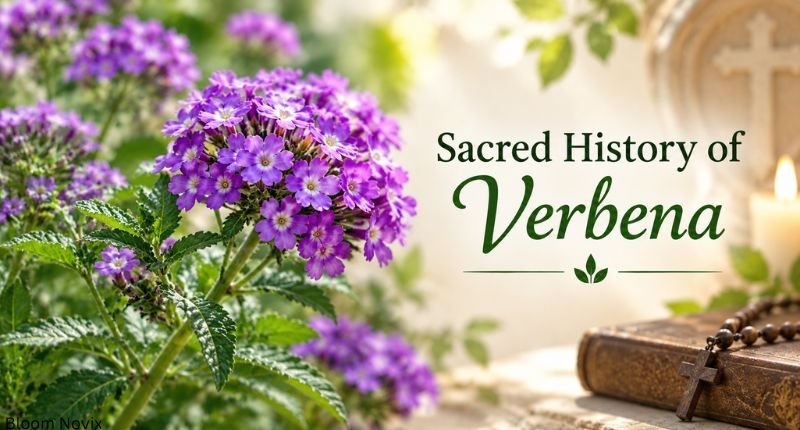
In ancient Rome, verbena was never treated as an ordinary garden plant. Priests used it to cleanse altars before sacred ceremonies, believing its touch could remove impurities from any surface. Roman soldiers reportedly carried verbena sprigs into battle for protection and courage. Even diplomats used it during peace treaties, giving it the nickname “herb of grace.”
Verbena was tied into small bundles called verbenae, which were used specifically by priests during oath-taking ceremonies. Breaking an oath made under verbena was considered a serious offense against the gods. This is a detail most competitors leave out, yet it explains why verbena became linked so strongly with trust and sincerity.
This Roman connection to sacred duty is the foundation of verbena’s reputation today. It explains why the flower is still associated with loyalty, truth, and formal commitments centuries later. Understanding this root history makes every other meaning of verbena easier to appreciate.
Verbena in Druidic and Celtic Mythology
The Celtic Druids viewed verbena as one of their most powerful sacred herbs, second only to mistletoe in spiritual importance. They believed it connected the physical world to unseen spiritual realms. Verbena was harvested only under strict conditions, often during specific moon phases, to preserve its magical potency.
Verbena could enhance visions and prophetic dreams. Priests would place it under pillows or burn it during rituals to open spiritual awareness. It was also used in protective charms hung above doorways to keep evil spirits away from homes and livestock.
This mythology shaped how later European cultures viewed verbena as a plant of mystery and magic. The Celtic reverence for verbena laid groundwork for its later use in folk medicine and love charms. Even today, some spiritual practitioners use verbena in cleansing rituals inspired by these ancient Druidic customs.
Verbena’s Connection to Aphrodite and Divine Love
Greek mythology closely ties verbena to Aphrodite, the goddess of love and beauty. Legends claim the flower bloomed wherever her tears of joy touched the earth. Stories like this help explain why verbena became associated with passion, beauty, and irresistible attraction, adding to the rich history behind unusual flower names.
Ancient Greek women reportedly used verbena-infused oils as perfume to enhance their natural charm before meeting suitors. It was also brewed into drinks believed to strengthen romantic bonds between couples. This practical love-ritual use is what transformed verbena from a mythological symbol into an everyday romantic tool.
This mythological backing explains why verbena remains a popular choice in romantic gestures today. The connection between beauty, love, and divine blessing still influences how the flower is gifted in modern relationships. It bridges ancient myth with real emotional meaning that people still relate to.
Christian Legends: Why Verbena Is Called the “Herb of the Cross”
Christian folklore gives verbena one of its most emotional origin stories. Legend says verbena was found growing at the foot of the cross during the crucifixion, used to stop Christ’s bleeding wounds. This story earned verbena the powerful nicknames “herb of the cross” and “holy herb.”
Monks grew verbena in monastery gardens specifically for wound healing and spiritual blessings. It was often blessed by priests and given to sick villagers as both medicine and a symbol of divine protection.
This religious symbolism cemented Verbena’s identity as a healing and protective flower across Christian Europe. It shifted verbena from a purely mythological plant into one with deep religious respect. This legacy still influences why verbena appears in sympathy and healing-themed floral arrangements today.
Verbena in Victorian Floriography: The Language of Flowers
The Victorian era turned flower-giving into a coded language, and verbena held a special place in this tradition. Its primary message was “you have enchanted me” or “you have bewitched me,” making it a favorite for secret romantic confessions. In a time when public affection was frowned upon, verbena silently spoke what words could not.
Victorians actually distinguished between wild verbena (vervain) and garden verbena. Wild vervain symbolized sincere devotion and enchantment, while garden varieties leaned toward simple admiration. Choosing the wrong type could accidentally send a confusing message to the recipient.
This careful color-and-type coding shows how seriously Victorians treated floral communication. It also explains why verbena remains linked to romantic mystery even in modern bouquets. This historical precision is exactly why choosing the right verbena variety still matters today.
Verbena Flower Meaning in Love and Romance
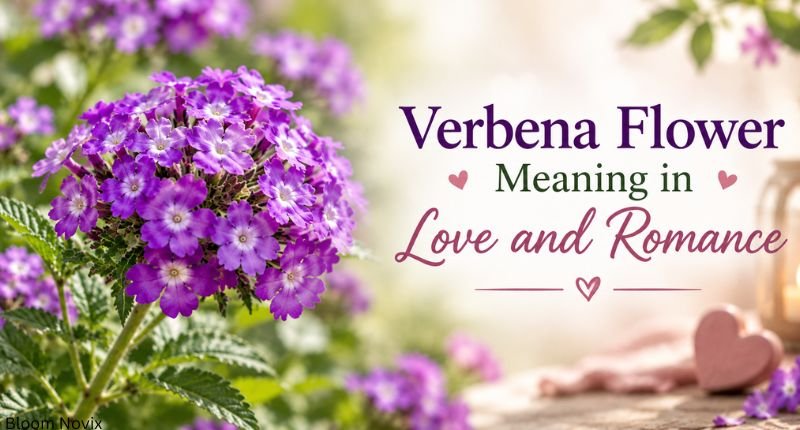
In romantic contexts, verbena can represent deep enchantment, loyalty, and lasting devotion between partners. It may be given during the early stages of dating to express genuine fascination with someone. Unlike roses, which can feel overused, verbena offers a more subtle way to express affection, much like the symbolism found in clover in love.
Verbena’s suitability for long-term relationship milestones, not just new romance. Couples celebrating anniversaries often use verbena to symbolize continued devotion and mutual respect built over time. It works equally well for engagement gifts, symbolizing a promise of loyalty.
- Early dating: signals fascination and interest
- Anniversaries: represents lasting devotion
- Engagements: symbolizes a promise of loyalty
This flexibility makes verbena one of the few flowers appropriate across every romantic stage. From first dates to decades-long marriages, its meaning simply deepens rather than changing. This is why florists increasingly recommend it for romantic occasions beyond Valentine’s Day.
Verbena Color Meanings: Pink, Purple, Red, White, and Blue
Color plays a major role in how verbena’s message is interpreted by the recipient. Each shade carries a distinct emotional tone, making color selection just as important as the flower itself. Choosing the wrong color can unintentionally change the intended meaning of your gift.
Below is a simple table that removes the guesswork:
| Color | Primary Meaning | Best Occasion |
| Pink | Gentle love, appreciation | Anniversaries, Mother’s Day |
| Purple | Spiritual connection, grace | Meditation gifts, sympathy |
| Red | Passion, intense romance | Romantic dates, proposals |
| White | Purity, new beginnings | Weddings, new relationships |
| Blue | Calm, trust, loyalty | Friendship, reconciliation |
Understanding this color chart helps you send exactly the emotional message you intend. It also prevents awkward misunderstandings, especially in romantic or professional gifting situations. This small detail often makes the biggest difference in how your gift is received.
Verbena for Family Love and Maternal Bonds
Beyond romance, verbena holds a strong place in expressing family love and maternal appreciation. Its gentle symbolism of care and healing makes it perfect for honoring mothers and family caregivers. Many cultures associate pink verbena specifically with unconditional maternal love.
Verbena’s use in healing strained family relationships. Because of its ancient healing symbolism, verbena is sometimes gifted during reconciliations between estranged family members. It carries an unspoken message of forgiveness and renewed connection.
- Represents maternal love and nurturing care
- Symbolizes family harmony and unity
- Used in reconciliation gifts after conflict
This makes verbena more than just a romantic flower; it becomes a tool for emotional healing within families. Its symbolism of grace fits naturally into Mother’s Day traditions and family reunions alike. This versatility is rarely highlighted, yet it adds real emotional depth to the flower’s meaning.
Verbena as a Symbol of Friendship and Loyalty
Friendship is another area where verbena’s meaning shines, though it’s often overlooked entirely. Blue and purple verbena specifically symbolize trust, loyalty, and steady companionship between friends. This makes it an excellent gift for long-term friendships reaching important milestones.
Verbena is actually well-suited for celebrating friendship anniversaries, reunions, or moments of gratitude toward a loyal friend. Its ancient association with sincerity makes it a meaningful, non-romantic alternative to typical gift flowers.
This friendship symbolism connects directly back to verbena’s Roman oath-taking history discussed earlier. Just as Romans valued sincerity in oaths, verbena today represents sincerity between close friends. This overlooked meaning gives the flower a fuller, more complete symbolic identity.
Read Also: Sunflower and Purple Flower Meaning: 7 Stunning Bouquet Ideas
Verbena in Healing, Protection, and Spiritual Practices
Verbena’s reputation as a healing and protective herb spans multiple cultures and centuries. Ancient healers used it in teas, oils, and poultices to treat wounds, fevers, and anxiety. Its spiritual protective qualities were believed to shield homes and individuals from negative energy.
Verbena’s continued use in modern aromatherapy and spiritual cleansing rituals. Practitioners today burn dried verbena or use its essential oil to clear negative energy from spaces. It’s also used in meditation practices to promote emotional balance and mental clarity.
- Traditional use: wound healing, fever relief
- Spiritual use: cleansing negative energy
- Modern use: aromatherapy and meditation aid
This continuity from ancient herbalism to modern wellness practices proves verbena’s lasting relevance. Its healing symbolism has never faded, only adapted to fit contemporary spiritual and wellness trends. This makes verbena a flower with genuine practical, not just symbolic, value.
Medieval Folklore and Verbena’s Magical Properties
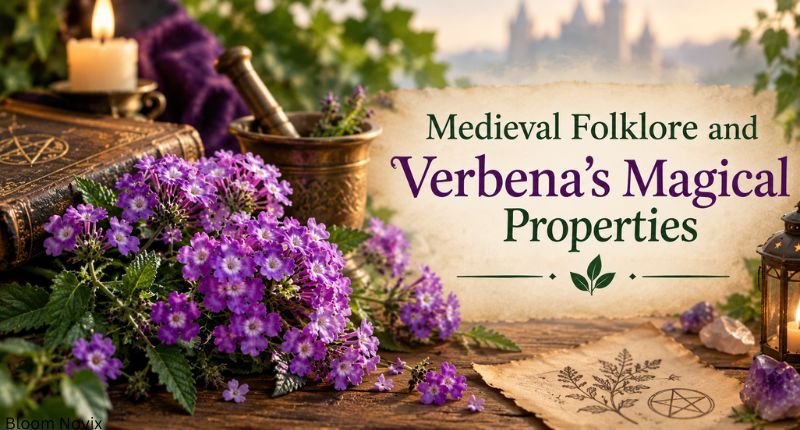
During medieval times, verbena was deeply embedded in European folk magic and superstition. Villagers hung dried verbena above doorways to protect homes from witches and evil spirits. It was also carried by travelers as a charm against bad luck on long journeys.
Verbena was commonly used in love potions and attraction charms, believed to make the wearer irresistible to potential partners. Herbalists of the era combined it with other protective herbs to create powerful amulets for romantic success.
This magical folklore added yet another layer to verbena’s already rich symbolic history. It shows how the flower moved fluidly between religious respect, medicinal use, and folk superstition. This adaptability is part of why verbena survived so many centuries without losing cultural relevance.
Verbena in Weddings, Engagements, and Bridal Symbolism
Modern weddings increasingly feature verbena for its elegant appearance and deep symbolic meaning. Brides choose it to represent enduring love, spiritual grace, and family blessings on their wedding day. Its delicate clusters also add texture and softness to bridal bouquets and centerpieces.
Verbena’s suitability for engagement proposal settings. Because of its historical association with devotion and sincere promises, verbena works beautifully in proposal bouquets. Some couples even plant verbena together as a living symbol of their commitment.
- Bridal bouquets: softness and symbolic grace
- Engagement gifts: sincerity and devotion
- Reception décor: elegant, understated charm
This growing wedding trend shows verbena moving from folklore into modern celebration traditions. Its symbolism of loyalty fits naturally into the promises exchanged during weddings and engagements. This makes it a thoughtful, meaningful alternative to traditional wedding flowers.
Cultural Significance of Verbena Across Different Regions
Verbena’s symbolism shifts subtly depending on regional traditions and local beliefs. In Mediterranean cultures, it is closely tied to romantic festivals and summer celebrations. In parts of Northern Europe, it retains stronger associations with protection and folk medicine.
Verbena’s role in Spanish festival traditions, where it’s used in midsummer celebrations believed to bring good luck and love. Verbena festivals, literally named after the flower, are held in Spain during summer solstice celebrations. This cultural connection is rarely mentioned outside specialized sources.
- Mediterranean regions: romance and summer festivals
- Northern Europe: protection and folk medicine
- Spain: named festivals celebrating luck and love
These regional variations prove verbena’s symbolism was never static but constantly reshaped by local culture. This global spread across different traditions is part of why the flower remains so widely recognized. Understanding these regional nuances gives a fuller picture of verbena’s true cultural weight.
Verbena vs. Vervain: Understanding the Difference in Symbolism
Many people use “verbena” and “vervain” interchangeably, but subtle symbolic differences exist between them. Vervain typically refers to the wild species, historically tied to Druidic and medicinal traditions. Garden verbena, by contrast, is the cultivated variety more common in modern floral gifting.
Vervain carries stronger magical and medicinal symbolism, rooted in ancient folklore and healing practices. Garden verbena leans more toward decorative romantic and friendship symbolism used in modern bouquets and gardens.
| Aspect | Vervain (Wild) | Verbena (Garden) |
| Origin | Wild, historical species | Cultivated hybrid varieties |
| Symbolism | Magic, healing, protection | Love, friendship, beauty |
| Common Use | Herbal medicine, rituals | Gardens, bouquets, gifts |
Knowing this difference helps you choose the right variety for your intended symbolic meaning. It also prevents confusion when researching verbena’s spiritual versus romantic symbolism online. This clarity is something most competitor articles fail to properly explain.
Verbena in Modern Gardens: Growing Tips and Symbolic Value
Beyond symbolism, verbena remains a popular garden flower thanks to its hardy nature and vibrant blooms. It thrives in full sun and requires minimal maintenance, making it ideal for beginner gardeners. Its long blooming season adds color to gardens from late spring through early fall.
Something people rarely connect is how growing verbena together symbolizes relationship growth. Couples and friends sometimes plant verbena as a living representation of a growing bond, watching it bloom alongside their relationship. This practice adds a personal, symbolic ritual to an otherwise simple gardening activity.
- Needs full sun and well-drained soil
- Water moderately; avoid overwatering
- Deadhead regularly to encourage more blooms
This practical gardening angle adds real value beyond pure symbolism, appealing to hands-on flower lovers. It shows verbena isn’t just a historical or romantic symbol but also a rewarding plant to grow. This combination of beauty and meaning makes it a favorite among home gardeners today.
Best Occasions to Gift Verbena Flowers
Choosing the right occasion enhances the impact of verbena’s symbolic meaning significantly. Its versatility allows it to fit romantic, familial, and platonic gifting situations equally well. Selecting the correct color and occasion ensures your message is clearly understood.
Many guides list occasions without practical reasoning behind each choice. Verbena is especially fitting for healing or recovery gifts, given its historical medicinal symbolism, making it thoughtful for someone recovering from illness or hardship. It’s equally suitable for congratulatory gifts celebrating personal growth or new beginnings.
- Anniversaries and engagements
- Mother’s Day and family reunions
- Get-well and recovery wishes
- Friendship milestones and reconciliations
- Weddings and new beginnings
This wide range of suitable occasions confirms verbena’s status as one of the most adaptable symbolic flowers available. Its layered history gives every gift genuine emotional and cultural depth. This makes it a meaningful choice far beyond typical flower-giving occasions.
Frequently Asked Questions About Verbena Flower Meaning
1. What does the verbena flower symbolize?
Verbena symbolizes protection, healing, and devotion. It also represents enchantment and lasting loyalty in relationships.
2. What is the spiritual meaning of verbena?
Verbena represents spiritual protection and purification. It has long been used in cleansing rituals and sacred ceremonies.
3. What does verbena mean in love and romance?
Verbena signifies enchantment and deep devotion between partners. It’s often given to express fascination or lasting commitment.
4. What is the difference between verbena and vervain?
Vervain is the wild species tied to folklore and medicine. Garden verbena is the cultivated form used mostly in gifting.
5. What color verbena means love?
Red and pink verbena both represent romantic love. Red signals passion, while pink expresses gentle affection.
6. Why is verbena called the “herb of grace” or “herb of the cross”?
Christian legend says it healed Christ’s wounds at the crucifixion. This gave it a sacred, healing-focused reputation.
7. What does purple verbena symbolize?
Purple verbena represents spiritual connection and grace. It’s often linked to meditation and calming energy.
8. What does pink verbena mean?
Pink verbena symbolizes gentle love and appreciation. It’s commonly used for family and maternal gifts.
9. Is verbena a good luck flower?
Yes, verbena is traditionally considered a good luck charm. Many cultures used it for protection and positive energy.
10. What occasions is the verbena flower best suited for?
Verbena suits weddings, anniversaries, and recovery gifts. It’s also ideal for friendship and family celebrations.
Conclusion
The verbena flower meaning brings together ideas of love, devotion, healing, protection, and spiritual connection. Its long history gives these meanings more depth, while its different colors offer subtle ways to express different feelings.
Whether you grow verbena in your garden, give it as a gift, or simply enjoy its blooms, understanding its symbolism can make the flower feel more personal. Verbena may look delicate, but its history and meanings have helped it remain a memorable flower for generations.
In the end, the meaning of verbena depends on the context and the feeling behind it. That is what makes this flower more than just a beautiful addition to a garden.
BloomNovix is managed by an experienced team of content writers and SEO specialists with 4+ years of expertise in gardening and plant care. We provide well-researched guides, gardening tips, and insights on floral meanings to help plant lovers grow their indoor and outdoor gardens with confidence.