Stopping a car because a whole field has turned gold is a lovely experience. These yellow wildflowers that give off a golden glow are beautiful, and each one has a story. A few feed the bees, and some have medicinal powers; a few might even prove toxic. By reading this article, you will be able to differentiate, get to know the names, and even safely enjoy such wildflowers .
Miscellaneous people usually think every yellow bloom is a dandelion. This habit prevents us from recognizing dozens of exquisite flower species. I have gathered the genuine identities of each wildflower, the periods for best bloom, a few tricks for wildflower identification by color, and other interesting facts. Don’t miss out ; it might happen that the next flower you meet will amaze you.
What Are Yellow Wildflowers? Meaning and Overview
Yellow wildflowers are wild plants with yellow blooming flowers that grow spontaneously. They spread through seed dispersal by various natural agents like the wind, seeds themselves, and even animals such as birds and insects that may carry them away. You will find most of these wildflowers thriving in different environments such as fields, forests, and trails. Some of the yellow wildflowers are considered native, whereas others came from other continents.
The classification done by botanists divides these flowers into different plant families. The daisy family contributes most to this category, with some others making up the rest. The common feature among them is golden yellow flower petals, as the yellow pigment in the flower color is the main factor that attracts bees.
The bright colors of the flowers are like a kind of neon lighting that informs all the pollinators that these flowers are available to be pollinated. Therefore, you can imagine this as a kind of advertising board for those flowers that need to get themselves pollinated as a means of propagation.
Types of Yellow Wildflowers You Can Spot in the Wild
Yellow wildflowers fall into a few easy shapes. Learning the shape speeds up naming. Start with the flower head, then check the leaves and stem. This habit works better than guessing from color alone.
Yellow daisy-like wildflowers form the biggest group. Each has a center disk and a ring of petals. Black-eyed Susan and coreopsis are classic examples. Use these shape groups as your first filter:
- Daisy-like: black-eyed Susan, coreopsis, prairie sunflower, yellow coneflower
- Cup-shaped: buttercup, marsh marigold, California poppy
- Plumes and clusters: goldenrod, common tansy
- Dandelion-like: dandelion, yellow hawkweed, yellow salsify, sow thistle
- Unusual shapes: yellow toadflax, yellow flag iris, evening primrose
Some flowers break the rules. Yellow toadflax looks like a tiny snapdragon. Yellow flag iris shows the famous iris shape. These oddballs are easy to remember once you see them.
Yellow Wildflowers Names with Pictures and Identification Tips
Names matter because lookalikes fool people. Use a three-step check: flower, leaf, and stem. Note the petal count and the leaf edge. Photograph all three parts for later.
Take clear photos in natural light. Shoot the flower from the top and the side. Add one close shot of the leaves. Free apps like iNaturalist can confirm your guess.
Use this table as a quick filter. Then confirm with leaf shape. Goldenrod has narrow leaves and arching plumes. Black-eyed Susan has rough, hairy leaves.
| Flower | Bloom Time | Height | Common Habitat |
| Dandelion | March to October | 2–12 in | Lawns, fields |
| Buttercup | April to July | 1–3 ft | Moist meadows |
| Birdsfoot trefoil | June to September | 6–24 in | Roadsides, grass |
| Coreopsis | June to August | 1–3 ft | Sunny meadows |
| Black-eyed Susan | June to September | 1–3 ft | Meadows, roadsides |
| Evening primrose | June to September | 2–5 ft | Disturbed ground |
| Prairie sunflower | June to September | 1–5 ft | Dry grasslands |
| Goldenrod | August to October | 1–5 ft | Fields, prairies |
Early Spring Yellow Wildflowers
Yellow spring wildflowers come out before even the trees have leaves. Wildflowers that bloom in spring are there to feed the first bees of the season . Winter aconite will actually begin opening even while snow still lingers on the ground.
Meadows and gardens get their fill of dandelion plants from March onward. Lesser celandine is able to spread over the woods to leave patches of bright green and silver leaves as a covering. Water-loving flowers like marsh marigold bring color to wetlands and stream sides. Yellow-flowered plants (mustard family) produce tall stems from April to May.
Spring-blooming flowers can go through their blooming cycle very fast. Their leaves turn yellow by summer. You must locate and remember the flowers that you have seen. You can come back the following year if you want to find the same flowers.
Summer and Fall Yellow Wildflowers
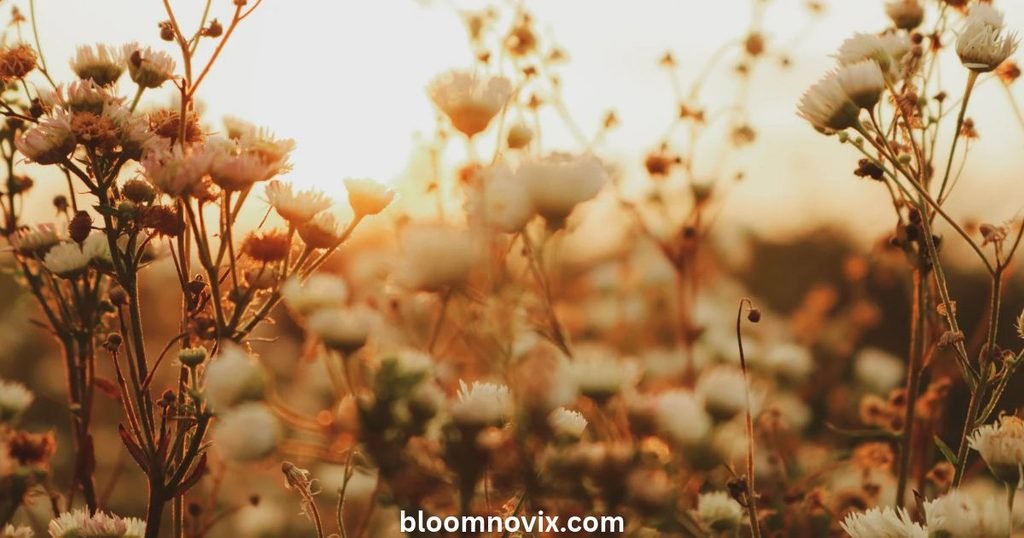
This time of the year has the largest collection of flowering plants outdoors. You can observe black-eyed Susans , coreopsis, and yellow coneflowers in bloom from June. Yellow summer wildflowers thrive in very hot and sunny conditions. Blanket flowers in red and yellow add color to meadows that do not receive much irrigation.
Evening primrose follows a very different schedule. The petals open when the sun goes down and are no longer present after the sun has risen the following day. Moths take their turn in the nighttime with the evening primrose flower . The common tansy and sulfur cinquefoil bloom at the peak of the summer season along the roadside.
Goldenrod takes center stage in the fall . Its long sprays of yellow are quite visible from August to the end of October. Jerusalem artichoke joins in with very tall, sunflower-like flowers. Though goldenrod is often blamed for hay fever symptoms, it is actually ragweed that is responsible for most of it.
Yellow Wildflowers in North America by Region
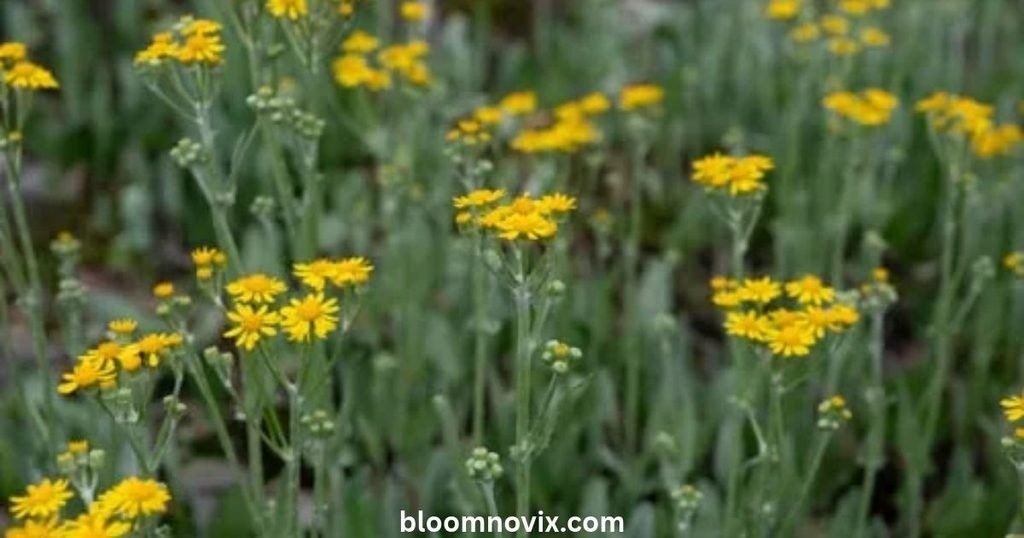
North America possesses a wide variety of climates across different regions. Locally growing plants are usually the ones that thrive best in the area , as soil, water, and climate are just a few factors shaping them over time. Yellow wildflowers indigenous to the area are the best feeders for local insects. Always verify the state native plant list you receive before going ahead to plant.
Besides that, favorite plants differ by area: in the Northeast and Midwest, people love goldenrod, black- eyed Susan, and marsh marigold, whereas in the Great Plains, the most popular ones are prairie sunflower and blanket flower. On the other hand, the West is dominated by California poppy and yellow salsify.
The flowers of the Southeast region include coreopsis and evening primrose. Please note that these are just a general indication ; as a matter of fact, there are no hard boundaries. It is actually birds and winds that disperse the seeds so far apart! If you want a specific, accurate answer, consult a local field guide.
Yellow Wildflowers That Look Alike and How to Tell Them Apart
Lookalikes cause most naming mistakes. Dandelion twins fool even experienced hikers. A wrong name can lead to a wrong snack. Slow down and check the details.
Dandelion has one flower on a hollow, leafless stem. Yellow hawkweed has hairy leaves and branched stems with several flowers. Sow thistle has prickly leaves and milky sap. Oxeye daisy has white petals, but its yellow center confuses beginners.
| Plant | Key Clue | Easy Mix-Up With |
| Dandelion | One flower, hollow stem | Yellow hawkweed |
| Yellow hawkweed | Hairy leaves, branched stems | Dandelion |
| Buttercup | Glossy, cup-shaped petals | Lesser celandine |
| Lesser celandine | Shiny, heart-shaped leaves | Marsh marigold |
| Black-eyed Susan | Dark center, hairy leaves | Yellow coneflower |
| Yellow coneflower | Drooping petals, tall cone | Black-eyed Susan |
Yellow Wildflowers Meaning and Symbolism
Yellow stands for joy, friendship, and fresh starts in many cultures. Yellow wildflowers carry that spirit into open fields. People give them as cheerful gestures. Children pick them as first bouquets.
Dandelion symbolizes resilience and wishes. Folk tradition links goldenrod with encouragement and good fortune. Black-eyed Susan means justice and serves as Maryland’s state flower. California poppy holds the same honor for California.
Yellow can also carry a darker note. Victorian flower language sometimes tied yellow blooms to jealousy or fading love. Meanings shift by culture and context. Treat them as tradition, not rules.
Edible and Medicinal Yellow Wildflowers
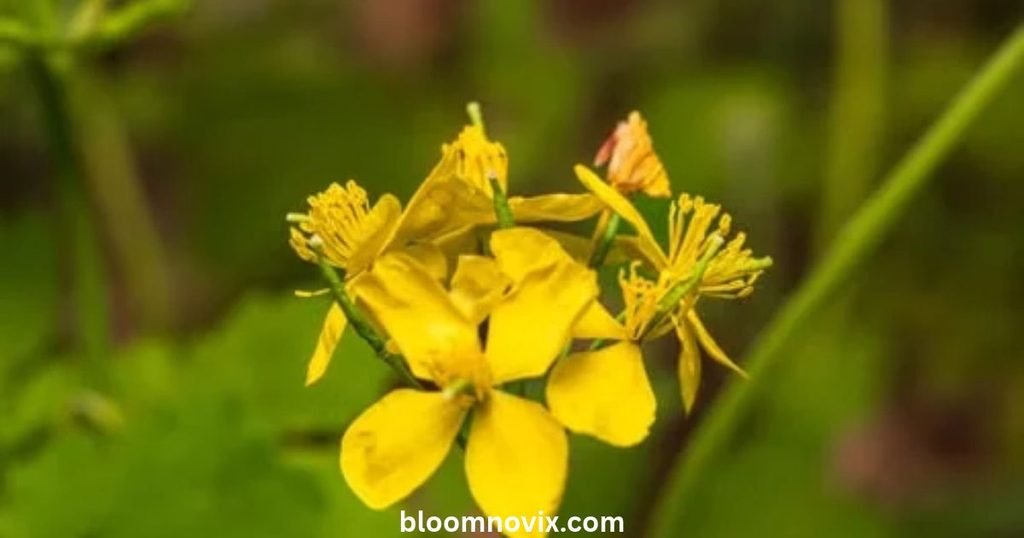
Some yellow wildflowers are edible, but safety comes first. Never eat a plant unless you are 100% sure of its name. Skip roadsides, sprayed lawns, and polluted soil. Taste a tiny amount first to check for allergies.
Dandelion gives you young leaves, petals, and roasted roots. Evening primrose offers flowers and young leaves. Yellow salsify gives tender roots and shoots. Yellow rocket and sow thistle offer young leaves, best when cooked.
Healers have used wildflowers in teas and salves for centuries. These medicinal and traditional uses of wildflowers include goldenrod tea and St. John’s wort oil. Science supports only some of these claims. St. John’s wort can interact with common medicines, so ask a doctor first.
Poisonous Yellow Wildflowers to Avoid
Beauty does not equal safety. Several yellow wildflowers contain toxins. Pets, horses, and children face the highest risk. Learn these names before you pick or graze.
| Plant | Main Risk | Who Is at Risk |
| Buttercup | Irritates mouth and skin | Livestock, pets, people |
| Common tansy | Toxic oils | People, pets, livestock |
| Marsh marigold | Toxic when raw | People, livestock |
| Lesser celandine | Toxic when raw, invasive | People, pets |
| Yellow flag iris | Skin irritant, toxic if eaten | People, pets, livestock |
| Tansy ragwort | Liver damage over time | Horses, cattle |
Wear gloves when you pull these plants. Wash your hands after touching sap. Keep pets away from patches. Call a vet or poison control if you suspect poisoning.
Several of these plants spread fast and crowd out natives. Lesser celandine, tansy, yellow toadflax, and yellow flag iris top the list. Remove them before they set seed. Bag them in the trash, not the compost.
How to Grow Yellow Wildflowers in Your Garden
Growing yellow wildflowers is easy and cheap. Choose a spot with at least six hours of sun. Buy native seed from a trusted supplier. Wildflowers that grow in full sun need little care once settled. Follow these steps:
- Clear grass and weeds, then rake the soil lightly
- Sow seed in fall or early spring
- Press seed onto the soil, because many need light to sprout
- Water lightly until seedlings appear
- Skip fertilizer, since rich soil grows weeds
Drought-tolerant yellow wildflowers like coreopsis, blanket flower, and prairie sunflower suit dry beds. Marsh marigold suits boggy corners. Match each plant to your soil. This simple step prevents most failures.
Leave seed heads standing in winter. Birds eat the seeds. Native bees nest in hollow stems. Cut everything back in early spring.
Yellow Wildflowers for Pollinators: Bees and Butterflies
Yellow wildflowers feed bees, butterflies, moths, and beetles. These flowers attract not only bees and butterflies but also help farms and gardens near them. With their large surface area, bees and other flying insects can access the nectar in one go. Tiny flies even drink the nectar.
Goldenrod , the highlight of the late season, is a migratory feeding source for monarch butterflies and food for many kinds of bees, among others. Bumblebees prefer coreopsis and coneflowers. Evening primrose is the source of nectar for night moths, with hawk moths being among them.
Finches love to enjoy the seeds of coneflowers and sunflowers . Having varieties that bloom at different times provides a continuous source of food. Also, pesticides should be avoided so your wildflower patch remains undisturbed . Even a tiny patch can host a surprising amount of wildlife.
Frequently Asked Questions
1. What are the most common yellow wildflowers?
Dandelion, black-eyed Susan, goldenrod, buttercup, and coreopsis top the list. They grow across North America in sunny fields and along roadsides.
2. What do yellow wildflowers symbolize?
They symbolize joy, friendship, and new beginnings. Some, like the dandelion, also stand for resilience and wishes.
3. Are yellow wildflowers edible or poisonous?
Some are edible, and some are toxic. Dandelion and evening primrose are safe when you identify them correctly, while buttercup and tansy are not.
4. When do yellow wildflowers bloom?
They bloom from early spring to late fall. Dandelions open in March, coreopsis in summer, and goldenrod in autumn.
5. How can I grow yellow wildflowers in my garden?
Sow native seed in a sunny, well-drained spot in fall or early spring. Skip fertilizer and water lightly until seedlings appear.
Conclusion
Yellow wildflowers make a big impact beyond just making the fields look pretty. They provide a habitat for pollinators and hold history in their blossoms , as well as help us notice the beauty around us. You’ve learned to identify them, skip potentially poisonous varieties, and cultivate wildflowers native to your area. Every time nature offers a display of yellow flowers , a new opportunity for discovery follows.
Don’t aim high on your next hike. Simply have a little notebook, take three snapshots, and then look at the flowers , leaves , and stems of each plant before determining its identity. Take a local nature club or organization along with your discoveries. Every day you make an observation, there will always be something else shining that you’ll end up missing out on if you weren’t paying attention to begin with.
BloomNovix is managed by an experienced team of content writers and SEO specialists with 4+ years of expertise in gardening and plant care. We provide well-researched guides, gardening tips, and insights on floral meanings to help plant lovers grow their indoor and outdoor gardens with confidence.