Have you ever noticed a small yellow flower blooming in early spring and wondered what it symbolizes? Jonquil flower symbolism is often linked with hope, love, renewal, and the feeling of a fresh start. Although its blooms are delicate, the meanings attached to this flower have made it a popular choice for gardens, gifts, and meaningful floral designs.
But jonquils have more to their story than symbolism alone. In this guide, you’ll learn what makes a jonquil a jonquil, what its colors can represent, and how its meaning connects with love, spring, and new beginnings. We’ll also look at its pet safety and a fascinating literary connection that adds another layer to this familiar spring flower.
Quick Answer
Jonquil flower symbolism represents renewal, affection, hope, and happiness. It comes from the flower’s early spring bloom and its bright yellow color. Traditional flower language also links jonquils with desire, sympathy, and remembrance. Modern use focuses mostly on positive, joyful meanings.
People often confuse jonquils with daffodils, but they are not identical. A jonquil belongs to a specific group inside the daffodil family. Its smaller blooms, narrow leaves, and strong scent set it apart. This difference matters when you choose a flower for a specific message.
The meaning of a jonquil can shift slightly with its color. Yellow jonquils lean toward joy and friendship. White jonquils lean toward purity and quiet remembrance. The rest of this guide breaks down every detail you need.
What Is a Jonquil Flower?
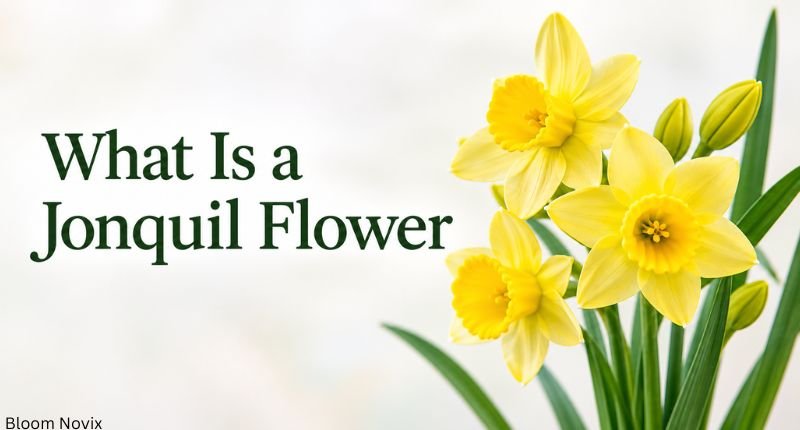
A jonquil is a small, fragrant flower that belongs to the Narcissus plant group. It grows from a bulb and blooms early, often before many other spring flowers appear. Its stems are slender, and its leaves are narrow and rounded. This shape helps separate it from other daffodil varieties at a glance.
Jonquils grow in clusters rather than single blooms on each stem. This clustering gives the plant a fuller, bushier look in the garden. The flowers are usually smaller than common daffodils. Their strong, sweet scent is often stronger than other narcissus types.
- Grows from a bulb, not a seed
- Produces multiple blooms per stem
- Known for a strong, sweet fragrance
- Returns every year without replanting
Because jonquils return each spring on their own, gardeners see them as low-maintenance and reliable. This reliability adds to their symbolic link with renewal. A flower that comes back every year, without fail, naturally feels like a sign of hope.
Jonquil Botany: Narcissus Jonquilla
The scientific name for the jonquil is Narcissus jonquilla. It belongs to the Amaryllidaceae plant family, which includes daffodils and other bulb flowers. This species is native to parts of Spain and Portugal. Over centuries, it spread across Europe and later into American gardens.
The plant typically grows between 12 and 18 inches tall. Its rounded, rush-like leaves are a key identifying feature among botanists. Each stem can carry two to six small blooms at once. This is different from many single-flower daffodil varieties.
Jonquils usually grow best in USDA hardiness zones 4 through 9. They prefer well-drained soil and full to partial sunlight. Bloom time typically falls between March and April, depending on climate. This early timing is a major reason the flower became a spring symbol.
Read Also: Marigold Flower Meaning: Symbolism, Colors & Spiritual Significance
Jonquil vs Daffodil: How to Tell Them Apart
Many people use “jonquil” and “daffodil” as the same word, but they are not exactly equal. A daffodil is the general common name for any Narcissus flower. A jonquil is a specific type of daffodil with unique traits. Knowing the difference helps you choose the right flower and the right meaning.
Jonquils have narrow, cylindrical leaves that look almost like grass or rushes. Daffodils, in general, tend to have flatter, wider leaves. Jonquils also produce several fragrant blooms on one stem. Most daffodils produce only a single large bloom per stem.
| Feature | Jonquil | Common Daffodil |
| Leaves | Narrow, rounded, rush-like | Flat and broad |
| Blooms per stem | 2 to 6 | Usually 1 |
| Fragrance | Strong and sweet | Mild or none |
| Flower size | Smaller | Larger |
This table makes the difference easy to remember at a glance. If your flower smells strong and grows in small clusters, it is likely a jonquil. If it has one large, flat-leafed bloom, it is a standard daffodil.
Etymology and Spanish Heritage
The word “jonquil” comes from the Spanish word junquillo, which means “little rush.” This name refers to the plant’s narrow, rush-like leaves. The word traveled from Spanish into French and then into English. This path shows how deeply the flower is tied to Spanish and Mediterranean roots.
Spain and Portugal are considered the native home of Narcissus jonquilla. Early growers in these regions valued the flower for its scent and hardiness. As trade and travel expanded, the bulbs moved into France, England, and eventually the United States. Each region added its own cultural meaning along the way.
This Spanish heritage connects the jonquil to warm, sunny landscapes rather than cold climates. That sunny origin supports its symbolic link to joy and warmth. A flower born in the Mediterranean sun naturally became a symbol of brightness. This background adds real depth to its modern meaning.
What It Commonly Means in the United States
In the United States, jonquils are mostly linked with positive, hopeful feelings. Their early spring bloom makes them a natural symbol of fresh starts. Many Americans place them near porches, walkways, and garden beds. Their yellow color instantly brings a sense of cheer to any space.
American flower culture treats jonquils as a friendly, low-key symbol rather than a formal one. They are often chosen for casual gifts between friends or family. Unlike roses, they do not carry heavy romantic pressure. This makes them a safer, simpler choice for many occasions.
- Represents renewal after winter
- Connected with joy and warmth
- A common choice for spring gifts
- Popular in home gardens and yards
Because of this relaxed symbolism, jonquils appear often in American gardening blogs and spring décor. They fit naturally into Easter arrangements, spring weddings, and seasonal home displays. Their meaning feels light, approachable, and easy to share with anyone.
Ancient Roots and Early Symbolism of Jonquils
The jonquil’s symbolic story begins with the wider Narcissus myth from ancient Greece. Narcissus was a young man known for his extreme beauty and self-focus. The myth explains how he became fixed on his own reflection in water. Over time, his name became attached to the entire flower family.
However, jonquils built their own separate meaning apart from this myth. Their smaller size and gentler scent led to softer associations. Ancient growers connected the flower with early warmth and the return of life. This gave jonquils a more hopeful reputation than the myth alone suggests.
Later, during the Victorian era, flower meanings became more structured. People used flowers to send emotional messages without speaking directly. Jonquils fit into this system as symbols of affection and admiration. This historical layer still shapes how the flower is understood today.
Symbolism Within the Narcissus Genus
The Narcissus genus includes daffodils, paperwhites, and jonquils together. Each type shares some symbolism, but small differences shift the meaning. Daffodils in general symbolize rebirth and new beginnings. Jonquils narrow that meaning toward affection and personal connection.
Paperwhites, another Narcissus type, often symbolize purity and good fortune. Jonquils stand apart because of their fragrance and clustered blooms. This physical difference creates a slightly warmer, more emotional symbol. The stronger scent is often linked with memory and closeness.
Because the whole genus shares a mythological background, some caution appears in every type. Vanity and self-focus remain a small undertone across Narcissus flowers. Jonquils, though, lean far more toward the positive side. Most modern readers connect them with hope rather than warning.
How Jonquils Became Associated With Spring Renewal
Jonquils bloom early, often right after the last frost fades. This timing places them among the first signs that winter is ending. People naturally connect early bloomers with renewal and fresh starts. A flower that survives cold months and returns feels like proof that hard seasons pass.
Gardeners plant jonquils specifically to mark the start of spring. Many neighborhoods and public gardens use them for seasonal transition displays. Their sudden burst of yellow color signals change in a very visible way. This visual signal is strong enough to shape cultural meaning on its own.
- Blooms right after winter ends
- Requires little care to return yearly
- Signals visible seasonal change
- Common in “first flowers of spring” lists
Unlike single-season flowers, jonquils return every year without extra effort. This consistency turns a simple garden plant into a yearly reminder. People begin to associate the flower with personal renewal too. A new job, a fresh start, or a healed relationship often gets linked to spring blooms like these.
The Meaning of Jonquil’s Yellow Color
Yellow is the most common color seen in jonquils, and color changes meaning fast. In most cultures, yellow represents sunshine, energy, and happiness. When paired with a flower already tied to spring, this color doubles the cheerful message. This is why yellow jonquils feel instantly uplifting to most people.
Color psychology plays a real role in how flowers are chosen for gifts. Bright yellow is often picked for celebrations, recoveries, and encouragement. It rarely carries a heavy or serious tone. This makes yellow jonquils an easy, safe choice for almost any happy occasion.
| Color Context | Common Meaning | Best Used For |
| Bright yellow garden bloom | Joy, energy | Spring décor |
| Soft yellow gift bouquet | Friendship, warmth | Get-well gifts |
| Pale yellow indoor display | Comfort, welcome | Home entryways |
This table shows how the same color can shift slightly based on setting. A garden bloom feels energetic, while a bouquet feels personal. Either way, yellow keeps the meaning firmly on the positive side.
Yellow Jonquil Flower Symbolism
A yellow jonquil specifically symbolizes friendship, happiness, and encouragement. It is the most common and most recognized version of the flower. People send yellow jonquils to celebrate good news or support someone through change. Its bright shade naturally lifts the mood of any space.
This color also connects strongly to confidence and communication. Yellow flowers are often given to open a conversation or repair a relationship. A yellow jonquil sends a light, non-romantic message of care. This makes it perfect for coworkers, neighbors, or new friends.
- Best gift for congratulations or encouragement
- Common in spring bouquets and garden beds
- Symbolizes joy without romantic pressure
- Pairs well with white flowers for balance
Because yellow jonquils are widely available in early spring, they are often the easiest version to find. Garden centers stock them heavily during March and April. Their strong scent also makes them popular indoors, not just outdoors.
White Jonquil Flower Symbolism
A white jonquil carries a softer, quieter meaning than its yellow counterpart. White often represents purity, innocence, and calm remembrance. This version is chosen more often for sympathy or reflective occasions. It feels gentle rather than bold or celebratory.
White flowers across many cultures symbolize peace and respect. A white jonquil fits well at memorials or quiet family gatherings. It can also represent a fresh, clean start rather than loud celebration. This makes it a thoughtful choice during times of change or healing.
Some gardeners plant white jonquils specifically for their calming visual effect. Paired with green foliage, white blooms create a peaceful, uncluttered look. This visual calm supports the flower’s symbolic link to comfort. It offers a gentler alternative to the bright yellow variety.
Fragrance and Perfumery Uses
Jonquils are known for one of the strongest scents in the daffodil family. Perfumers have valued this fragrance for centuries in fine fragrance production. The scent is often described as sweet, green, and slightly hay-like. This oil is extracted and used in high-end perfumes today.
The fragrance industry sources much of its jonquil absolute from France. French growers harvest the flowers for extraction rather than garden display. This process requires large amounts of blooms for even a small amount of oil. That rarity makes jonquil oil a premium fragrance ingredient.
- Used in luxury perfumes for a sweet, green note
- Extracted mainly through absolute distillation
- Sourced heavily from French flower farms
- Valued for a scent memory connection
This fragrance link adds another layer to jonquil symbolism beyond sight and color. Scent is closely tied to memory in the human brain. A jonquil’s strong smell can trigger nostalgia long after the bloom fades. This is part of why the flower feels emotionally personal to many people.
Jonquil Symbolism in American Gardening Culture
American gardeners value jonquils for their reliability as much as their beauty. Once planted, the bulbs return year after year without much care. This low-maintenance nature builds trust between the gardener and the plant. Over time, that trust turns into deeper personal meaning.
Many older American homes still have jonquils planted decades ago by previous owners. These flowers often outlive the people who planted them. This creates an emotional link between the plant and family memory. A jonquil bed can feel like a living connection to the past.
- Common in cottage and historic garden styles
- Passed down through generations in older homes
- Used in community and public spring plantings
- Valued for needing very little upkeep
Because of this history, jonquils often appear in nostalgic garden writing and memoirs. People describe them as flowers tied to grandparents or childhood homes. This emotional weight goes beyond simple garden decoration. It turns a common bulb flower into a personal keepsake.
Growing Jonquils
Growing jonquils successfully starts with proper bulb placement in fall. Bulbs should be planted about 3 to 4 inches deep in well-drained soil. They need full sun to partial shade for the best blooms. Most gardeners in USDA zones 4 through 9 can grow them without trouble.
Watering needs stay light once the bulbs are established in the ground. Overwatering can cause bulb rot, so drainage matters more than frequency. After blooming, gardeners should let the leaves die back naturally. This process feeds the bulb for next year’s flowers.
- Plant bulbs in early fall, 3–4 inches deep
- Choose a spot with full or partial sun
- Water lightly and avoid soggy soil
- Let foliage yellow and die back after bloom
- Divide clumps every 3–5 years for best blooms
Following these simple steps helps jonquils return stronger each spring. Many gardeners report bigger blooms after the first two or three seasons. This growing pattern reinforces the flower’s link to patience and renewal.
Are Jonquils Toxic to Pets?
Yes, jonquils are toxic to cats, dogs, and other small pets. Every part of the plant contains a compound called lycorine. This toxin can cause vomiting, drooling, and stomach pain if eaten. The bulb is the most dangerous part of the entire plant.
Pet owners should be especially careful during fall bulb planting season. Dogs sometimes dig up and chew freshly planted bulbs out of curiosity. Cats may nibble on leaves or petals indoors if flowers are brought into the home. Either situation can lead to a trip to the veterinarian.
- Keep bulbs stored away from curious pets
- Avoid placing cut jonquils where cats can reach them
- Watch for vomiting or drooling after suspected contact
- Contact a vet immediately if ingestion is suspected
This safety information is often missing from other jonquil articles online. Knowing this fact matters for any pet owner who gardens or receives flower gifts. Beauty and fragrance should never come before a pet’s safety at home.
Emotional and Psychological Meaning of Jonquils
Flowers influence human emotion through color, scent, and personal memory. Jonquils bring together bright color and strong fragrance in one plant. This combination creates a stronger emotional response than many quieter flowers. People often describe jonquils as instantly mood-lifting.
Psychologically, jonquils can represent a fresh start after a hard period. Their appearance after winter mirrors emotional recovery after difficulty. Many people plant them during times of personal change, like a move or new job. The act of planting becomes a small symbol of hope.
- Associated with emotional recovery and hope
- Linked to comfort during stressful seasons
- Connected to nostalgia through strong scent
- Used to mark personal fresh starts
These psychological layers explain why jonquils appear often in memoirs and personal essays. Writers use them to represent moving forward from grief or hardship. This emotional depth goes beyond simple flower-language definitions. It reflects real, lived human experience.
Jonquils in Traditional Flower Language
During the Victorian era, flowers carried coded emotional messages between people. This system, often called the language of flowers, let people express feelings indirectly. Jonquils were included as symbols of desire and affection. Giving one sent a quiet message that words could not.
Different Victorian flower dictionaries assigned slightly different meanings to the same bloom. Some listed jonquils as a sign of returned affection. Others connected them with sympathy or longing for someone absent. This variation shows flower language was never one fixed rulebook.
- Desire and admiration in most Victorian guides
- Occasional link to sympathy or longing
- Used in coded bouquets called “tussie-mussies”
- Still referenced in modern flower gift guides
Even though few people follow strict Victorian rules today, the old meanings still influence gift choices. Florists sometimes mention this history when describing spring bouquets. This traditional layer adds richness to the modern, simpler interpretation of the flower.
Jonquil Symbolism in Weddings, Gifts, and Special Occasions
Jonquils appear less often than roses or peonies in wedding flowers, but they still fit many celebrations. Their meaning of affection and new beginnings suits a couple starting a new chapter. Their smaller size makes them useful as accent flowers rather than a main centerpiece. Spring weddings benefit most from their seasonal timing.
As gifts, jonquils communicate warmth without heavy romantic weight. A bouquet can celebrate a promotion, a new home, or simple friendship. Their cheerful color makes them a strong choice for congratulations. They avoid the intensity that flowers like red roses often carry.
- Great for spring wedding table accents
- Ideal for congratulations or new beginnings
- Suitable for friendship or appreciation gifts
- A lighter alternative to romantic-only flowers
This flexibility is part of why jonquils remain popular across many occasion types. They do not lock the giver into one single emotional message. That openness lets both giver and receiver shape the meaning together.
Jonquils as a Birth Flower and Anniversary Symbol
Jonquils, as part of the daffodil family, are recognized as the birth flower for March. People born in this month often receive jonquil-themed gifts or jewelry. This connection ties personal identity to the flower’s seasonal timing. March babies share their birth month with the start of spring itself.
Jonquils and daffodils are also linked to the 10th wedding anniversary. Couples celebrating ten years together often receive daffodil-themed gifts. This tradition connects long-term commitment with renewal and continued growth. The symbolism fits a decade of shared life experience well.
This dual role as both a birth flower and anniversary symbol is rarely covered in detail online. It gives the jonquil a personal, milestone-based meaning beyond general spring symbolism. Many people search for this specific connection when buying gifts. Knowing this detail helps explain why jonquils appear in March birthday and anniversary collections.
Cross-Cultural Meanings of Jonquil Flowers
Jonquil symbolism changes depending on the culture and region involved. In Mediterranean regions, where the flower originated, it represents beauty and local pride. Its long history in Spain and Portugal ties it to regional identity. This origin story shapes how the flower is viewed in southern Europe.
In Chinese culture, Narcissus flowers, including close relatives of jonquils, symbolize good fortune. They are commonly displayed during Lunar New Year celebrations. Blooming flowers during this time are believed to bring prosperity for the coming year. This tradition places the flower in a much more formal, ceremonial role.
| Region | Primary Symbolism | Common Use |
| Mediterranean | Beauty, heritage | Gardens, cultural pride |
| China | Good fortune | New Year displays |
| United States | Hope, friendship | Gifts, spring décor |
This table shows how one flower can carry very different weight depending on location. A flower seen as casual in America can be ceremonial elsewhere. Understanding this range gives a fuller picture of global jonquil meaning.
Religious and Folklore Connections
Jonquils do not have one single official religious meaning across faiths. In Christian-influenced cultures, spring flowers often connect to resurrection and new life. Their bloom time near Easter strengthens this seasonal association. This link is symbolic rather than based on any specific scripture.
Greek mythology remains the strongest folklore connection for the wider Narcissus family. The story of Narcissus and his reflection shaped early flower meaning. This myth introduced themes of beauty, self-focus, and caution. Jonquils inherited this background even though their modern meaning shifted away from it.
Folklore in some European regions also linked early spring bulbs with protection. Farmers sometimes viewed early blooms as a sign of a good growing season ahead. This practical folklore blended with religious ideas over time. Together, these threads built a layered spiritual meaning for the flower.
Jonquil Symbolism in The Glass Menagerie
In Tennessee Williams’s play The Glass Menagerie, jonquils hold a specific emotional role. The character Amanda often reminisces about a youth spent surrounded by jonquils. This memory represents her lost youth, beauty, and unmet romantic hopes. The flower becomes a symbol of nostalgia rather than present happiness.
Amanda’s repeated mention of “seventeen gentlemen callers” ties directly to jonquil season in her memory. The flowers represent a golden past that never fully returned. This literary use adds a bittersweet layer to jonquil symbolism. It contrasts sharply with the flower’s usual cheerful, hopeful meaning.
Students and readers researching the play often search for this exact connection. Including it here gives a fuller, more complete picture of jonquil meaning in culture. It shows how one flower can carry both joy and quiet sadness depending on context.
Why Jonquils Appear in Art and Design
Artists use flowers because they communicate feeling without needing words. Jonquils offer strong visual appeal through their bright color and clustered shape. Their fragrance also inspires sensory-based artwork and writing. This combination makes them a popular subject across creative fields.
In home design, jonquil patterns appear in wallpaper, textiles, and seasonal décor. Their simple, recognizable shape works well in both classic and modern styles. Designers often use them to signal freshness in spring collections. This visual shorthand makes the flower useful beyond literal garden use.
- Common subject in botanical illustration
- Used in spring fabric and wallpaper patterns
- Featured in seasonal photography projects
- Popular in handmade card and craft designs
This creative presence keeps jonquil symbolism alive outside of gardens and bouquets. People encounter the flower’s meaning through art even without growing it themselves. This exposure helps the symbolism spread across generations.
Jonquil Tattoos and Personal Expression
A jonquil tattoo usually represents a personal story rather than a fixed rule. People choose this design to mark renewal, family memory, or a fresh start. Because the flower is a March birth flower, many choose it to represent their own birth month. This personal link makes the tattoo feel deeply individual.
Tattoo artists often pair jonquils with other small spring elements like leaves or vines. This combination keeps the design light and natural rather than heavy or dark. Placement choices, like wrists or ankles, often reflect a delicate, personal meaning. Larger back or arm pieces sometimes combine jonquils with family dates or names.
- Represents personal renewal or a fresh start
- Common choice for March birth month tattoos
- Often paired with vines, leaves, or small dates
- Symbolizes memory of a specific person or place
Because flower tattoos carry personal rather than universal meaning, no two jonquil tattoos tell the exact same story. This flexibility is part of their appeal. People shape the symbolism around their own life rather than following one strict definition.
Jonquil Flower Tattoo Meaning
Beyond general flower tattoos, a jonquil flower tattoo specifically leans toward hope and quiet strength. Because the flower survives winter and blooms early, many wearers connect it to personal resilience. This makes the tattoo popular among people marking recovery from illness or hardship. The design often feels understated rather than bold.
Color choice in the tattoo can shift the meaning slightly. A yellow jonquil tattoo usually points toward joy and friendship. A black-and-grey or line-art version often leans toward memory or quiet reflection. Placement and style let the wearer fine-tune the exact message.
Small wrist or finger jonquil tattoos have become especially popular in recent years. Their delicate shape fits well in minimalist tattoo styles. This trend shows how traditional flower symbolism adapts to modern personal expression. The core meaning of hope and renewal stays the same, even as the style changes.
Jonquils in Modern Digital Culture
On social media, jonquils often appear as symbols of simple, everyday happiness. Lifestyle and gardening accounts share photos of blooms as signs of spring arriving. These posts usually simplify the flower’s meaning into pure positivity. Complex historical layers rarely make it into a short caption.
Digital flower symbolism tends to flatten meaning for quick, shareable content. A jonquil photo captioned “new beginnings” spreads faster than a detailed history lesson. This simplification is not wrong, but it is incomplete. Real symbolism includes both joyful and reflective sides.
- Frequently used in spring aesthetic photography
- Popular hashtag subject during March and April
- Simplified mostly to “hope” or “happiness” online
- Rarely includes deeper folklore or literary context
Understanding the fuller history, like the Narcissus myth or the Glass Menagerie reference, adds depth beyond social media trends. A flower can be both an easy Instagram post and a rich cultural symbol at the same time.
Common Misunderstandings About Jonquil Symbolism
Jonquils are closely related to daffodils, which creates several common mix-ups. These misunderstandings spread easily because the flowers look similar at first glance. Clearing them up helps readers use the correct flower for the correct message. The next three sections address the most frequent mistakes.
Jonquils and Daffodils Are Exactly the Same
This is one of the most repeated mistakes in flower symbolism content. While related, jonquils are a specific type within the larger daffodil group. Their narrow leaves, clustered blooms, and strong scent set them apart clearly. Treating every daffodil as a jonquil overlooks these real botanical differences.
Jonquils Only Represent Happiness
Modern culture often reduces jonquil meaning down to simple happiness. Traditional flower language, however, also includes affection, desire, and even sympathy. The Glass Menagerie reference shows a clearly bittersweet use of the flower. Reducing the symbol to one emotion removes important historical depth.
The Narcissus Myth Defines All Modern Meanings
Many assume the Greek myth of vanity controls all jonquil symbolism today. In reality, most modern meaning has moved far from that original story. Gardens, gifts, and birth-month traditions focus on hope and renewal instead. The myth remains a background influence, not the primary modern message.
How Jonquil Meaning Has Changed Over Time
Jonquil symbolism began with ancient mythology and seasonal observation. Early cultures noticed the flower’s early bloom and linked it to survival and hope. Over centuries, this simple observation grew into structured symbolic systems. Each era added new layers without fully removing the old ones.
The Victorian era introduced formal flower-language meanings tied to emotion and relationships. Literature, like The Glass Menagerie, later added nostalgic and bittersweet undertones. Modern American culture simplified much of this into cheerful, spring-focused meaning. Digital culture has simplified it even further into single-word captions.
- Ancient era: seasonal survival and mythology
- Victorian era: coded emotional flower language
- Literary era: nostalgia and bittersweet memory
- Modern era: simplified hope and happiness
This layered history shows that jonquil meaning was never static. Each generation reshaped the symbol to fit its own needs. Understanding this timeline helps explain why so many different meanings exist today.
Positive and Negative Symbolism of Jonquils
Like most historic flower symbols, jonquils carry both positive and cautionary meanings. The positive side dominates modern American and gift-giving culture. The cautionary side connects mostly to older mythology and literature. Both sides remain valid depending on context.
| Symbolic Side | Meaning | Source |
| Positive | Renewal, hope | Spring blooming cycle |
| Positive | Friendship, joy | Yellow color association |
| Cautionary | Vanity | Narcissus mythology |
| Cautionary | Nostalgia, loss | Literary use in The Glass Menagerie |
This balance gives jonquils more emotional range than many single-meaning flowers. A gift-giver can lean fully positive without any negative connotation. A writer or artist, meanwhile, can tap into the flower’s more reflective side. This range is part of why the flower stays relevant across so many uses.
Frequently Asked Questions
What does a jonquil flower symbolize?
A jonquil flower symbolizes renewal, affection, and happiness. This meaning comes from its early spring bloom and bright yellow color.
Are jonquils and daffodils the same flower?
No, jonquils are a specific type of daffodil, not an identical flower. They have narrower leaves, clustered blooms, and a stronger scent.
What does a jonquil tattoo mean?
A jonquil tattoo usually represents personal renewal or a fresh start. Many wearers also choose it to mark a March birth month.
Are jonquils good flowers for gifts?
Yes, jonquils make great gifts for friendship, encouragement, or celebration. Their cheerful color suits many occasions without heavy romantic pressure.
Does jonquil have a religious meaning?
Jonquils do not have one official religious meaning across faiths. Some Christian traditions loosely link them to resurrection because of their spring bloom.
Can jonquils symbolize sadness?
Yes, in some traditional and literary contexts, jonquils can suggest longing or sympathy. The Glass Menagerie uses them to reflect nostalgic sadness.
What does a yellow jonquil symbolize?
A yellow jonquil symbolizes friendship, joy, and encouragement. It is the most common and most recognized color of the flower.
What does a white jonquil symbolize?
A white jonquil symbolizes purity, calm, and quiet remembrance. It is often chosen for sympathy or reflective occasions instead of celebration.
Is jonquil a birth flower?
Yes, jonquils are recognized as part of the birth flower group for March. People born in this month often receive jonquil-themed gifts.
What month is jonquil the birth flower for?
Jonquil, as part of the daffodil family, represents the birth flower for March. This ties the flower to early spring births specifically.
Conclusion
Jonquil flower symbolism brings together nature, history, and personal meaning in one small bloom. From ancient Greek mythology to modern March birthday gifts, this flower has carried many messages. Its bright yellow petals speak of joy, while its white version speaks of quiet peace. Even literature, like The Glass Menagerie, shows its softer, more reflective side.
Whether you plant jonquils in your garden, gift them to a friend, or choose them for a tattoo, the meaning is yours to shape. This flower offers both cheerful celebration and quiet reflection, depending on the moment. Its long history across cultures only adds to its personal value. A single jonquil, in the end, carries far more meaning than its small size suggests.
BloomNovix is managed by an experienced team of content writers and SEO specialists with 4+ years of expertise in gardening and plant care. We provide well-researched guides, gardening tips, and insights on floral meanings to help plant lovers grow their indoor and outdoor gardens with confidence.