Some flowers give the impression of having just come out of a fairy tale. The flower itself looks like a writer of a story. Its little bells, long spurs, and layers of petals that hang on top are very attractive to people passing by in the forest. Columbine flower meaning goes beyond that attractive appearance, too. The whole thing even includes the most unexpected twists.
Old masters depicted the flower in paintings with the Virgin to represent the presence of the Holy Spirit. Columbine was also a sign of foolishness or of love not returned, according to the writers of the period. District schoolchildren from Denver decided by means of a referendum that it was their most beloved flower.
The explanation here includes all sorts of meanings of the flower, such as romantic or spiritual symbolism and tattoos and dreams, not to mention gifts.
What Does the Columbine Flower Symbolize?
Few flowers carry as many meanings as the columbine. It can mean courage, wisdom, faith, hidden love, and foolish devotion. Even its look sends mixed signals. That mix explains why this wildflower has fascinated people for centuries.
The Dual Nature of Columbine Symbolism
The columbine has a dual existence. It appears delicate, yet it thrives on cold, rocky slopes. Its stems are gentle, dancing in the lightest breeze. Regardless, it still comes back every spring after the bitter winters.
Like its personality, the flower ‘ s symbolism has split sides. One side represents faith, strength, and hope. The other side represents folly, jealousy, and unrequited love. Both sides are steeped in historical roots.
You are not required to choose between the two. Life itself is a mixture of light and darkness. The columbine reminds us that one single stem can have both soft and strong qualities . That honesty makes this flower so attractive.
Core Symbolic Meanings at a Glance
Columbine symbolism touches many parts of life. Some meanings come from art and religion. Others come from folklore and flower language. The table below lists the main ones in one place.
| Meaning | Where It Comes From | Best Used For |
| Courage and strength | Folk belief that lions ate it for bravery; mountain survival | Tough seasons, new challenges |
| Wisdom and insight | Purple and blue blooms linked to royalty and calm | Graduations, mentors |
| Faith and the Holy Spirit | Dove-shaped petals in Christian art | Baptisms, faith-based gifts |
| Secret love | Victorian flower language | Quiet crushes, early romance |
| Folly and foolish devotion | Jester’s cap shape; Renaissance writers | Playful, heartfelt gestures |
| Individuality | Its unlike-any-other shape | Milestones, self-expression |
| Hope and renewal | Returns every spring | Memorials, fresh starts |
| Protection | European folk planting near doors | Housewarmings, travel |
Notice how many meanings link back to the flower’s shape. The spurs look like doves, eagle claws, and jester caps. Each image gives the flower a different voice. The sections ahead explore each voice in turn.
Context decides which meaning fits best. A purple columbine at a graduation says something different from a red one on a first date. The giver’s intent matters as much as tradition. Pick the meaning that matches your message.
Use this three-step method to read any bloom you meet.
| Step | Look At | Ask Yourself |
| 1 | Color | Which feeling does this shade carry? |
| 2 | Form and position | Does the nodding head suggest shyness or humility? |
| 3 | Setting | Is it wild, in a garden, or in a gift? |
Columbine Flower Name Origin and Botanical Background
Before you explore the symbols, meet the plant itself. The columbine’s shape drives almost every meaning people give it. A quick look at its name and biology makes the symbolism click. It also adds real facts to your knowledge of columbine flower folklore.
Aquilegia, Columba and the Dove Connection
The plant’s scientific name, Aquilegia, has a couple of interesting stories. Its common name, columbine, is said to come from “columba” which means a dove in Latin. If you turn the flower upright you will notice five little petal pockets which together with their stems appear to depict a dove’s feet. That’s the reason.
The idea of a dove surrounded by others was very popular with older observers. A group like that gave the feeling of peacefulness combined with holiness and gentleness. Christian writers associated those doves with the Holy Spirit. Through such association the symbolism and history of the columbine flower were greatly affected.
In modern times, the significance of the Aquilegia flower continues as a dove. Think peace, faith, and quiet devotion. White blooms display such qualities in a very evident manner. If you like light purple and blue flowers, these colors will convey additional serenity and depth.
Such a fact sheet is only a brief introduction to the flower’s nature. It is nature that has provided the foundation for the metaphors associated with this very flower.
| Plant Feature | Detail | Symbolic Link |
| Bloom time | Spring to early summer | Renewal, fresh starts |
| Spurs | Hollow, nectar-filled tubes | Dove wings, eagle claws |
| Height | About one to three feet | Aspiration, reaching up |
| Lifespan | Short-lived perennial that self-seeds | Return, continuity |
| Pollinators | Hummingbirds, hawkmoths, bees | Joy, freedom, connection |
| Light | Partial shade or dappled sun | Quiet, gentle presence |
Why Columbine Is Linked to Eagles
The second origin story points to aquila, the Latin word for eagle. Look at the long, curved spurs. They resemble an eagle’s talons gripping a branch. Some experts also suggest aqua, the word for water, because the spurs hold nectar.
Eagles stand for vision, courage, and rising above trouble. So the flower holds two birds at once. One bird is soft and loving. The other is sharp and strong.
That pairing gives columbine a rare balance. It teaches that gentleness and power can work together. Many people choose the flower for this reason. It suits those who lead with a calm heart.
Fool’s Cap, Granny’s Bonnet and Other Nicknames
Columbine belongs to the Ranunculaceae family, also called the buttercup family. It is a perennial flowering plant with spurred flower petals and bell-shaped flowers. Most species bloom in spring and early summer. Over time, people gave it many playful nicknames:
- Granny’s bonnet: the nodding bloom looks like an old-fashioned bonnet.
- Fool’s cap: the shape recalls a jester’s hood and bells.
- Lion’s herb: old folk belief said lions ate it to gain courage.
- Culverwort: an old English name that means “dove plant.”
- Odamaki: in Japan, the flower resembles a spool of spun thread.
Each nickname tells a story about how people saw the flower. English gardeners saw hats and grandmothers. Medieval herb lovers saw lions and doves. Japanese admirers saw thread and craft.
Japanese poetry gives odamaki a wistful mood. A famous verse attributed to the dancer Shizuka Gozen uses spinning thread to long for the past. So in Japan, the flower can hint at nostalgia. This shows how far one plant’s meaning can travel.
| Species | Common Name | Region | Look | Notable Link |
| Aquilegia vulgaris | European columbine | Europe | Violet-blue, hooked spurs | Medieval art, cottage gardens |
| Aquilegia canadensis | Eastern red columbine | Eastern North America | Red and yellow | Hummingbirds, native gardens |
| Aquilegia coerulea | Rocky Mountain columbine | Rocky Mountains | Blue and white, long spurs | Colorado state flower |
| Aquilegia chrysantha | Golden columbine | Southwest US | Bright yellow | Joy, desert springs |
| Aquilegia formosa | Western red columbine | Western North America | Red and yellow | Hummingbird magnet |
| Aquilegia flabellata | Japanese fan columbine | East Asia | Compact, soft blue-white | Odamaki thread poetry |
Columbine Flower Color Meanings: Purple, Blue, Red, White, Pink and Yellow

Color changes the message of any flower. Columbine comes in an unusual range of shades. Many blooms wear two colors at once, which adds layers of meaning. Use this section to match a bloom to your story.
Purple and Blue Columbine Meaning
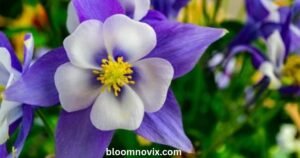
Purple and blue columbines feel calm and noble. They link to wisdom, spirituality, and loyalty. Many people see them as the classic columbine colors. The blue and white Rocky Mountain bloom is the best-known example.
Victorian flower readers gave purple columbine a bold meaning. It stood for “resolved to win.” A giver could send it to say, “I will not give up on us.” That message still works for goals and love alike.
Blue brings a softer mood. It suggests trust, peace, and inner stillness. Choose it for sympathy, quiet support, or faith-based gifts. It also fits anyone who values calm strength.
Red and Pink Columbine Meaning
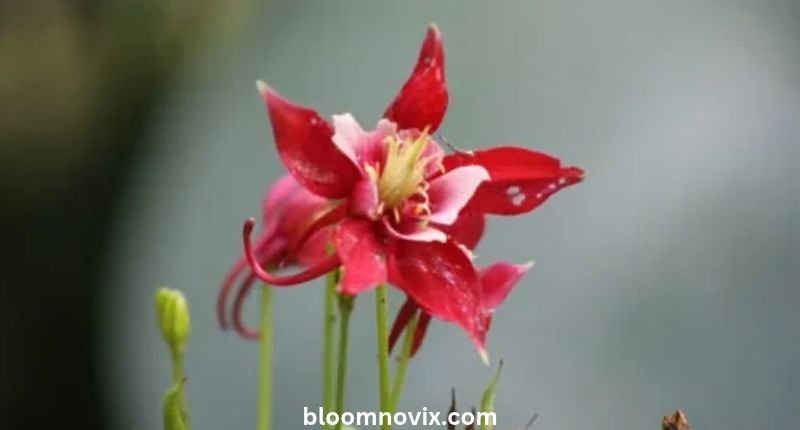
Red columbine burns with passion and courage. Native red species, like the eastern red columbine, draw hummingbirds all spring. That wild energy matches the color’s bold spirit. Victorian readers, however, linked red columbine to feeling “anxious and trembling.”
That odd Victorian meaning has real charm. It shows love as nervous excitement, not smooth confidence. A red columbine can say, “You make my heart race.” Use it when you feel brave but a little shaky.
Pink softens the fire. It stands for tender care and early affection. Choose it for a new romance or a gentle thank-you. It works for friends and family as well.
White and Yellow Columbine Meaning
White columbine stands for innocence, purity, and peace. It echoes the dove most clearly. Christian art often ties white blooms to the Holy Spirit. It also suits new beginnings and honest fresh starts.
Yellow brings warmth and optimism. It speaks of joy, friendship, and energy. The golden columbine of the Southwest shows this well. Many Colorado fans also link yellow stamens to the state’s gold-mining past.
Bicolor blooms mix both ideas. A white and blue flower says, “peace with strength.” A red and yellow flower says, “courage with joy.” Look at both colors before you decide a flower’s message.
| Color | Main Meaning | Pairs Well With | Best Moment to Use |
| Purple | Wisdom, determination | Lavender, white sweet peas | Graduations, big goals |
| Blue | Calm, spiritual insight | White ranunculus, eucalyptus | Sympathy, quiet support |
| Red | Passion, courage, nerves | Garden roses, greenery | Bold declarations |
| Pink | Tender affection | Peonies, baby’s breath | New romance, thank-yous |
| White | Purity, peace | Blue forget-me-nots | Weddings, christenings |
| Yellow | Joy, friendship | Daisies, ferns | Birthdays, cheer-ups |
Columbine Flower Meaning in Love and Romance
If roses shout, columbine whispers. Its romantic meaning lives in the feelings people keep close. It suits love that grows quietly before it speaks. That makes it a deep choice, not a lesser one.
Secret Love and Hidden Affection
In the language of flowers, columbine helped people share what they could not say. Victorian life had strict rules about open affection. Flowers carried the message instead. A single bloom could mean, “I feel more than I can say.”
This fits many modern moments too. Maybe you admire a coworker from afar. Maybe a close friend now feels like something more. Columbine lets you hint at your heart without pressure.
The flower also shows care and restraint. It says your feelings are real enough to handle gently. That kind of respect stands out. It tells the other person they can answer at their own pace.
The Symbolism of Devoted Yet Foolish Love
Renaissance writers thought a fool’s cap of the jester was depicted in the spurs of the columbine. Since it looked like the drooping of the jester’s cap, the flower, in time, became associated with the idea of love in a state of blindness to reason, which could cause harm. It celebrated the one who gives oneself without counting the costs.
Not everyone viewed it with kindness either, for a few had associated the horn-like spurs with treachery or disloyalty. In the play Hamlet, Ophelia gives away flowers, one of which is columbine. Many people consider it an indication of betrayal , but it is up to scholars to interpret who it is going to be.
Acting brings an added twist to this. In the Italian commedia dell ‘ arte, Columbina, the stage character is the quick-witted, faithful servant who is infatuated with Harlequin. Even when the other males are behaving foolishly, Columbina remains composed, and her intelligence is unquestionable. Thus, the foolishness or the blindness of the flower also hides the truth in the form of wisdom.
Read Also: Watercolor Flower Meaning
Gentle Romance and Emotional Depth
Columbine suits slow, patient love. Its soft bells and light movement suggest calm over drama. It does not demand attention. It rewards those who look closely.
Many strong couples start as friends. They build trust through long talks and shared routines. Emotional depth grows with each season. Columbine honors that kind of path.
In a wedding, it works as a supporting flower. Pair it with garden roses for warmth and eucalyptus for lasting strength. Use fresh stems close to the big day because they wilt fast. Or choose dried and pressed blooms for keepsakes.
Columbine Colors and Their Romantic Meanings
Color turns a general love note into a clear one. Pair purple with pink to say, “I am serious, and I am tender.” Mix white with a few red blooms for pure love with a spark. Add blue when you want to stress loyalty.
| Combination | Romantic Message | Good For |
| Purple + pink | Serious and tender | Anniversaries, committed love |
| White + red | Pure love with a spark | Weddings, engagements |
| Blue + white | Calm, faithful devotion | Long-term partners |
| Red + yellow | Brave, joyful passion | Playful new romance |
| Pink + white | Gentle, honest beginnings | First dates |
Avoid yellow alone for romance. It leans toward friendship and joy. That is lovely for close pals. It may confuse a crush.
Add a short card with any bouquet. One sentence explains the meaning and makes the gift personal. People remember that note long after the petals fall. It also saves you from any Victorian mix-ups.
Columbine Symbolism in Family and Relationships
Love inside a family rarely needs fireworks. It shows up in small, steady acts. Columbine’s quiet strength fits that reality well. These meanings suit parents, siblings, grandparents, and chosen family.
Unspoken Care and Silent Devotion
Some people say “I love you” through actions. They cook, drive, fix, and show up. Columbine speaks for them. Its modest look hides a complex, layered bloom.
The nickname granny’s bonnet ties the flower to grandmothers and their quiet love. Think of a grandmother who packs your lunch and never mentions it. Columbine honors that devotion. It needs no big speech.
This meaning travels well across cultures. In families that avoid emotional talk, a flower can bridge the gap. The receiver does not have to answer with words. They only need to feel seen.
| Occasion | Why Columbine Fits | Suggested Form |
| Mother’s or Father’s Day | Honors practical, steady love | Potted plant with a note |
| Reconciliation | Says “I never stopped caring” | Seed packet and a letter |
| Long anniversary | Celebrates calm devotion | Purple and white bouquet |
| Sibling thank-you | Recognizes loyal presence | Pressed-flower card |
| New parent gift | Honors patient, growing love | Pink columbine plant |
Strength in Softness: The Family Resilience Symbol
Growth in tough environments is a key characteristic of plants like the Columbine; though graceful and elegantly looking, the plant is resilient and able to face conditions that are difficult for other plants. It’s only in very harsh environments, like on the rocky sides of cliffs or with scarce soil nutrients and constant cold winds , that one can see these plants in their natural habitat. That’s why gardeners refer to such plants as being hardy!
I believe that family units can also be inspired by the example of the Columbine plant. No family is immune to the tough times of life. Health problems, debt, stress, a family moving out, or grieving a loved one can all lead to significant wear and tear on a relationship. Columbine does not assure us of peace and happiness at all times. Still, it teaches us the valuable lesson that tenderness and strength go hand in hand with each other .
Hand a Columbine plant as a token of appreciation to a family that has been able to preserve its love and unity amid struggles. If possible, get a Columbine plant in a pot ; as a gift, it will definitely endure. Columbines are long-lasting plants as they will bloom each year. If you share planting the flowers together with the family, it will serve as a symbol of every period of difficulty that you have conquered together.
Faith and Trust as Relationship Foundations
The dove shape links columbine to faith, peace, and trust. In Christian art, the flower often stands for the Holy Spirit. Some writers tie the dove image to the gifts of the Spirit, such as wisdom and counsel. Those gifts also describe the best parts of any close bond.
Faith does not need a religious label to matter. Every close bond rests on trust that goes beyond proof. Partners, parents, and friends all take small leaps of belief. Columbine honors those leaps.
Columbine seedlings often take two years to bloom. Trust grows on a similar timeline. You plant, wait, tend, and trust. Then one spring, the flowers appear.
Columbine Meaning for Personal Growth and Transformation
Columbine speaks to people who grow in quiet ways. It fits the thoughtful introvert, the careful planner, and the late bloomer. Its personal growth meanings feel honest, not flashy. They match real life, with all its slow steps.
Inner Strength That Doesn’t Need to Shout
True strength rarely makes noise. Columbine proves that point every spring. Its delicate bells hang above a tough, deep taproot. The root does the hard work out of sight.
Many people carry strength the same way. They stay calm under pressure. They listen before they speak. They keep promises without fanfare.
If that sounds like you, the flower is your match. Keep one on your desk or in your garden. Let it remind you that calm is a form of power. You do not need to shout to be strong.
Embracing Your Unique Identity
The genus includes roughly 70 species. Each one adapted to its own home. Some grow in alpine scree, others in woodlands. Their colors, spur lengths, and shapes all differ.
That variety makes columbine a symbol of individuality. Differences are not flaws. They show how well a life fits its own ground. The flower honors people who choose unusual paths.
This meaning fits big identity moments. Think of a career change, a move, or a bold new chapter. It also suits anyone who feels they do not match the expected mold. Your shape may simply match your own landscape.
Aspiration and Reaching Higher
The eagle link gives columbine a spirit of reaching higher. Tall, slender stems lift the blooms above the leaves. Hummingbirds and hawkmoths hover around them for nectar. The whole scene feels like looking up.
This is gentle aspiration, not hustle culture. It means holding a vision and growing toward it, one season at a time. Use that idea for goals that take years. Writers, students, and founders all know such goals.
Try hanging a columbine print above your workspace. Or plant seeds on the day you start a big project. The plant will grow as you do. Each bloom marks a step closer to your goal.
Endurance Through Life’s Challenges
Columbine is a perennial. It dies back in winter and returns in spring. The roots stay alive underground. That simple cycle teaches perseverance.
The plant does not hide the winter. The cold and loss are real. Yet they do not end the story. New growth follows, from the same root.
That balance makes columbine a thoughtful memorial flower. It respects grief without giving up on hope and renewal. Use it for anniversaries of loss or after a hard health journey. It says, “You are still growing.”
Plant a columbine on the anniversary of someone’s passing, if the date feels right. Each spring bloom then becomes a small, living tribute. Share seeds with family so the memory spreads. Keep the plant where you can sit nearby and reflect.
| Growth Theme | Columbine Lesson | Journal Prompt |
| Quiet strength | Deep roots, delicate bloom | What strength do I carry quietly? |
| Individuality | One genus, many forms | Where do I fit my own landscape? |
| Aspiration | Stems reach for light | What goal needs patient growth? |
| Endurance | Returns after winter | What season am I moving through? |
Spiritual and Religious Columbine Symbolism
Columbine’s spiritual story spans churches, village gardens, and modern practice. Different traditions use it in different ways. This section separates documented history from later belief. That keeps the columbine flower spiritual meaning honest and useful.
Christian Iconography and the Holy Spirit
The Christian connection starts from the name: Columba is a Latin word meaning ‘dove’. The dove is a symbol of the Holy Spirit. The flower reminded the painters of this bird , and they began to include a symbolic dove in their paintings. From the late Middle Ages, the flower was associated with religious images.
For example, in the painting of the Portinari Altarpiece by Hugo van der Goes, made around 1475, a vase with columbines is placed near the baby Christ. Many art historians consider them not only a spiritual sign but also an image of grief. Moreover, there are paintings where the flower appears near the Virgin Mary , which is a traditional way of presenting her sadness (for example, as a widow).
There are no mentions of a ‘columbine’ in the Bible. The idea that it is the dove flower must have come from tradition and through the interpretation of the dove image in art, but the Bible has only the dove as that symbol. However, many believers perceive the link between a dove and this flower as very natural and intuitive. Therefore, the flower seems to them rather as a gentle sign of peace and guidance.
Protection Against Negativity and Evil
European folk traditions saw columbine as a helpful plant. Some villagers grew it near doors and gardens for luck and protection. Folk belief often gives unusual plants a guardian role. Columbine’s odd shape and dove link made it a strong candidate.
People also carried columbine seeds as courage charms. The idea matches the lion’s herb story. A lion that eats columbine finds bravery, so a person who holds it might too. Treat this as folklore, not medicine, because the seeds are toxic if eaten.
Modern pagan and Wiccan paths still use columbine in courage and clarity work. These are living practices and deserve respect. They differ from old European folk beliefs, but they draw on the same symbols. Use any ritual in a safe way, with no eating or drinking of the plant.
Connection to Nature Spirits and Fairies
British and Irish fairy lore links many wildflowers to the Otherworld. Columbine fits that world well. Its bells look like tiny hats and cups for little folk. Its strange shape feels slightly magical.
Gardeners once placed such flowers at the edge of a garden. Edges mark the meeting point between tame and wild. In folklore, these in-between places let magic slip through. Columbine thrives in the dappled shade of such spaces.
In many regions the plant blooms around Beltane, the old spring festival. That timing deepens its tie to nature spirits and seasonal change. You can plant it in a quiet corner as a gentle nod to the tradition. Even skeptics will enjoy the charm.
| Tradition | Columbine Symbol | Main Meaning |
| Christian art | Dove | Holy Spirit, peace |
| European folk practice | Doorway plant | Protection, luck |
| Fairy lore | Bell-shaped cup | Nature spirits, boundaries |
| Modern pagan practice | Courage herb | Courage, clarity |
| Victorian flower code | Nodding bloom | Folly, secret love |
Columbine Symbolism on Dates and New Connections
A first-date flower should say something real without saying too much. Roses can feel loud on early dates. Generic bouquets can feel flat. Columbine sits in the sweet spot between the two.
The Language of Subtle Attraction
Columbine sends a light signal of interest. It says, “I noticed you.” It does not claim more than you feel. That honesty builds trust early.
It suits a person who values thought over show. Maybe they read widely or notice small details. A specific flower shows you paid attention. It proves you care about their taste.
Good settings help the message land. Visit a botanical garden and chat about the bloom. Hike a trail where wild columbines grow in late spring. Or give one stem at a bookshop. Each setting turns the flower into a shared story.
Mystery, Curiosity, and Getting to Know You
The columbine’s layered bloom rewards a close look. Its spurs, petals, and stamens change with the angle. That makes it a fine symbol for getting to know someone. Great people also reveal more with time.
Giving columbine says, “I want to learn more about you.” It invites questions. It shows you enjoy depth over quick judgment. That attitude helps a new connection grow.
You can tune the message with simple pairings. Add white sweet peas for honest, delicate feelings. Add deep violet scabiosa for growing depth. Add garden roses once the bond turns warm.
Slow-Burn Romance vs. Instant Passion
Roses signal instant passion. Columbine signals a slow burn. Neither is better. They simply say different things.
Slow-burn love grows from curiosity and shared time. It suits long-distance bonds built on letters and calls. It suits friends who become partners. Columbine tells that story well.
Skip columbine if you want to show fierce desire or urgency. Choose red roses or dark dahlias then. Skip it too when the relationship feels too casual for its depth. Send it only when the feeling is real.
| Flower | Core Message | Speed of Love | Choose When |
| Columbine | Quiet depth, curiosity | Slow burn | You value thought over drama |
| Red rose | Passion, open declaration | Fast | You want a bold, clear statement |
| Lily | Purity, devotion | Steady | Moments feel formal or solemn |
| Forget-me-not | Faithful memory | Long-term | Distance or remembrance matters |
| Lotus | Awakening, renewal | Reflective | You want a spiritual gift |
Cultural and Historical Meanings of Columbine
Columbine’s story changes from one era to the next. Each culture saw something different in the same bloom. Some meanings clash, and that is fine. History shows that a flower can hold many truths.
Victorian Flower Language and Contradictions
Victorians loved cottage gardens, and European columbine grew in many of them. They also loved flower codes. Dozens of flower dictionaries circulated, and they often disagreed. Columbine appears with mixed meanings across them.
Many lists gave it folly, a nod to the jester’s cap. Others added desertion or faithless love. Purple columbine got the bolder “resolved to win.” Red columbine got “anxious and trembling.”
No single book ruled flower language. Each author followed their own sources and tastes. So you can read these meanings as history, not law. Today you can choose the positive ones with a clear conscience.
| Victorian Source | Reading |
| Common listings | Folly |
| Some lists | Desertion, faithless love |
| Purple columbine | Resolved to win |
| Red columbine | Anxious and trembling |
| Modern reading | Secret love, quiet courage |
Colorado State Flower: Resilience and Beauty
Colorado schoolchildren voted for the Rocky Mountain columbine in 1891. It beat the cactus and many other flowers. The legislature made it official on April 4, 1899. A women’s club in Cripple Creek pushed that final step.
People often read the colors as a map of the state. Blue stands for the sky, white for snow, and yellow for gold. Edwin James first recorded the plant on Pikes Peak in 1820. The song “Where the Columbines Grow” became the state song in 1915.
Colorado also protects the flower. A 1925 law bans uprooting it on public land and caps picking at 25 stems, buds, or blossoms a day. Private land requires the owner’s permission. National parks ban picking all wildflowers. Admire wild plants, take photos, and buy garden-grown stock for your own yard.
| Colorado Columbine Fact | Detail |
| Scientific name | Aquilegia coerulea |
| Schoolchildren’s vote | 1891 |
| Official adoption | April 4, 1899 |
| Protective law | 1925 |
| First recorded | 1820, Pikes Peak, by Edwin James |
| Color symbolism | Blue sky, white snow, yellow gold |
| State song | “Where the Columbines Grow” (1915) |
Native American Traditional Meanings
Columbines grow wild across North America. About a third of all species are native to the continent. Many Indigenous nations know these plants well. Their uses and meanings differ by nation and region.
Some nations used columbine plants in traditional medicine. Those uses relied on specific knowledge and careful preparation. The seeds and roots can be dangerous. Never copy any traditional remedy at home.
No single “Native American meaning” covers every community. Spiritual and ceremonial meanings belong to the nations who hold them. If you want to learn more, seek nation-specific sources and Indigenous voices. Respect keeps the symbolism honest.
Greek and Roman Mythology Connections
Greek and Roman writers left no famous columbine myth. The flower’s classical ties are real but quiet. Most of them come from later writers and artists. That honesty matters for any account of columbine mythology.
The dove, sacred to Aphrodite and Venus, offers one link. Some later herbalists, including Culpeper, placed columbine under the rule of Venus. That ties it to love, beauty, and tenderness. The eagle, linked to Jupiter, brings in the idea of power.
Put together, the two birds echo love and might. Renaissance painters liked that mix. They used columbine in scenes of love and faith alike. So the classical meaning here is a layered tradition, not a single legend.
Columbine Flower Meaning in Tattoos and Dreams
Columbine’s look makes it popular with artists and dreamers. People ink it on skin and meet it in dreams. These modern uses build on the old meanings. Treat them as a guide for reflection, not as strict rules.
Columbine Tattoo Meaning and Design Ideas
A columbine tattoo often stands for quiet strength, faith, or secret love. Many wearers choose it for freedom and personal growth. Others honor Colorado roots, a grandmother’s garden, or a loved one who has passed. The flower’s two-bird story adds a deeper layer for those who know it.
Pair the bloom with a dove for peace and faith. Pair it with an eagle feather for courage and vision. Add a hummingbird to show joy and lightness. Each pairing shapes the story your tattoo tells.
| Design | Symbolism | Style Tip |
| Columbine + dove | Peace, faith | Fine-line |
| Columbine + eagle feather | Courage, vision | Blackwork |
| Purple columbine | Wisdom, resolve | Watercolor |
| Red columbine + hummingbird | Passion, joy | Neo-traditional |
| White columbine | Purity, new start | Single needle |
| Columbine with birth flowers | Family bond | Botanical illustration |
Style matters too. Fine-line designs capture the delicate spurs. Watercolor styles bring out the blue and purple glow. Blackwork and botanical illustration give the flower a bold, timeless look. Talk with your artist about spur shape and bloom angle, since those details make the design recognizable.
What Seeing Columbine in a Dream Means
Dream readers treat flowers as gentle messages. A columbine in a dream often points to hidden feelings, quiet hope, or spiritual guidance. Its bell shape can suggest that something in your life wants to be heard. The details of the dream shape its meaning.
A blooming columbine can signal new love or fresh purpose. A wilted one may suggest tired feelings or a need for rest. Picking a columbine can hint at a wish to act on a secret desire. A field of them may point to peace and belonging.
| Dream Scene | Common Reading | Question to Ask Yourself |
| Blooming columbine | New hope or love | What is starting in my life? |
| Wilted columbine | Need for rest or repair | Where am I running low? |
| Giving columbine | Sharing a hidden feeling | What do I want to say? |
| Receiving columbine | Gentle care from others | Who is reaching out? |
| Field of columbine | Peace, belonging | Where do I feel at home? |
| Purple columbine | Wisdom, guidance | What do I already know? |
Remember that dream meanings are personal. Science does not confirm any single reading. Use these ideas as prompts for journaling. Ask what the flower made you feel, and let that guide you.
Placement and Style Ideas for Columbine Tattoos
Small tattoos fit comfortably in places like the wrist, ankle, collarbone, behind the ear, or any area of skin that reveals little. Their secrecy is appealing, especially since the flower’s hidden message is love. On the other hand, larger tattoos of these flowers placed on the forearm, calves, or shoulder blades look impressive. The upright pose of the flowers with a bending head highlights them well when painted vertically.
Also, the level of revelation of the symbolic meaning through your tattoo should be considered . A hidden design maintains secrecy about a secret and only reveals your personal side when you choose to do so. On the contrary, a tattoo on the arm, chest , or legs shows your personality publicly as people will be able to relate to it through their own questions that might follow, sharing their experiences. Either decision will reflect a column flower’s way of telling its flower story.
Moreover, when planning the colors, consider that white and light blue may fade rapidly when exposed to sunlight. Several tattoo artists will probably recommend applying sunscreen after your tattoo and periodic touch-ups. Don’t forget to tell the tattoo designer your idea; this will enable them to select features of the design to fit your story.
Practical Ways to Use Columbine Symbolism
Meaning matters most when it guides real choices. Columbine offers many ways to bring symbolism into daily life. These ideas work for gifts, rituals, and gardens. They also come with care for people and nature.
Incorporating Columbine Into Meaningful Gifts
Fresh columbine wilts quickly in a vase. So think beyond a classic bouquet. A potted garden columbine lasts for seasons and returns each spring. A seed packet turns the gift into a project you can share.
Pressed flowers also work well. Dry a bloom face-down and frame it in glass. Add it to a memory box with letters or photos. Dried blooms keep the perennial’s message of lasting love.
For weddings, use fresh stems close to the event and keep the arrangement cool. Blend columbine with garden roses, eucalyptus, or white ranunculus. A small card can explain the symbolism to guests. That touch makes the flowers part of the story.
| Occasion | Gift Idea | Message |
| New romance | Pink columbine plant | Tender feelings |
| Anniversary | Purple and white seed packet | Loyalty and peace |
| Wedding | Columbine in a mixed bouquet | Quiet, lasting depth |
| Housewarming | Potted native columbine | Welcome and protection |
| Graduation | Blue columbine art print | Wisdom and big dreams |
| Memorial | Pressed columbine in a frame | Hope that returns |
| Cheer-up | Yellow columbine in a pot | Joy and renewal |
A gifted plant needs a little care to keep its meaning alive. Columbine likes partial shade and well-drained soil. Add a short care card with the gift. That small note helps the symbol thrive.
| Need | Best Practice |
| Light | Partial shade or dappled sun |
| Soil | Well-drained and lightly moist |
| Water | Regular water in spring, less in summer heat |
| Upkeep | Deadhead spent blooms, trim foliage after flowering |
| Pests | Leaf miners leave squiggly trails and rarely kill the plant |
| Spread | Self-seeds gently each year |
Columbine in Personal Rituals and Practices
Columbine suits quiet rituals. Keep them simple and sincere. Small acts build focus and calm. Here are five easy ideas:
- Plant on a fresh-start day: pick a birthday, a move, or a new job.
- Press a bloom in your journal: do it while you set a goal.
- Use it as a meditation focus: study the spurs and breathe slowly.
- Write with a prompt: ask, “What strength do I carry quietly?”
- Mark a spring ritual: name one thing you want to release each bloom season.
Place the plant near a doorway if you like the old protection tradition. Surround it with lavender for calm or rosemary for remembrance. The garden then becomes a living reminder of your values. You will see it every day.
Photography can become a ritual as well. Macro shots reveal the spurs, stamens, and soft petal edges. The act of looking closely mirrors the flower’s meaning. Over a season, your photos can tell a story of growth.
Respecting the Symbolism: Ethical Considerations
Using symbolism comes with responsibility. Wild columbine feeds hummingbirds, bees, and moths. Over-collecting once pushed Colorado’s state flower toward trouble, which is why the state passed protective laws. Buy plants and seeds from native nurseries instead of digging in the wild.
Safety comes next. The seeds and roots contain toxic compounds. Keep the plant away from curious kids and pets. Wash your hands after handling it, and never eat any part.
Sensitivity matters too. Honor the cultures whose meanings you share. The name “Columbine” also carries painful memories for many people tied to the 1999 school tragedy in Colorado. Think before gifting it to someone in that community. These habits keep the symbol kind:
- Buy from native or reputable nurseries.
- Leave wild plants in place for pollinators.
- Credit the faiths and nations behind each meaning.
- Keep seeds and roots away from kids and pets.
FAQs
Is columbine positive or negative in symbolism?
Mostly positive. The columbine flower meaning centers on courage, faith, and quiet love, though Victorian writers also linked it to folly and lost love.
What does giving columbine say about you?
It says you are thoughtful and value depth. You choose gestures with meaning over loud, generic ones.
How does columbine compare to other symbolic flowers?
It feels softer than a rose and more mysterious than a lily or daisy. Few flowers blend gentle faith with bold courage so well.
Can columbine be used in weddings and celebrations?
Yes, especially in garden and woodland weddings. Use fresh stems close to the event, since the blooms wilt fast, or add dried and pressed blooms for keepsakes.
What colors of columbine have special meanings?
Yes, each color carries a message. Purple means wisdom, blue means calm, red means passion, pink means tenderness, white means purity, and yellow means joy.
Are there any negative superstitions about columbine?
Yes, a few. Old writers linked it to folly and betrayal because the spurs resembled horns, and Ophelia’s scene in Hamlet strengthened that image.
Is the columbine flower poisonous to humans and pets?
Yes, it is toxic if eaten. The seeds and roots carry the strongest toxins, so keep the plant away from curious kids and pets, and call a doctor or vet if anyone eats it.
What does a columbine tattoo symbolize?
It usually symbolizes strength, faith, freedom, and hidden love. The exact meaning depends on color, design, and your personal story.
Conclusion
The columbine flower meaning blends courage, faith, love, and growth into one graceful bloom. It can whisper a secret, honor a family, or mark a fresh start. Its colors add extra depth, from royal purple to joyful yellow. Few flowers carry so many stories in such a small shape.
Now you can choose a columbine with real purpose. Plant it in your garden, ink it on your skin, or gift it with a thoughtful note. Respect its wild roots and its cultural stories as you do. Let this quiet flower remind you that gentle things can be very strong.

BloomNovix is managed by an experienced team of content writers and SEO specialists with 4+ years of expertise in gardening and plant care. We provide well-researched guides, gardening tips, and insights on floral meanings to help plant lovers grow their indoor and outdoor gardens with confidence.