When you lose someone you love, words can feel too small to express what you are feeling. You may walk into a flower shop and notice a delicate orchid that simply feels right. Orchid symbolism death carries a deeper meaning of remembrance, respect, love, and peace during times of loss.
Orchids have been connected with beauty, love, and admiration across different cultures for centuries. Today, they are also used in funerals, memorials, and sympathy arrangements to honor someone who has passed away. Their quiet beauty can express emotions that are sometimes difficult to put into words. In this guide, we’ll explore what orchids mean in death symbolism, why certain colors are chosen, and how their meaning has changed over time.
Quick Answer
Orchid symbolism death represents remembrance, peace, and honoring someone after loss. Orchids also symbolize love, beauty, and spiritual renewal. Their meaning changes with color, culture, and occasion. This flower carries more emotion than sadness alone.
TL;DR
- Orchid symbolism death means remembrance and respect, not only grief.
- White orchids represent peace and sympathy.
- Ancient cultures linked orchids with love and strength.
- Americans use orchids in funeral arrangements and memorials.
- Orchid tattoos express healing after loss.
- The flower reflects change, not sadness alone.
You lose someone you love, and words suddenly feel too small. You walk into a flower shop, and your eyes land on an orchid. Something about its quiet elegance feels right for this moment. You wonder what it actually means to send this flower, and whether it fits the person you are honoring. Orchid symbolism death carries centuries of meaning behind that single bloom.
This flower speaks a language older than most funeral customs you know today. It tells a story of love that continues, peace that settles in, and beauty that never fully fades. Stay with this guide, and you will understand every layer behind this remarkable flower.
Orchids Symbolism: A Quick Overview Beyond Death
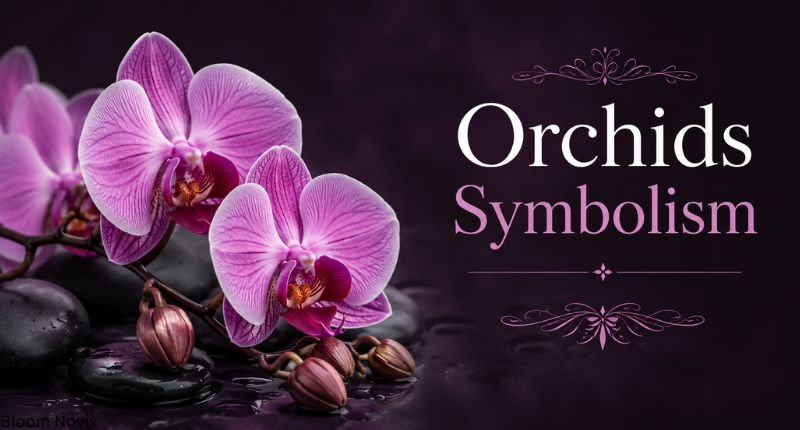
Orchids mean far more than mourning. This flower carries strength, luxury, and admiration across different moments in life.
People give orchids at weddings, graduations, and anniversaries. The flower fits happy occasions just as well as somber ones. Orchid symbolism shifts based on:
- The color you choose
- The occasion you attend
- The relationship you share with the recipient
- The culture you come from
A single orchid stem can mean elegance at a wedding and dignity at a funeral. Context shapes everything. You should never assume one fixed meaning applies everywhere.
What Orchids Represent in Death Symbolism
Orchid death symbolism centers on respect, admiration, and lasting memory. This flower rarely stands for sadness alone.
You send an orchid to say something deeper than “I am sorry for your loss.” You send it to say the person mattered, and their memory still matters now. The flower’s delicate structure mirrors the fragility of life itself. It blooms slowly, needs careful attention, and rewards patience with lasting beauty.
Orchids at a memorial often express:
- Love that survives death
- Deep respect for the person who passed
- Calm during painful days
- Gratitude for a life well lived
- Hope for healing ahead
Unlike flowers chosen purely for grief, the orchid balances sorrow with appreciation. You honor pain and celebrate a life in the same gesture.
Why White Orchids Are Associated With Mourning
White carries the strongest link to peace and purity across most cultures. This makes white orchid symbolism death a natural fit for funerals.
White speaks without needing words. It suggests a clean slate, quiet dignity, and spiritual calm during a chaotic time. Families often choose white orchids over brighter colors because the shade feels respectful rather than celebratory.
White orchids create a gentle, composed mood in any room. They avoid the loud energy of red roses or yellow sunflowers, which suit different occasions entirely.
White Orchid Symbolism Death: What It Truly Means
A white orchid at a funeral means peace, sympathy, and unwavering respect for the deceased. This single flower can replace an entire paragraph of spoken condolences.
White orchid funeral meaning goes beyond simple color psychology. Funeral directors across the United States report white orchids as one of the top three requested flowers for memorial services. Families choose this bloom because it photographs beautifully, lasts longer than lilies, and holds its shape through long services.
You can pair white orchids with:
- Baby’s breath for softness
- Eucalyptus leaves for a natural, grounded feel
- Simple white ribbon for a minimalist tribute
This combination creates an arrangement that feels calm rather than overwhelming.
Purple Orchid Meaning: Beyond Sympathy and Respect
Purple orchid meaning centers on admiration, dignity, and deep respect for someone special. Royal families across history favored purple because the dye was rare and expensive to produce.
You send a purple orchid when you want to honor someone’s achievements alongside their memory. This color works beautifully for honoring mentors, community leaders, or anyone whose influence reached far beyond their immediate family.
Purple also connects to spiritual growth in many traditions. The shade sits between the calm of blue and the passion of red, creating a balanced message of reverence.
Yellow Orchid Symbolism Death: A Rare and Complex Message
Yellow rarely appears at traditional funerals, yet its meaning fits certain memorial moments perfectly. Yellow orchid symbolism death focuses on friendship, warmth, and cherished memories rather than sorrow.
You choose a yellow orchid when celebrating someone’s joyful spirit instead of mourning their absence. This color suits a celebration of life far better than a somber church service.
Families sometimes select yellow orchids for:
- A grandparent known for their humor
- A friend who loved bright, sunny gardens
- A memorial that focuses on gratitude over grief
This choice signals that you remember the person’s warmth, not just their passing.
Orchid Colors and Their Different Meanings
Color changes everything about an orchid’s message. The table below breaks down what each shade communicates during loss and remembrance.
| Orchid Color | Symbolic Meaning | Best Used For |
| White | Peace, purity, sympathy | Funerals, formal memorials |
| Purple | Admiration, dignity, respect | Honoring leaders and mentors |
| Pink | Love, compassion, gentleness | Close family, personal tributes |
| Yellow | Friendship, warmth, joy | Celebrations of life |
| Green | Renewal, health, harmony | Memorial gardens, living tributes |
You should always match the color to the tone of the occasion. A joyful celebration calls for warmer shades, while a formal service favors white or purple.
Ancient Roots and Early Meanings of Orchids
Orchid symbolism started long before modern funerals existed. Ancient civilizations connected this flower to strength, fertility, and honor.
The ancient Greeks linked orchids to masculinity because of the shape found in the plant’s root structure. Theophrastus, a Greek botanist and student of Aristotle, documented orchids in his early writings on plant life. His observations shaped how future generations viewed this flower.
Chinese philosophy took a different path entirely. Confucius compared the orchid’s quiet fragrance to noble character and moral integrity. He believed a person surrounded by orchids naturally absorbed virtue, much like a person surrounded by good friends.
These early meanings built the foundation for everything orchids represent today, including their modern role in funeral traditions.
How Orchid Symbolism Changed From Beauty to Remembrance
Orchid symbolism evolved slowly from pure admiration into something deeply emotional. Victorian England played a massive role in this shift.
During the Victorian era, people communicated feelings through flowers instead of words. Society considered open emotional expression improper, so flowers became silent messengers. Orchids represented luxury, refined taste, and deep affection during this period.
Funeral customs eventually borrowed this language. Families started choosing orchids not just for their beauty but for what that beauty represented: something rare, valuable, and worth remembering. This shift transformed the orchid from a decorative flower into a meaningful symbol of loss and love combined.
Orchid Meanings Across Different Cultures
Cultures around the world interpret orchids in strikingly different ways. No single meaning applies everywhere.
In Japan, orchids represent refinement and quiet elegance. Families give orchids as formal gifts during important life transitions, including death. Japanese floral arranging, known as ikebana, often uses orchids to symbolize balance between life and impermanence.
China connects orchids to friendship, humility, and moral strength. The flower appears in classical Chinese poetry as a symbol of a virtuous person who remains humble despite great inner beauty.
Mexican culture ties orchids to remembrance during Día de los Muertos, though marigolds remain the dominant flower for that specific celebration. Orchids still appear in memorial altars as a secondary symbol of respect and lasting love.
India connects orchids to spiritual growth and rebirth, particularly within Hindu traditions that view flowers as offerings during cremation ceremonies. This meaning ties directly into broader beliefs about the soul’s journey after death.
Spiritual and Religious Interpretations of Orchids After Death
Spiritual traditions view orchids as symbols of transformation and the soul’s continued journey. This meaning appears across multiple faiths, though interpretations vary widely.
Christian communities in America often use orchids to represent God’s creation and the beauty of a life well lived. The flower rarely carries specific religious doctrine, but its presence at a Christian funeral signals hope alongside grief.
Buddhist traditions connect orchids to the cycle of rebirth. The flower’s slow blooming process mirrors spiritual patience and the belief that endings lead naturally into new beginnings.
Hindu funeral customs sometimes include orchids among offerings meant to guide the soul toward peace. This practice ties into broader beliefs about spiritual meaning and the continuation of consciousness after physical death.
Islamic funeral traditions generally avoid elaborate floral displays, focusing instead on simplicity and prayer. Orchids appear less frequently in these ceremonies compared to Christian or Buddhist services.
You should always confirm cultural and religious customs before sending flowers to someone from a background different than your own.
Orchid Symbolism in American Funeral Traditions
American funeral culture blends respect for tradition with a strong focus on celebrating individual personality. Orchids fit this balance perfectly.
Families across the United States choose orchids because the flower lasts longer than roses or lilies, often surviving an entire week without wilting. This practical advantage matters during multi-day memorial services.
The table below shows how orchids function within different American funeral settings.
| Setting | Common Meaning | Typical Color Used |
| Traditional funeral service | Respect and sympathy | White |
| Celebration of life | Appreciation and joy | Yellow or pink |
| Sympathy gift to family | Comfort and support | White or purple |
| Memorial garden planting | Lasting remembrance | Green or mixed colors |
You will notice American funeral culture rarely limits itself to one strict rule. Families personalize their choices based on the individual being honored.
The Emotional Meaning Behind Orchids and Loss
Grief rarely follows a straight line, and orchids reflect that same complexity. This flower holds space for sadness, gratitude, and hope all at once.
Psychologists who study grief often note that physical objects help people process loss. A living orchid gives mourners something to care for during a period when they feel powerless. Watering the plant, watching new blooms appear, and tending to its needs creates a small ritual of healing.
Orchids also represent:
- Acceptance that life continues after loss
- A physical connection to someone’s memory
- Personal growth through difficult emotions
- Appreciation for relationships that shaped you
You might find comfort in an orchid’s slow, steady growth. It mirrors your own healing process far better than a flower that fades within days.
Flowers That Symbolize Death and Rebirth: How Orchids Compare
Several flowers carry symbolism tied to death and renewal, and orchids hold a unique position among them. Understanding these differences helps you choose the right flower for your specific message.
Lilies represent purity and the restored innocence of the soul after death. This flower dominates traditional Christian funerals across Western countries. Chrysanthemums symbolize death directly in many European and Asian cultures, making them a common choice for graveside tributes. Marigolds connect to rebirth and the soul’s journey, especially within Mexican and Hindu traditions.
Orchids stand apart because they balance mourning with elegance rather than leaning fully into sorrow. Flowers that symbolize death and rebirth often carry heavier, more somber tones. Orchids soften that weight while still honoring the transition from life to memory.
You choose an orchid when you want dignity without overwhelming sadness. You choose a lily or chrysanthemum when tradition calls for a more formal, direct symbol of mourning.
Flowers That Symbolize Death of a Loved One (and Death and Love Together)
Some flowers speak specifically to the bond between love and loss, and orchids sit firmly within this category. Red roses traditionally represent romantic love, but their meaning shifts toward eternal devotion when placed at a memorial.
Flowers that symbolize death of a loved one often carry personal significance beyond general symbolism. A daughter might choose her mother’s favorite flower regardless of traditional meaning, because personal connection outweighs universal symbolism every time.
Common choices that blend love and loss include:
- Red roses for romantic or eternal love
- Pink carnations for a mother’s unconditional love
- Orchids for elegant, lasting devotion
- Forget-me-nots for promises to remember someone
Orchids fit naturally into this group because their meaning already blends affection with respect. You honor both the relationship and the person’s individual memory in one gesture.
Orchid Tattoos and Personal Expressions of Grief
Tattoos create permanent tributes that flowers simply cannot offer. Orchid tattoo meaning after loss often centers on continuing love rather than lingering sadness.
People choose orchid tattoos to carry a piece of someone’s memory with them daily. Unlike funeral flowers that fade within a week, a tattoo remains visible for life. This permanence appeals to those who want a constant, physical reminder of someone they lost.
You might notice orchid tattoos combined with:
- Dates marking birth or passing
- A loved one’s name in elegant script
- Butterflies representing transformation
- Other meaningful flowers tied to family history
Each addition personalizes the tattoo further, turning a general symbol into a specific tribute.
Orchid Symbolism Death Tattoo: Popular Designs and Their Meanings
Certain orchid tattoo designs carry specific meanings within grief and remembrance culture. Understanding these options helps you choose a design that truly reflects your intention.
A single-stem orchid tattoo often symbolizes one specific person’s memory. This minimalist design works well for a first tattoo or a subtle, private tribute placed on the wrist or ribcage.
A blooming orchid surrounded by vines represents ongoing growth despite loss. People choose this design when they want to show healing alongside remembrance.
A wilting orchid paired with a fresh bud symbolizes the balance between an ending and a new beginning. This design suits someone processing grief while also embracing personal growth.
Watercolor-style orchid tattoos have grown popular for their soft, emotional appearance. The blended colors mirror the complexity of grief itself, rather than presenting one single, simple emotion.
Orchids in Home Decor and Memorial Spaces
A living orchid inside your home creates an ongoing connection to someone’s memory. Unlike cut flowers, potted orchids can bloom for years with proper care.
You create a small memorial space simply by placing an orchid near a photo or a meaningful object. This corner becomes a quiet spot for reflection, especially during anniversaries or holidays that bring grief back to the surface.
Caring for a memorial orchid requires attention to a few key details:
- Indirect sunlight rather than harsh, direct rays
- Watering once every seven to ten days
- Well-draining pots designed specifically for orchids
- Occasional fertilizer during active growing seasons
This small routine gives you a gentle ritual tied directly to someone’s memory. Watching the plant thrive can feel like tending to that relationship, even after loss.
The Role of Orchids in Celebrations of Life
Celebrations of life have grown significantly more popular across America over the past two decades. Families increasingly prefer this format over traditional, somber funerals.
Orchids fit naturally into celebrations of life because they represent appreciation rather than pure grief. You might see orchids arranged alongside photographs, favorite foods, or personal memorabilia that captures who the person truly was.
Common placements at these events include:
- Centerpiece arrangements on guest tables
- Corsages for close family members
- Potted orchids given as guest favors
- Large displays near memory boards or photo walls
This approach shifts the entire mood of remembrance. You focus on gratitude for a life lived fully, rather than dwelling only on the loss itself.
Common Misunderstandings About Orchid Death Symbolism
Many people assume orchids only represent sadness, but this belief oversimplifies a much richer symbol. Orchids carry multiple layers of meaning depending entirely on context.
Some believe giving an orchid outside of a funeral setting feels inappropriate or confusing. This assumption ignores how often orchids appear at weddings, graduations, and housewarming gifts. The flower’s meaning shifts naturally based on the occasion surrounding it.
Others assume every culture interprets orchids identically. As shown earlier, Japan, China, India, and America each attach different values to this flower. Treating orchid symbolism as universal ignores centuries of distinct cultural development.
You should always consider the specific relationship, occasion, and cultural background before assuming one fixed meaning applies.
When Orchid Symbolism Is Misused or Misinterpreted
Symbolism breaks down when people apply meaning without understanding its origin. Orchids suffer from this problem more than most flowers.
Retailers sometimes market orchids purely as “death flowers,” which flattens centuries of complex symbolism into one narrow category. This marketing approach misleads customers who might avoid orchids for happy occasions, unaware of the flower’s much broader history.
Another common mistake involves assuming religious meaning where none exists. Not every culture or faith connects orchids to spirituality. Applying that assumption universally can feel disrespectful to traditions that view the flower differently.
You avoid this misuse by researching the specific person, culture, or occasion before choosing your flower and its intended message.
Modern Uses of Orchid Symbolism in American Culture
Orchid symbolism now extends far beyond funerals and formal ceremonies. Modern American culture has expanded this flower’s presence into everyday life.
You will find orchid designs in memorial jewelry, allowing people to wear a subtle tribute daily. Social media has also transformed how people share grief, with orchid photos frequently appearing in memorial posts and digital tribute pages.
Other modern applications include:
- Orchid-themed sympathy cards
- Memorial garden dedications featuring orchid beds
- Orchid motifs in clothing and accessories
- Corporate sympathy gifts sent to grieving employees
This expansion shows how flexible orchid symbolism has become. The flower adapts to whatever format modern grief and remembrance require.
Why Orchids Continue to Matter in Times of Loss
Orchids endure as a symbol because they capture something words often fail to express. This flower holds space for complicated, layered emotions during life’s hardest moments.
You reach for an orchid because it says more than “I’m sorry.” It says the person mattered, their memory continues, and beauty persists even through grief. Orchid symbolism death ultimately reflects a universal truth about how people process loss and love simultaneously.
This flower will likely continue evolving as new generations find fresh ways to express remembrance. Its quiet strength, combined with genuine emotional depth, ensures orchids remain relevant for both mourning and celebration.
FAQs
Do orchids symbolize death or mourning?
Yes, orchids commonly symbolize mourning and remembrance at funerals. Orchid symbolism death also includes love, admiration, and spiritual renewal beyond sadness alone.
What color orchid is best for a funeral?
White orchids work best for traditional funerals and formal memorial services. This color represents peace, sympathy, and quiet respect.
Are orchids considered spiritual symbols?
Yes, many traditions view orchids as symbols of transformation and spiritual renewal. Buddhist and Hindu customs often connect this flower to the soul’s journey.
What does an orchid tattoo mean after someone dies?
An orchid tattoo typically represents continuing love and personal remembrance. People choose this design to carry a loved one’s memory permanently.
Are orchids appropriate sympathy flowers?
Yes, orchids rank among the most widely accepted sympathy flowers in America. Their lasting bloom and elegant appearance suit formal condolence gifts.
Do orchids always represent sadness?
No, orchids represent beauty, friendship, and celebration just as often as grief. Context and color determine which meaning applies.
Is the orchid the flower of death?
No, orchids are not exclusively tied to death. This flower carries multiple meanings, including love, luxury, and admiration.
Which flowers symbolize death, and how does orchid compare?
Lilies, chrysanthemums, and marigolds carry more direct death symbolism than orchids. Orchids balance mourning with elegance rather than pure sorrow.
What is the difference between orchid and lily symbolism at a funeral?
Lilies represent purity and restored innocence, while orchids represent respect and lasting devotion. Both flowers suit formal funeral settings differently.
How long do funeral orchids last, and can they be replanted?
Orchid blooms typically last one to two months with proper care. Many funeral orchids can absolutely be replanted into a home garden or pot.
Conclusion
Orchid symbolism death represents more than sadness. Orchids can express respect, lasting love, remembrance, and quiet dignity during times of loss. Their meaning can also change with the color, culture, and setting. This is why many families choose orchids for funerals, memorials, and celebrations of life.
White orchids can represent peace and sympathy, while purple orchids may express admiration and respect. Whether used in a floral arrangement, kept as a memorial plant, or chosen as a personal symbol, an orchid can help honor someone’s memory. Its beauty serves as a gentle reminder that love and meaningful memories can remain even after loss.

BloomNovix is managed by an experienced team of content writers and SEO specialists with 4+ years of expertise in gardening and plant care. We provide well-researched guides, gardening tips, and insights on floral meanings to help plant lovers grow their indoor and outdoor gardens with confidence.